Nasdaq futures play a vital role in financial markets by offering traders the ability to speculate on or hedge against the performance of the Nasdaq-100 index. Both institutional and individual traders use these derivative contracts extensively since they are crucial for comprehending market mood, especially in the tech sector. Nasdaq futures are easily accessible financial instruments that offer essential insights into future price movements and international economic trends.
Understanding the basics of Nasdaq futures
First, it’s essential to explore how Nasdaq futures work and what they represent in order to understand why traders find them so valuable.
What are index futures?
Contracts known as index futures allow traders to purchase or sell a financial index at a fixed price on a future date. Trading index futures involves making predictions about the direction of an entire market segment, as opposed to investing in individual stocks. These contacts are effective for traders who wish to gain broad exposure without actually owning the underlying assets because they are standardized and settled in cash. Since they represent collective investor expectations, index futures are often viewed as leading market direction indicators.
Overview of the Nasdaq-100 index
The Nasdaq-100 index features 100 of the biggest non-financial companies on the Nasdaq 100 Stock Market. With companies like Apple, Microsoft, Amazon, and Nvidia — whose market cap recently reached $3.3 trillion following news of its Middle East deal — at the forefront, it is heavily focused on the technology sector.
This market prioritizes growth, innovation, and high market capitalization. As a result, it serves as a benchmark for the health of the tech industry and broader growth-oriented sectors.
Observing the Nasdaq 100 futures overview provides valuable insights into where traders expect the tech-heavy index to move next.
How are Nasdaq futures structured?
Nasdaq futures are standardized contracts that mirror the performance. These include the E-mini Nasdaq-100 and Micro E-mini Nasdaq-100 futures. Both are traded on the Chicago Mercantile Exchange (CME) and are settled in cash. The E-mini contract is widely used due to its liquidity and suitable size for active traders. At the same time, the Micro E-mini offers a smaller-scale alternative for those managing risk with more precision. Each contract has a set expiration cycle and is designed to provide exposure to the Nasdaq-100 without having to trade individual stocks.
Key features of Nasdaq futures
Let’s examine the key features that make Nasdaq futures a versatile and powerful trading instrument.
Contract size and tick value
The E-mini Nasdaq-100 futures contract multiplies $20 per index point. If the Nasdaq-100 is trading at 15,000, the contract’s notional value is $300,000. The smallest possible price movement, known as a tick, is 0.25 index points, equal to $5. For traders who prefer smaller positions or wish to scale into trades incrementally, the Micro E-mini contract is one-tenth the size of the E-mini, with a tick value of $1. This range of contract sizes allows traders with different capital bases to access the same market efficiently.
Trading hours and market access
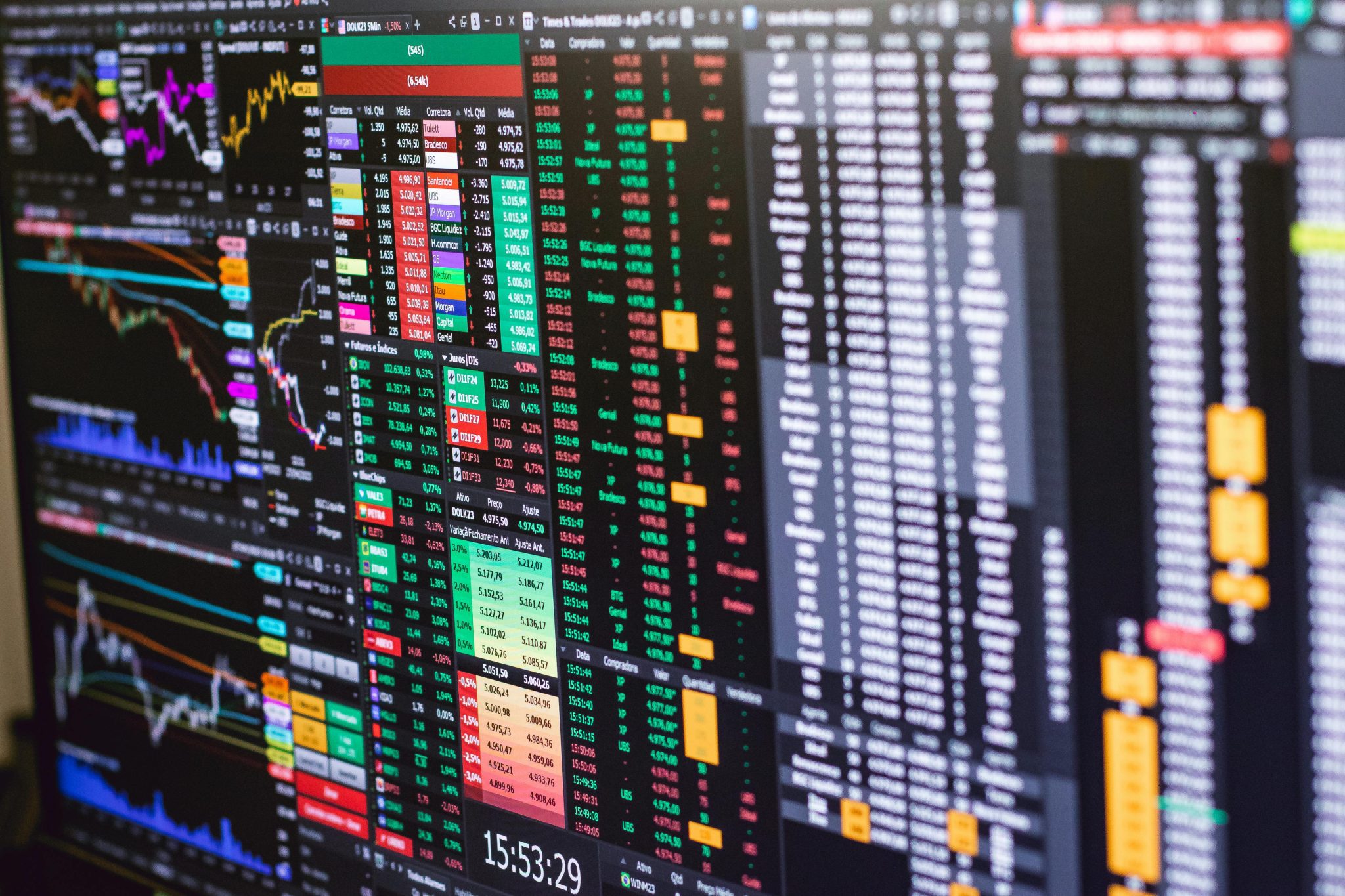
One of the defining advantages of Nasdaq futures today is their extended trading hours. Unlike the regular stock market, which is typically open from 9:30 a.m. to 4:00 p.m. Eastern Time, Nasdaq futures can be traded almost 24 hours a day, five days a week.
This allows traders to respond quickly to news that affects the market globally, even outside the typical trading hours.
Traders benefit from the ability to take action in real time, whether reacting to geopolitical events, earnings reports, or economic data releases.
Margin requirements and leverage
As leveraged financial instruments, Nasdaq futures allow traders to control a significant position with only a fraction of the total contract value. This is made possible through initial margin requirements, representing the minimum amount of capital needed to open a position. E-mini contracts may range from $10,000 to $20,000, depending on volatility and market conditions. Micro E-mini contracts require significantly less capital. While leverage increases potential profit, it also raises the risk of loss, making risk management a critical part of trading futures.
Why do Nasdaq futures matter to traders?
Nasdaq futures matter to traders because they provide a quick and effective way to speculate on or hedge against movements in the tech-focused Nasdaq-100 index. Because they trade nearly 24 hours a day, traders can react to news and events outside regular market hours. Nasdaq futures’ high liquidity and built-in leverage make them ideal for risk management, accessing market trends early, and executing short- or long-term strategies with precision.