• 2020 Ultimate Luxury Holiday Gift Guide
  • Activity
  • Art Basel Special Issue
  • Art Basel Winter Issue – Jeff Koons
  • Art Week 2024 Issue | Deepak Chopra Cover Story
  • Aspen 2024 Power Couple Issue – Amy & Gary Green
  • Capital Corner
  • Checkout
  • Coming Soon
  • Disclaimer – Privacy Policy
  • Fall 2021 Issue
  • Fall Issue 2025 Salvatore Ferragamo Jr.
  • Forgot Password
  • Groups
  • Holiday 2021
  • Home
  • Home 1
  • Impact Wealth Community
  • Impact Wealth Issues – A Luxury Lifestyle Family Office Magazine
  • Impact Wealth Magazine
  • Impact Wealth Subscription – Magazine and Newsletter
  • Impact Wealth Summer Issue 2025 – Stephen Ross
  • Impact Wealth’s Summer 2023 Issue
  • Issue Winter 2021 – Tim Draper
  • Members
  • Messages
  • My account
  • Press
  • Reset Password
  • Resources
  • Shop
  • Signup
  • Special Issue Steelpointe Yacht Show – 2021
  • Spring 2022 – The Trailblazers Issue
  • Spring 2023 Issue
  • Spring 2024 Issue with Jackie Siegel
  • Spring 2025 Issue with Cover Star Wilbur Ross
  • Spring Special 2021 Issue
  • Summer 2021 Issue
  • Summer 2022
  • Summer 2024 Issue with our Cover Star Richard Taite
  • ttest
  • User Profile
  • Wealth with Impact – Podcast
  • Winter 2021 Issue
  • Winter 2023 Issue
  • Winter 2023 Palm Beach Issue – Kimberly Guilfoyle
Sunday, February 22, 2026
  • Login
  • Register
Subscribe
Impact Wealth
No Result
View All Result
  • Lifestyle
    • Health & Wellness
    • Fine Dining & Beverage
    • Fashion
    • Event Coverage
    • The Arts
    • Resources
  • Travel
    • Travel Lifestyle
  • Investing
    • Wealth
    • Retirement
    • Real Estate
    • Philanthropy
    • Family Office Trends
  • Impact Interviews
  • Subscribe Now
  • About Us
    • Press
  • Join Our Community
  • Sign up for Newsletter
  • Lifestyle
    • Health & Wellness
    • Fine Dining & Beverage
    • Fashion
    • Event Coverage
    • The Arts
    • Resources
  • Travel
    • Travel Lifestyle
  • Investing
    • Wealth
    • Retirement
    • Real Estate
    • Philanthropy
    • Family Office Trends
  • Impact Interviews
  • Subscribe Now
  • About Us
    • Press
  • Join Our Community
  • Sign up for Newsletter
No Result
View All Result
Impact Wealth
No Result
View All Result
Home Environment

WHAT ARE MICROPLASTICS? WHY WE NEED TO BE CONCERNED ABOUT THEM AND HOW TO LIMIT EXPOSURE

By Dorian May

by Dorian May
in Environment, Environmental Health, Health & Wellness, Sustainability


You may have heard the word microplastics recently and wondered what it really means to your everyday life. The term is a catch-all phrase for the minuscule plastic particles that come from degraded plastic products found throughout the environment. Plastic was invented in 1907, but it was not produced on a large scale until the 1950s. Over the past century, a huge variety of malleable polymers (chains of large, repeating molecules) has evolved into the umbrella term plastics, which are often derived from petroleum and other fossil fuels.

Plastics are used in most containers and packaging materials; in most of the fabrics that make clothing, bedding, carpeting, and towels; in the construction of buildings and motor vehicles; and in many of the materials used in health care settings to prevent the spread of infection, among many other uses.

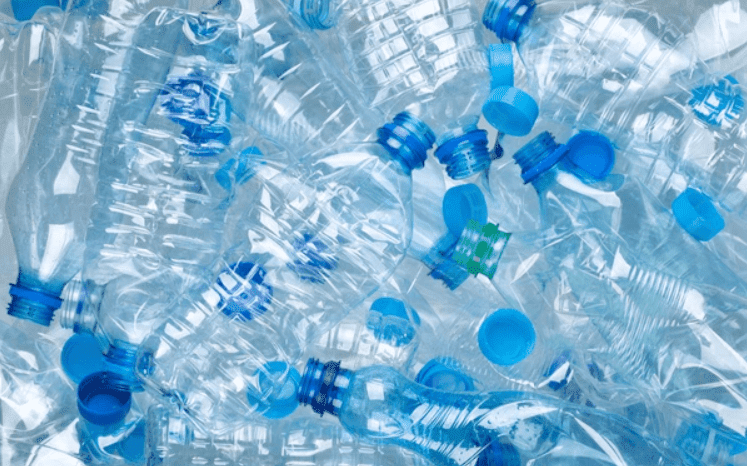
The production of plastics worldwide has doubled in the last two decades, according to Our World in Data. Plastic’s versatility and durability have made it an efficient material for many of life’s modern conveniences, however, plastics can break down and degrade into smaller pieces. Plastic doesn’t decompose in the way food and paper do. Instead, it breaks down into tinier and tinier pieces. When these pieces shrink below five millimeters in size, they become what’s known as microplastic. Microplastics smaller than a micrometer are called nanoplastics.
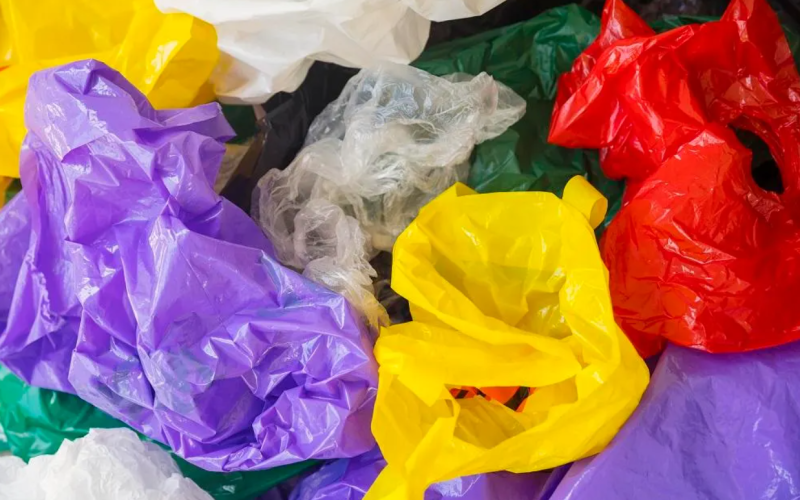
Micro and nanoplastics have been detected in produce, water, packaged foods, air, cosmetics and household dust. They permeate the environment and are in the oceans, wildlife, soil and even the clouds. Researchers are finding microplastics in almost every part of the human body, including the heart, liver, kidneys, testicles, lungs, stomach and even in breast milk.

Depending on the source of the plastic, microplastics can be contaminated with toxic chemicals added during the manufacturing process. When microplastics enter the body, the chemical additives enter the body and can leach out into the system potentially disrupting the gut biome, impairing learning and memory, harming the hormone and reproductive system, causing inflammation and potentially many other negative health conditions. A slew of recent studies are ongoing to try to fully understand the negative impact microplastics have on our health.

While research continues, many leading health experts are advising that we do try to limit our personal toxic load by following steps to eliminate microplastic exposure in our daily routines. We will not be able to avoid exposure completely, but for now, it’s important to understand them and how changes to your daily routine may reduce your exposure – and potential health risks.


  • Filter your water. Due to widespread use and pollution of plastic, water can sometimes contain microplastic particles. Home water filters can be effective at reducing many contaminants, including microplastics
  • Avoid drinking from plastic water bottles. If you have no choice, try to keep them out of the sun in a cool, dry environment. Disposable plastic water bottles degrade very easily in response to temperature change or friction.
  • Avoid plastic kitchen tools such as cutting boards, spatulas and spoons. There are plenty of alternatives to use, like wood, glass and steel.
  • Cook with cast iron or stainless steel. Nonstick cookware is made with PFAS, which can be absorbed into the food.
  • Use the stove fan when cooking. Cooking releases toxic chemicals in your indoor air. Using the stove fan helps to remove them and preserve indoor air quality.
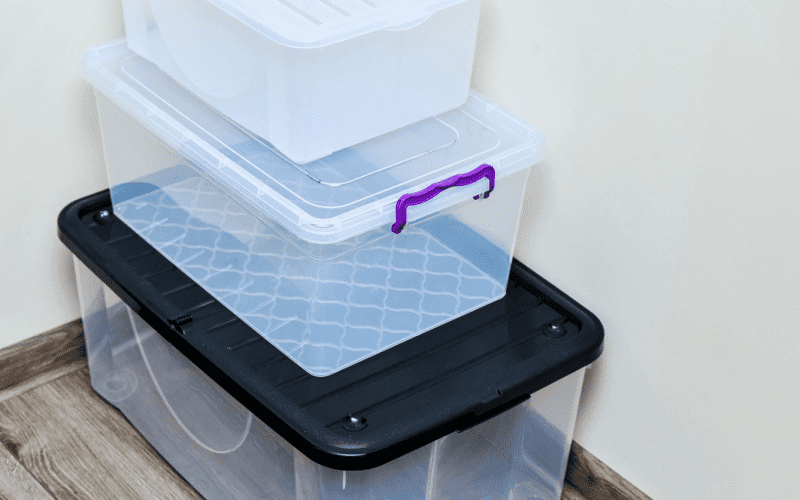
  • Microwave your food in glass containers, rather than plastic or takeaway containers, which can release millions of microplastic particles into your food. Don’t use plastic containers as heat makes plastic release harmful chemicals like BPA, phthalates and vinyl chloride
  • Choose glass, stainless steel or ceramic to store food. Use non-toxic and compostable single-use paper bags, wax and parchment papers for food to avoid leaching from plastic bags and wraps even if foods come wrapped in plastic from the store, swap them at home.
  • Leave your shoes at the door. In addition to taking off your shoes, use a doormat to reduce dust. Shoes can carry toxic chemicals into your home.
  • Dust and vacuum regularly with a HEPA filtered vacuum cleaner. Removing excess dust from your house can help cut down on the amount of microplastic fibers in the dust you could be breathing or otherwise consuming.
  • Avoid dry cleaning your clothes. Dry cleaners use chemicals that can harm fetal and child development. Hand wash or ask your dry cleaner to “wet clean” instead. If you need to dry clean your clothes, air them out afterwards in a well-ventilated area.
  • Avoid scented products. Limit use of air fresheners, candles, oil lamps and wood fires as they release toxins and impact air quality in your home. Don’t burn incense indoors the smoke contains chemicals like formaldehyde and PAHs which are known carcinogens.
  • Don’t buy dishwasher pods. Plastic-covered pods shed microplastics which pollute food and water. Powder detergent works well and reduces the use of plastic packaging.
  • Don’t use dryer sheets, they contain harmful chemicals. Wool dryer balls can be used or save money and use nothing at all.
  • Use non-toxic “clean” personal care products. Many products have ingredients that can harm reproductive health. Avoid products with “fragrance”, “parabens,” and “oxybenzone
  • Clean with non-toxic products. Choose cleaning products labelled ‘fragrance-free’ and organic.

Tags: Clean LivingEco-Conscious ChoicesEco-Friendly Alternativesenvironmental healthhealth and wellnessHousehold TipsMicroplasticsNon-Toxic LivingPlastic PollutionPlastic-Free LivingReducing Plastic ExposureSustainable Lifestylesustainable livingToxic ChemicalsWater Filtration
Previous Post

How to Plan Buying an Automobile in a Budget-Friendly Way in the USA

Next Post

Mastering the Amazon Work Simulation Assessment: Your Guide to Success

Related Posts

Finance

The Future Of Investing: ESG Strategies In Aviation For Family Offices

Health & Wellness

How Do The MSSP 2026 Proposed Rule Changes Affect The Risk Participation Timeline?

Health Wellbeing Wellness Vitality Healthcare Concept
Health & Wellness

7 Best Online Health & Wellness Platforms for High-Achieving Adults in 2026

Health & Wellness

The Overlooked Link Between Dental Trauma And Systemic Stress

Mental health professional taking notes while having therapy session with a woman at his office.
Health & Wellness

Inside The New Era Of High-End Mental Health Treatment For Executives And Professionals

Feature

Dr. Marty Makary: A Global Perspective on Food, Faith, and the Future of American Health

Next Post

Mastering the Amazon Work Simulation Assessment: Your Guide to Success

No Result
View All Result
Facebook Instagram Linkedin

Property Maintenance and Long-Term Home Value
Emerging Global Destinations for Private Wealth in 2026
Wealth Structuring Strategies for Crypto Entrepreneurs in a Global Market
How Policy Reforms Attract High-Net-Worth Capital
Why the World’s Most Expensive Supercar Failed
Top Road Safety Hacks Every Driver Must Know
How Digital Asset Founders Choose the Right Global Jurisdiction
financial goal setting strategies that work
how to create a realistic monthly budget

Categories

  • Beauty
  • Biography
  • Business
  • Career
  • Celebrity
  • Charitable Events
  • Culture
  • Entertainment
  • Environment
  • Environmental Health
  • Events
  • Family
  • Family Office
  • Fashion
  • Feature
  • Finance
  • Fine Dining & Beverage
  • Health & Wellness
  • Impact Investing
  • Impact Leaders
  • Interviews
  • Investing
  • Legal Rights
  • Lifestyle
  • Luxury Living
  • Marketing
  • Net Worth
  • Philanthropy
  • Politics
  • Profile
  • Real Estate
  • Resource Guide
  • Retirement
  • Rights
  • Sustainability
  • Tech
  • The Arts
  • Travel
  • Travel Lifestyle
  • Uncategorized
  • Upcoming Event
  • Vehicles
  • Wealth
  • Wealth Management

© 2025 ImpactWealth  | Disclaimer – Privacy Policy

No Result
View All Result
  • Lifestyle
    • Health & Wellness
    • Fine Dining & Beverage
    • Fashion
    • Event Coverage
    • The Arts
    • Resources
  • Travel
    • Travel Lifestyle
  • Investing
    • Wealth
    • Retirement
    • Real Estate
    • Philanthropy
    • Family Office Trends
  • Impact Interviews
  • Subscribe Now
  • About Us
    • Press
  • Join Our Community
  • Sign up for Newsletter

© 2020 ImpactWealth

Welcome Back!

Login to your account below

Forgotten Password? Sign Up

Create New Account!

Fill the forms below to register

All fields are required. Log In

Retrieve your password

Please enter your username or email address to reset your password.

Log In
No Result
View All Result
  • Lifestyle
    • Health & Wellness
    • Fine Dining & Beverage
    • Fashion
    • Event Coverage
    • The Arts
    • Resources
  • Travel
    • Travel Lifestyle
  • Investing
    • Wealth
    • Retirement
    • Real Estate
    • Philanthropy
    • Family Office Trends
  • Impact Interviews
  • Subscribe Now
  • About Us
    • Press
  • Join Our Community
  • Sign up for Newsletter

© 2020 ImpactWealth