The Industrial Revolution marked a pivotal era of innovation and progress. However, it also initiated a legacy of environmental challenges, particularly in the realm of water contamination. The rapid expansion of factories and urban areas led to unprecedented levels of pollution, impacting both water and air quality. Today, we continue to grapple with the consequences of these historical industrial practices.
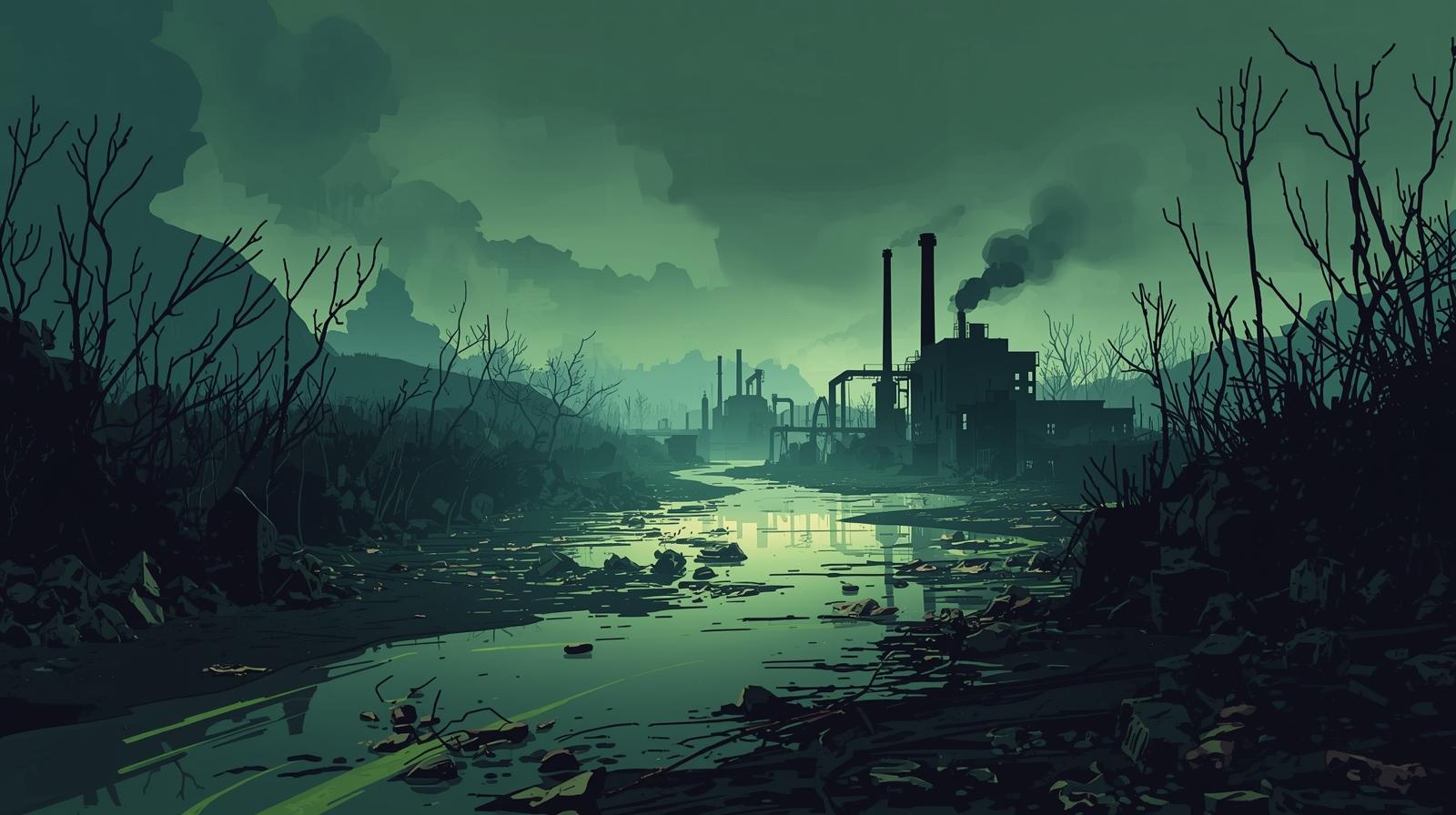
The Industrial Revolution, beginning in the late 18th century, brought about significant technological advancements and transformed society. However, it also introduced a new era of pollution. Factories began to spring up across Europe and North America, often located near rivers and streams, which provided both power and a convenient way to dispose of waste.
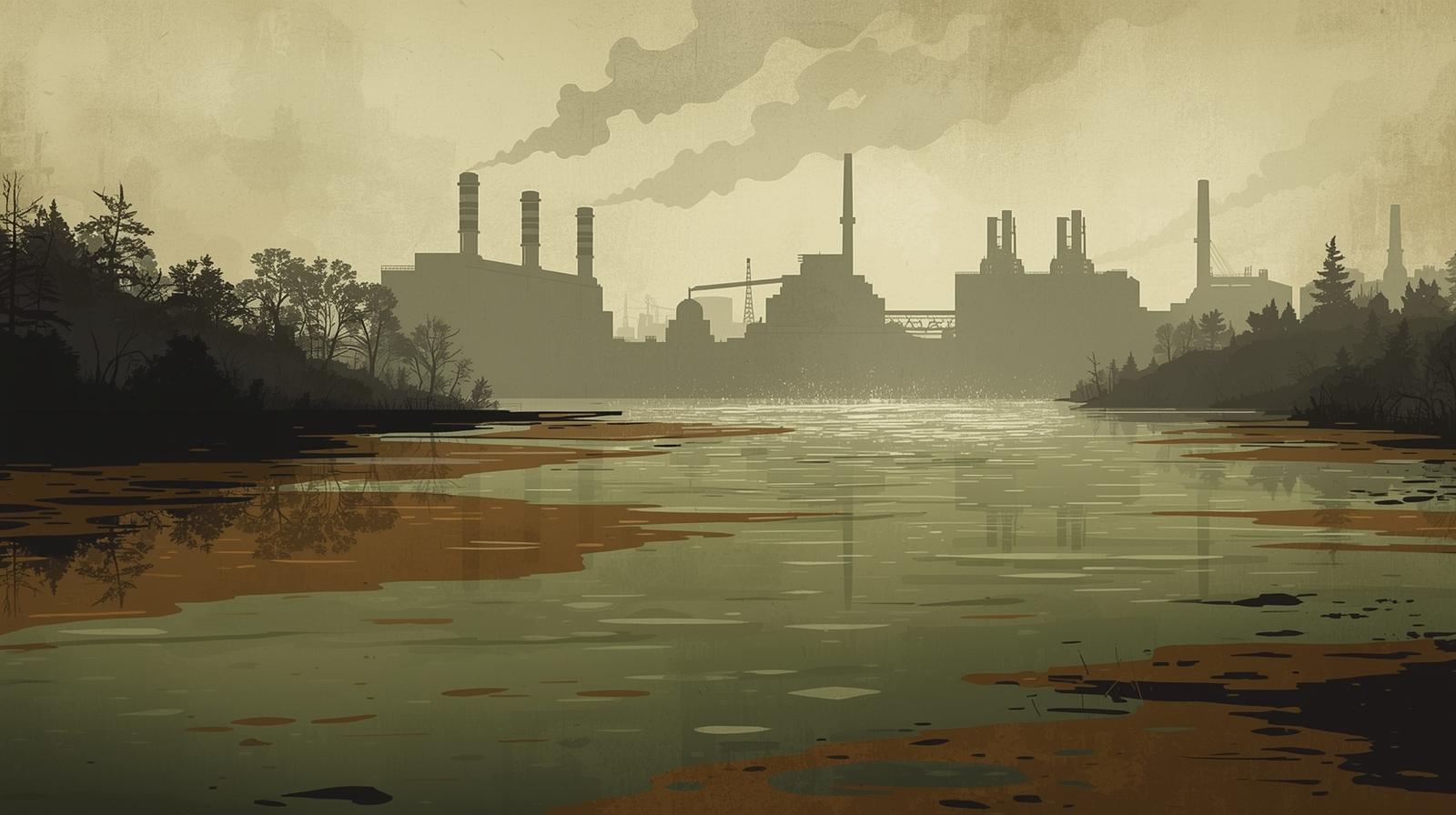
The discharge of untreated industrial waste into waterways became a common practice. This included chemicals, heavy metals, and other pollutants that could harm aquatic ecosystems and human health. The effects of these practices were not immediately apparent, but over time, the environmental and health repercussions became undeniable.
Air pollution also surged during the Industrial Revolution, with coal-fired factories releasing large amounts of smoke and soot into the atmosphere. This not only affected air quality but also contributed to the contamination of water sources. Pollutants from the air can settle onto land and water surfaces, further exacerbating the issue of water pollution.
Water contamination has far-reaching effects on ecosystems. Polluted water can lead to the death of aquatic plants and animals, disrupt food chains, and destroy habitats. Heavy metals and toxic chemicals can accumulate in the bodies of fish and other wildlife, posing risks to predators, including humans, who consume them.
Contaminated water poses significant health risks to humans. Exposure to pollutants can lead to a range of health issues, including gastrointestinal illnesses, reproductive problems, and neurological disorders. Communities that rely on contaminated water sources for drinking and agriculture are particularly vulnerable.
The economic impact of water contamination is also considerable. It affects industries such as fishing and tourism, leading to job losses and decreased revenue. Additionally, the cost of treating contaminated water and addressing health issues related to pollution can place a heavy burden on governments and communities.
In response to the growing awareness of water pollution, governments have implemented various regulatory measures. The Clean Water Act in the United States, for example, was enacted to regulate the discharge of pollutants into waterways and set quality standards for surface waters.
While these regulations have led to improvements, challenges remain. Enforcement can be inconsistent, and new pollutants continue to emerge, requiring ongoing vigilance and adaptation.
Technology plays a crucial role in addressing water contamination. Advances in water treatment and pollution control technologies have made it possible to remove many harmful substances from water supplies. Innovations such as biofiltration, reverse osmosis, and chemical precipitation are helping to mitigate the effects of industrial pollution.
Community involvement and industry responsibility are also vital in combating water pollution. Many companies are adopting more sustainable practices, reducing waste, and investing in cleaner technologies. Additionally, community organizations are raising awareness and advocating for cleaner water policies.
Climate change is adding another layer of complexity to the issue of water contamination. Changes in weather patterns can lead to more frequent and severe flooding, which can spread pollutants and overwhelm water treatment systems. Additionally, rising temperatures can exacerbate the effects of pollution, making it more difficult to maintain water quality.
Addressing the legacy of industrial water contamination requires a multifaceted approach. It involves regulatory action, technological innovation, community engagement, and a commitment to sustainable practices. By working together, we can mitigate the impact of past industrial practices and protect our water resources for future generations.
Water contamination is a critical issue that traces its roots back to the Industrial Revolution. The legacy of industrial pollution continues to affect our environment, health, and economy. However, through concerted efforts and innovations, we can combat this challenge and ensure cleaner, safer water for all.
The journey to clean water is ongoing, and it requires the collective action of governments, industries, and communities. By understanding the history and impact of water contamination, we can better address the present challenges and work towards a healthier planet.