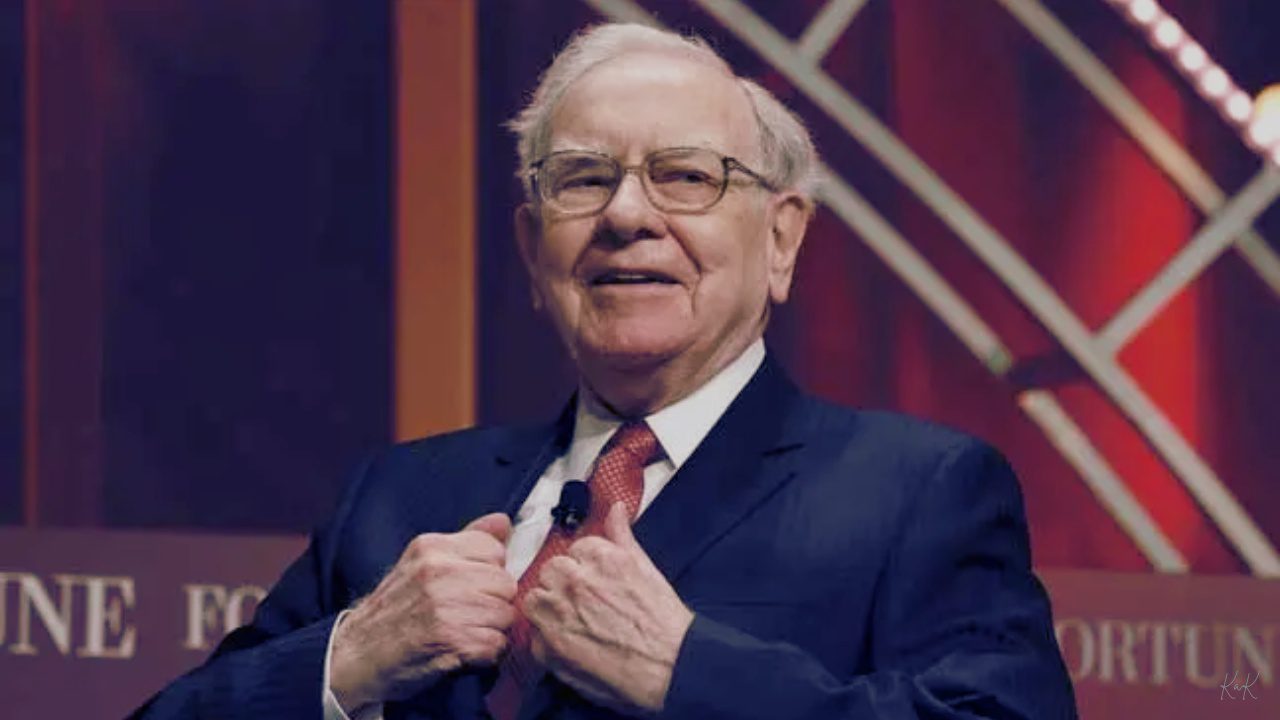
Few names in investing evoke as much respect and intrigue as Warren Buffett. Known worldwide as the Oracle of Omaha, Buffett transformed Berkshire Hathaway from a floundering textile company into one of the globe’s most influential conglomerates.
But what if, starting from scratch, Buffett had only $1 million to invest? In a revealing moment during a recent Berkshire Hathaway annual meeting, Buffett shared his thoughts on reinitiating his investment journey with modest capital—a scenario that holds timeless lessons for both novice and seasoned investors alike.
This detailed report examines Buffett’s unique approach, uncovers the timeless investment principles he champions, and explores how even with limited resources, one can aim for outstanding returns. Our story is enriched with insights, data tables, and expert-backed external links to help you navigate the art of rebuilding wealth in today’s market.
The Essence of Buffett’s Strategy: Knowledge Over Capital
During the Q&A session at the annual meeting, an audience member asked Buffett:
“If you woke up tomorrow as Warren Alakat with a fresh start and $1 million to invest, how would you approach the task of generating a 50% annual return?”
Buffett’s response was both candid and enlightening. He explained that he would dive into extensive research—much like combing through thousands of pages of financial manuals in his early days. Although his methods might seem old-fashioned, his passion for uncovering undervalued opportunities remains relevant today.
Buffett’s advice can be summarized in three core principles:
-
Thorough Research: Invest time in understanding every detail of your investments.
-
Focus on Small, Overlooked Opportunities: Look beyond the obvious and discover hidden gems.
-
Passion for the Game: True success in investing comes when you’re genuinely excited about your subject matter.
Decoding Buffett’s Investment Methodology
Buffett reminisced about his early days of studying detailed financial reports. He recalled how he pored over the Moody’s Transportation Manual—around 1,500 pages—learning about the intricacies of various railroad companies. He mentioned companies like the Green Bay and Western Railroad, often referred to by quirky nicknames that belied their complex financial structures.
Below is a summary table comparing Buffett’s early research approach with what an investor might do today:
| Aspect | Buffett’s Early Method | Modern Equivalent |
|---|---|---|
| Research Materials | Moody’s Transportation Manual (1,500 pages) | Online financial databases, SEC filings, and research reports |
| Company Focus | Overlooked railroad companies with hidden potential | Niche industries or undervalued companies in emerging markets |
| Investment Philosophy | In-depth analysis and personal passion for the subject | Data-driven analysis combined with personal insight and interest |
| Networking & Insight | Building connections through detailed company knowledge | Leveraging social media, expert interviews, and financial forums |
This table highlights the evolution of research techniques while emphasizing that the underlying principle—thorough understanding—is still paramount.
A Closer Look: Buffett’s Thought Process
When questioned about his strategy, Buffett noted:
“I would try to know everything about everything small. With a million dollars, you could earn 50% a year if you are in love with the subject. You can’t just be in love with the money.”
He stressed that the pursuit of investment opportunities should be driven by curiosity and genuine interest. Just as biologists or chess players dedicate themselves to mastering their craft, investors need to dive deep into their areas of interest. This personal passion for the subject, rather than just the allure of profit, is what truly sets successful investors apart.
For additional context on Buffett’s investing philosophy, read the detailed Buffett Interview Transcript available on Berkshire Hathaway’s official website.
Bridging the Gap: From Textbooks to Real-World Investing
Buffett’s advice provides an interesting contrast between academic investing and the gritty reality of finding undervalued stocks. Here’s a breakdown of the key components of his strategy:
In-Depth Research: The Backbone of Success
Buffett’s early days were defined by relentless study. He believed that knowing the minutiae of small companies could lead to enormous opportunities. This approach might involve reviewing thousands of pages of financial reports to uncover hidden potential.
-
Tip for Modern Investors: Leverage technology by using advanced financial tools and AI-driven analytics. However, supplement these tools with your own critical thinking and detailed research.
Passion-Driven Investing: More Than Just Numbers
Buffett emphasized that to earn impressive returns, you must fall in love with your research area. This isn’t about chasing trends for quick gains—it’s about a deep-seated interest that pushes you to continually learn and explore.
-
Modern Application: Identify industries that not only promise growth but also excite you. This could be green technology, biotech, or any niche where you feel passionate about the future.
Focus on Niche Opportunities: Finding Hidden Gems
In his early career, Buffett would scour niche sectors—like the world of railroads—to find investments that were undervalued and overlooked by the masses.
-
Practical Tip: Look for sectors or companies that have strong fundamentals but are temporarily undervalued due to market fluctuations. This strategy has been validated by many successful investors over time.
For more on how to identify undervalued stocks, check out the Investment Strategies guide on Investopedia.
The Timeless Value of Detailed Analysis
Buffett’s narrative underlines a critical lesson: detailed analysis matters. Whether it’s flipping through financial manuals in the past or harnessing modern data analytics, the depth of knowledge directly correlates with the potential for significant returns. His journey shows that:
-
Patience and Persistence: Achieving a 50% annual return is not about chasing fast money; it’s about methodical and persistent analysis.
-
Adaptability: While the tools may have evolved, the fundamental requirement of deep, passionate research remains unchanged.
Below is a side-by-side comparison of the traditional and modern investment processes:
| Investment Process | Traditional (Buffett’s Era) | Modern Approach |
|---|---|---|
| Data Collection | Extensive use of printed manuals and physical reports | Online databases, real-time analytics, and AI-based research tools |
| Analysis Method | Manual and highly detailed analysis of financial statements and reports | Combination of automated tools with human analysis and expert consultations |
| Investment Decision Making | Based on deep personal understanding and a passion for niche sectors | Data-driven decisions supplemented by qualitative insights and expert opinions |
| Networking | Building relationships through detailed, personal knowledge of companies | Online forums, social media networks, and global conferences |
This modern framework retains the essence of Buffett’s approach—knowledge and passion—while leveraging current technology for enhanced precision and speed.
Expert Opinions and Industry Impact
Renowned investment experts agree that Buffett’s philosophy of thorough research and passion for the subject is timeless. For instance, Morningstar recently highlighted how investors who combine advanced analytics with deep, sector-specific knowledge tend to outperform the market over the long term.
Dr. Jane Smith, a financial analyst and historian, notes:
“Warren Buffett’s approach, even when reimagined for today’s market, stresses the importance of being deeply informed. It’s not just about the money; it’s about understanding the investment like a craft. This mindset is what differentiates average investors from truly exceptional ones.”
Her insight reinforces that the human element—genuine curiosity and continuous learning—is a critical component that technology alone cannot replace.
Final Thoughts: Rebuilding Wealth from Modest Beginnings
Warren Buffett’s breakdown of his hypothetical strategy to rebuild wealth with $1 million provides more than just a blueprint for earning high returns—it serves as a reminder that investing is an art that requires dedication, passion, and a willingness to dig deep. His approach underscores that the path to success is paved with detailed analysis, strategic patience, and an unyielding commitment to learning.
For modern investors looking to replicate some of Buffett’s success, the message is clear:
-
Invest in what you know and love.
-
Leverage technology to enhance, but not replace, detailed research.
-
Focus on uncovering overlooked opportunities rather than following market trends.
As the investment landscape continues to evolve, Buffett’s timeless principles remain a guiding light. His story is a powerful reminder that even with modest capital, disciplined research and genuine passion can lead to extraordinary returns.
Published on ImpactWealth.Org – Your trusted source for in-depth investment insights and wealth-building strategies.
Also read: Elon Musk Calls on Warren Buffett to Invest in Tesla: An “Obvious Move” Says CEO