For more than a century, automakers have used concept vehicles to explore bold ideas and showcase the future of mobility. These vehicles are not simply design exercises; they represent a brand’s philosophy, technological ambitions, and vision for the next generation of driving experiences.
Luxury brands in particular rely on concept cars to redefine expectations of comfort, performance, and innovation. Through experimental design, advanced materials, and cutting-edge digital technology, these concepts preview how future vehicles may look and function.
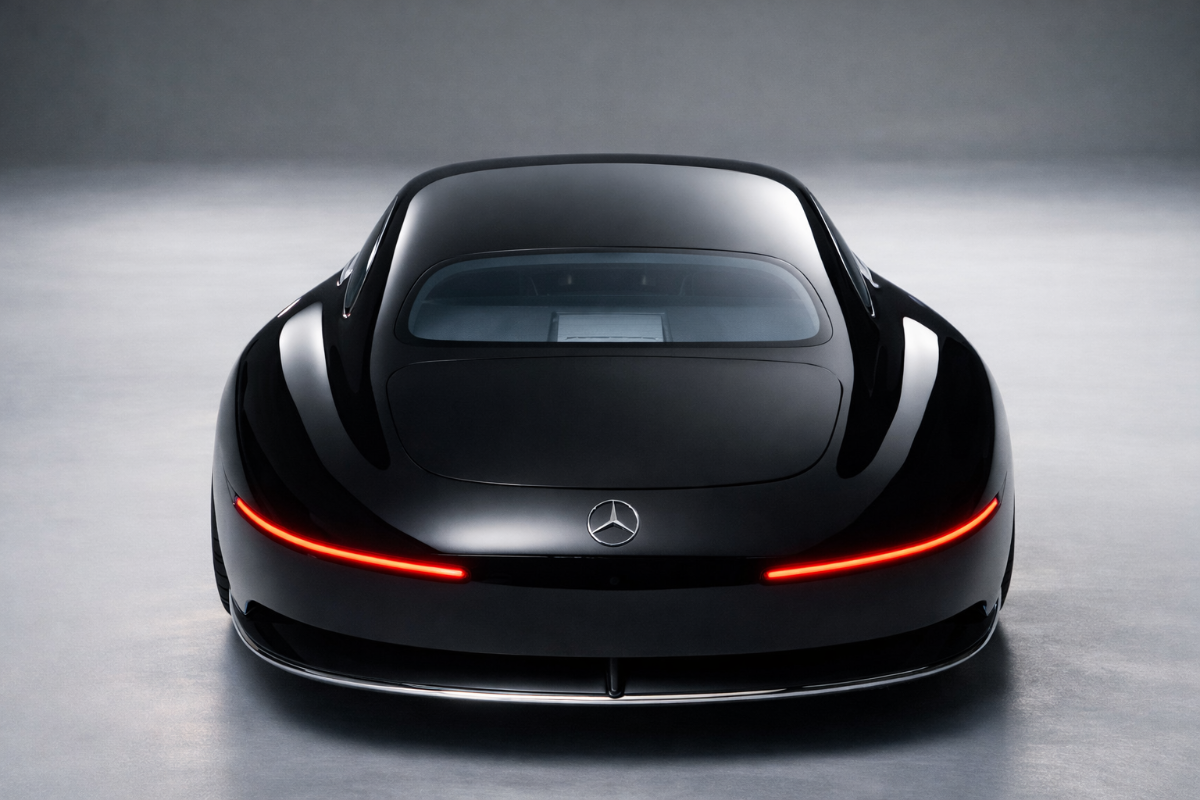
One of the latest examples of this forward-thinking approach is the Mercedes-Benz Vision Iconic. This concept represents a bold interpretation of what luxury mobility could become in the coming decades. Developed by Mercedes-Benz, the vehicle blends heritage design inspiration with futuristic technology, creating a compelling vision of next-generation luxury.
The Mercedes Vision Iconic is more than a show car. It highlights how modern luxury vehicles could combine sustainability, digital intelligence, and timeless elegance. By integrating classic design cues with innovative technologies, Mercedes demonstrates how the future of premium mobility might evolve.
What Is the Mercedes Vision Iconic?
The Mercedes Vision Iconic is a design concept created to showcase the future direction of luxury vehicles from Mercedes-Benz. It combines heritage elements from the brand’s legendary models with futuristic styling, advanced digital features, and a strong focus on sustainable mobility.
Concept cars like this serve several purposes:
-
Present new design languages
-
Introduce experimental technologies
-
Preview potential future production vehicles
-
Reinforce a brand’s identity and innovation strategy
The Vision Iconic embodies these goals perfectly. It reflects the brand’s philosophy of blending luxury craftsmanship with intelligent technology.
The Role of Concept Cars in Luxury Innovation
Luxury automakers frequently introduce concept cars to test radical ideas before bringing them into production vehicles.
These vehicles allow manufacturers to explore:
-
Autonomous driving technologies
-
Artificial intelligence interfaces
-
Sustainable materials
-
New electric powertrain concepts
Consequently, many features first seen in concept vehicles eventually appear in future production models.
Design Philosophy Behind Mercedes Vision Iconic
The design of the Mercedes Vision Iconic builds upon the brand’s famous philosophy known as Sensual Purity. This design approach combines emotional aesthetics with technological precision.
Inspiration From the Golden Era of Automotive Design
One of the most distinctive aspects of the Vision Iconic is its inspiration from classic automotive design, particularly from the 1930s luxury era.
During that period, vehicles emphasized:
-
Long sculpted hoods
-
Elegant curves
-
Strong presence and proportion
These design elements symbolized prestige and craftsmanship.
The Vision Iconic interprets these historic features through a modern lens. The result is a vehicle that feels timeless yet futuristic.
Sculptural Exterior Styling
The exterior design emphasizes flowing lines and strong proportions.
Key design highlights include:
-
A long, dramatic front profile
-
Smooth sculptural body surfaces
-
Minimalist lighting signatures
-
Aerodynamic styling
Moreover, the vehicle’s proportions create a striking road presence that reinforces the identity of Mercedes luxury vehicles.
Timeless Elegance With Modern Precision
While many concept cars focus on aggressive futuristic styling, the Vision Iconic aims for elegance. The design avoids unnecessary complexity and instead emphasizes balance and refinement.
This approach aligns with the traditional luxury DNA of Mercedes-Benz.
Interior Innovation and Luxury Experience
Inside the Mercedes Vision Iconic, the focus shifts from conventional car interiors to immersive luxury environments.
A Lounge-Inspired Cabin
The interior features a spacious and comfortable layout inspired by luxury lounges.
Important elements include:
-
A continuous bench-style seating arrangement
-
Premium materials and craftsmanship
-
Ambient lighting for a relaxing atmosphere
Consequently, passengers experience a sense of calm and sophistication rather than a typical cockpit environment.
Digital Integration and Smart Interfaces
Modern luxury vehicles are increasingly defined by digital experiences.
The Vision Iconic concept incorporates intelligent interfaces that may include:
-
AI-powered digital assistants
-
Adaptive displays and controls
-
Personalized user environments
These technologies are designed to make driving and travel more intuitive.
Moreover, such innovations reflect the direction of modern vehicle ecosystems where software plays a central role.
Electric Performance and Sustainable Mobility
Although concept vehicles rarely provide full technical specifications, the Vision Iconic strongly hints at electric mobility.
The Shift Toward Electric Luxury
Luxury automakers are rapidly transitioning toward electric vehicles.
Companies such as Tesla, BMW, and Audi are investing heavily in EV technology.
Mercedes has also accelerated its electric strategy through its EQ lineup, including vehicles like the Mercedes-Benz EQS.
Therefore, the Vision Iconic likely reflects a future where flagship luxury vehicles rely entirely on electric power.
Potential Performance Characteristics
While exact specifications remain conceptual, the vehicle could feature:
-
High-capacity battery technology
-
Long-range electric driving capability
-
Instant torque delivery
-
Ultra-quiet performance
These features align with the expectations of future luxury EVs.
Mercedes Vision Iconic vs Other Luxury Concept Cars
Luxury automakers frequently unveil visionary concepts to explore future design and technology trends.
| Feature | Mercedes Vision Iconic | BMW Vision Concept | Audi Skysphere Concept |
|---|---|---|---|
| Design Philosophy | Classic luxury + futuristic design | Digital luxury experience | Adaptive sports luxury |
| Powertrain Vision | Electric luxury platform | Advanced EV architecture | Electric roadster concept |
| Interior Style | Lounge-inspired cabin | AI digital interface | Transforming cockpit |
| Innovation Focus | Heritage + intelligent mobility | Digital personalization | Adjustable wheelbase design |
| Sustainability | Electric mobility & materials | Sustainable materials | EV technology |
This comparison highlights how each brand approaches the future of premium mobility differently.
Strategy Behind the Vision Iconic Concept
The Mercedes Vision Iconic represents more than just design exploration. It illustrates the broader strategy of Mercedes-Benz.
Next-Generation Luxury
Luxury is evolving beyond leather seats and powerful engines. Modern luxury vehicles emphasize:
-
Intelligent software
-
Sustainable materials
-
Personalized digital environments
Therefore, future vehicles will increasingly combine luxury craftsmanship with artificial intelligence.
Intelligent Mobility
Mercedes is focusing heavily on intelligent mobility systems.
These systems may include:
-
Autonomous driving capabilities
-
AI navigation assistants
-
Predictive safety technologies
Consequently, vehicles will become smarter and more adaptive to drivers’ needs.
Trends Shaping the Future of Luxury Automotive Design
Several industry trends are influencing how concept vehicles like the Vision Iconic are developed.
Electrification
Electric vehicles are becoming the foundation of the future automotive industry.
Key benefits include:
-
Reduced emissions
-
Quieter driving experiences
-
Improved energy efficiency
Digital Ecosystems
Luxury vehicles are becoming digital platforms rather than mechanical machines.
Modern vehicles integrate:
-
Software updates
-
AI assistants
-
Connected services
This shift fundamentally changes how drivers interact with their cars.
Sustainable Materials
Automakers are increasingly exploring sustainable materials such as:
-
recycled composites
-
plant-based leather alternatives
-
eco-friendly fabrics
These innovations help reduce environmental impact while maintaining luxury quality.
Future Luxury EV Concepts vs Traditional Flagship Sedans
| Feature | Future Luxury EV Concepts | Traditional Flagship Sedans |
|---|---|---|
| Powertrain | Fully electric | Gasoline or hybrid |
| Digital Experience | AI-driven interfaces | Traditional infotainment |
| Sustainability | Eco materials & energy efficiency | Limited sustainability focus |
| Driving Experience | Instant torque & silent drive | Engine-powered dynamics |
| Interior Layout | Lounge-style space | Driver-focused cockpit |
This comparison demonstrates how future luxury mobility will transform the entire vehicle experience.
The Importance of Visionary Design in Automotive Innovation
Concept cars play a critical role in shaping the automotive industry. They allow manufacturers to experiment with ideas that may influence vehicles years into the future.
The Mercedes Vision Iconic highlights how luxury vehicles can evolve by combining tradition with innovation.
Moreover, such concepts inspire designers and engineers to push boundaries and explore new possibilities.
Consequently, even if the exact design never reaches production, many of its technologies and design cues will likely appear in future Mercedes models.
Frequently Asked Questions
What is the Mercedes Vision Iconic?
The Mercedes Vision Iconic is a luxury concept vehicle created by Mercedes-Benz to showcase the brand’s future design direction and technology vision.
Is the Vision Iconic a production car?
No. It is a concept vehicle designed to explore ideas and inspire future models rather than being sold as a production car.
Is the Mercedes Vision Iconic electric?
Although full specifications are not confirmed, the concept strongly suggests an electric powertrain aligned with Mercedes-Benz’s EV strategy.
What makes the Vision Iconic unique?
Its combination of classic design inspiration, modern digital technology, and sustainable mobility concepts makes it a distinctive vision of future luxury.
Will features from the Vision Iconic appear in future cars?
Yes. Concept vehicles often introduce ideas and technologies that later appear in production models.