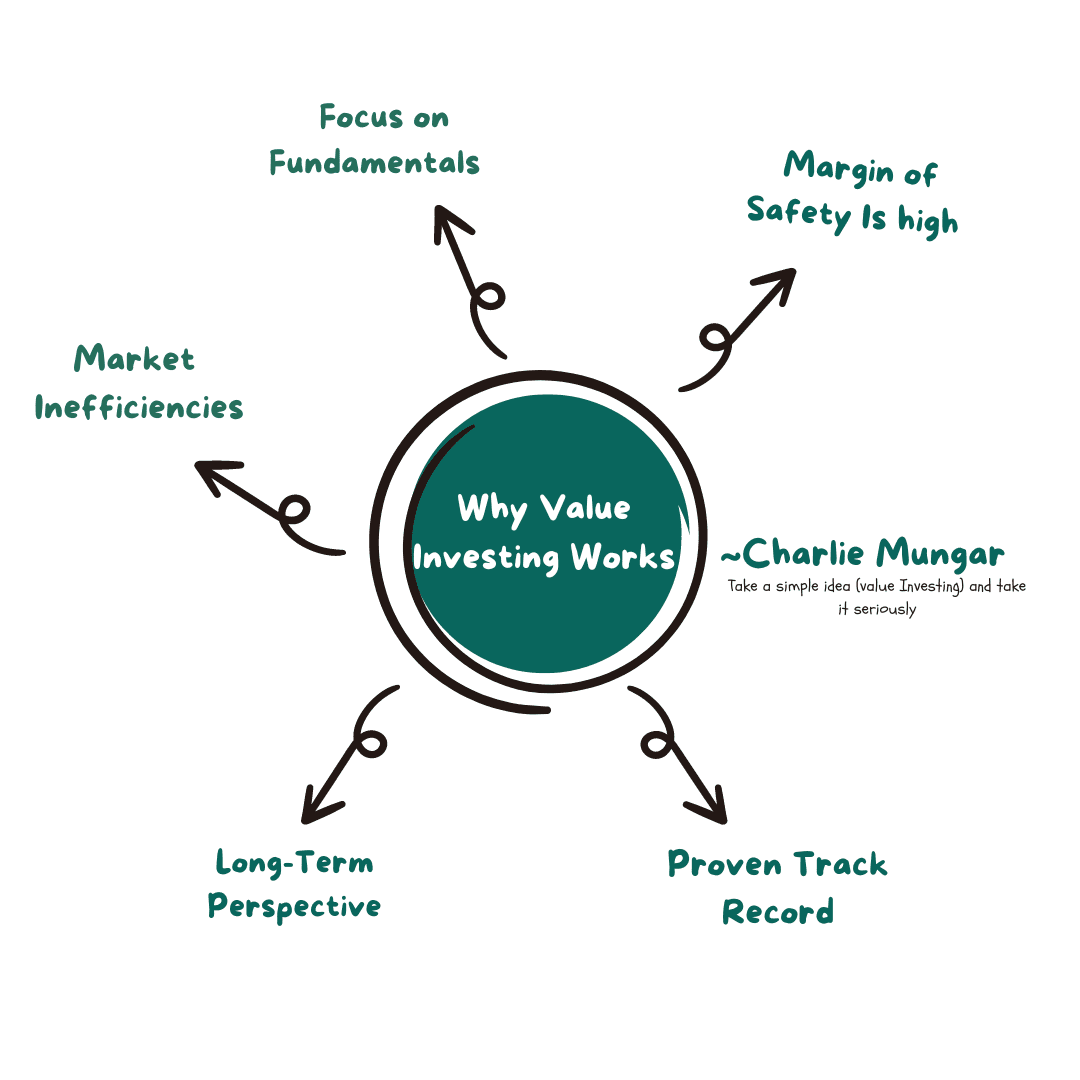
Investing in the stock market can be intimidating, especially for beginners. One approach that has stood the test of time is value investing, which focuses on buying undervalued stocks with strong fundamentals and holding them for the long term. Value investing is a disciplined strategy that prioritizes careful analysis over speculation, making it suitable for investors who want steady growth and lower risk.
This article explains key value investing strategies for beginners, practical steps to get started, and tips to avoid common mistakes.
What Is Value Investing?
Value investing is a strategy where investors purchase stocks that appear to be trading for less than their intrinsic value. The goal is to identify companies with solid financials, consistent earnings, and growth potential, which the market has temporarily undervalued.
Key principles include:
-
Buying undervalued assets
-
Focusing on long-term growth
-
Evaluating company fundamentals
-
Avoiding speculation based on market trends
Value investors aim to minimize risk while achieving returns over time.
1. Focus on Companies With Strong Fundamentals
Strong fundamentals indicate a company’s ability to perform consistently and grow over time. Beginners should prioritize companies with:
-
Stable earnings and revenue growth
-
Low debt-to-equity ratios
-
Consistent profit margins
-
Strong management and business model
Analyzing fundamentals helps beginners avoid hype-driven investments and select stocks with genuine value.
2. Learn to Calculate Intrinsic Value
Intrinsic value is the “true worth” of a company based on financial performance and growth potential. Buying stocks below intrinsic value provides a margin of safety.
Key approaches to estimating intrinsic value:
-
Discounted Cash Flow (DCF) analysis
-
Price-to-Earnings (P/E) ratio comparison
-
Book value evaluation
Understanding intrinsic value helps beginners make informed decisions instead of following market trends blindly.
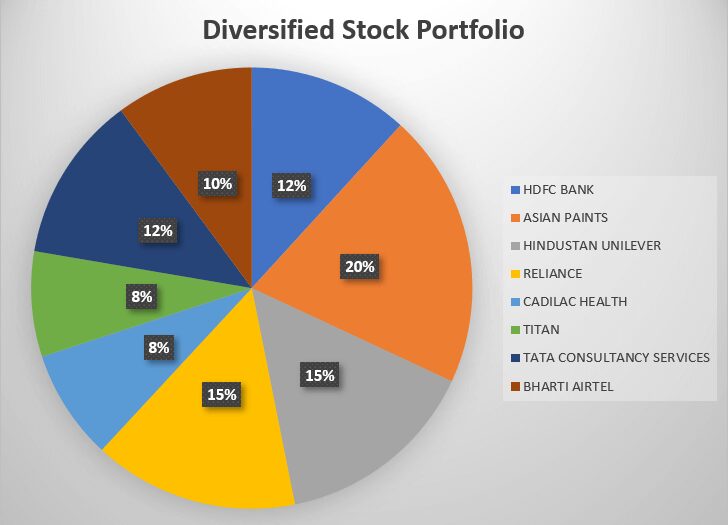
3. Diversify Your Investments
Even the best value stocks can carry risk. Diversification spreads risk across sectors and industries, minimizing potential losses.
Tips for diversification:
-
Invest in multiple companies
-
Include different industries
-
Balance high-growth and stable stocks
Diversification is a cornerstone of risk management in value investing.
4. Adopt a Long-Term Mindset
Value investing is not about short-term gains. Stocks may take months or even years to reach their true potential. Patience is crucial.
Strategies to maintain a long-term approach:
-
Avoid frequent trading based on market noise
-
Reinvest dividends to compound returns
-
Stay focused on company fundamentals rather than stock price fluctuations
A long-term mindset aligns with the philosophy of consistent growth rather than quick profits.
5. Understand the Margin of Safety
The margin of safety is the difference between a stock’s intrinsic value and its current market price. Buying with a margin of safety reduces the risk of loss if the market moves unexpectedly.
Practical tips:
-
Look for stocks trading significantly below intrinsic value
-
Avoid overpaying even for high-quality companies
-
Adjust your portfolio as new data emerges
This principle is essential for beginners to avoid emotional or speculative mistakes.
6. Use Financial Ratios to Evaluate Stocks
Financial ratios simplify company analysis and highlight key areas of performance. Beginners should familiarize themselves with:
-
Price-to-Earnings (P/E) ratio: Compare stock price to earnings
-
Price-to-Book (P/B) ratio: Compare market price to book value
-
Debt-to-Equity ratio: Assess financial leverage
-
Return on Equity (ROE): Measure profitability
These metrics provide a quick snapshot of company value and risk.
7. Avoid Emotional Investing
The market can be volatile, and beginners often make impulsive decisions. Value investing requires discipline and objectivity.
Tips to stay disciplined:
-
Stick to your research and analysis
-
Ignore short-term market hype
-
Focus on long-term fundamentals
Emotional investing is one of the most common mistakes that beginners make, especially when tempted by popular trends or tips from forums.
8. Start Small and Learn
Beginners should start with small investments to gain experience without risking significant capital. Over time, they can expand their portfolio as confidence and understanding grow.
-
Use a small portion of your savings
-
Track performance and learn from mistakes
-
Gradually increase investment as you gain knowledge
Starting small is safer than investing a large sum immediately without experience.
Value Investing vs Other Investment Strategies Table
| Strategy | Focus | Risk Level | Best For |
|---|---|---|---|
| Value Investing | Undervalued stocks | Low–Medium | Long-term growth |
| Growth Investing | High-growth companies | Medium–High | Aggressive investors |
| Dividend Investing | Income-generating stocks | Low–Medium | Income-focused investors |
| Index Investing | Broad market exposure | Low | Beginners/Passive investors |
9. Learn From Experts
Studying renowned value investors like Warren Buffett or Benjamin Graham provides valuable insights. Understanding their principles can help beginners adopt a disciplined and rational approach.
Key takeaways:
-
Patience is crucial
-
Focus on fundamentals, not speculation
-
Margin of safety reduces risk
Education and mentorship improve investment decisions and confidence over time.
How Value Investing Complements Other Financial Goals
Value investing is not only about building wealth but also about creating financial stability. Additional income from strategies such as Side Hustle Ideas to Increase Monthly Income can provide capital to invest in undervalued stocks, accelerate growth, and reduce dependence on debt. Combining consistent income streams with value investing creates a strong foundation for long-term financial independence.
Frequently Asked Questions (FAQs)
What is the best type of stock for beginners in value investing?
Companies with stable earnings, low debt, and strong market position are ideal for beginners.
How long should I hold a value stock?
Typically, value stocks are held for several years until they reach their intrinsic value.
Can I lose money with value investing?
Yes, but the risk is lower than speculative investing because decisions are based on fundamentals rather than trends.
Do I need a large budget to start value investing?
No. Beginners can start with small investments and gradually expand as they gain confidence.
Should I follow stock tips from social media?
No. Social media tips are often speculative. Value investing requires independent research and analysis.
Conclusion
Value investing strategies for beginners emphasize patience, discipline, and careful analysis. By focusing on strong fundamentals, estimating intrinsic value, diversifying, and avoiding emotional decisions, beginners can build a sustainable investment portfolio. Combining value investing with other financial approaches, such as earning additional income through Side Hustle Ideas to Increase Monthly Income, can accelerate wealth accumulation and create long-term financial stability.