The 2026 F1 Championship is expected to be one of the most unpredictable seasons in modern Formula 1 history. New engine regulations, aerodynamic adjustments, and evolving team dynamics will reshape the competitive order. While the championship battle often unfolds across the full calendar, certain races consistently act as decisive moments where the momentum shifts dramatically.
Historically, the title fight rarely comes down to a single weekend. Instead, it is shaped by a handful of pivotal circuits where strategy, weather, driver confidence, and car performance collide. Some tracks reward outright pace, others punish small mistakes, and a few produce chaos that can transform the championship narrative overnight.
Therefore, understanding which races might influence the 2026 F1 Championship is crucial for fans, analysts, and teams alike. In this article, we explore the circuits most likely to determine the title, analyze their technical characteristics, and explain why specific races often reshape the championship battle.
Why Certain Races Shape the 2026 F1 Championship?
Every Formula 1 season includes roughly 23–24 races, yet only a few typically have an outsized impact on the title fight. These races often share several defining characteristics:
-
High probability of safety cars or unpredictable weather
-
Tracks where overtaking opportunities create strategic chaos
-
Circuits where tire management becomes critical
-
Venues historically linked to championship turning points
Moreover, some tracks expose weaknesses in specific cars. A team dominant on high-speed circuits may struggle on tight street tracks, while others excel where traction and mechanical grip matter most.
Consequently, these variations ensure that the 2026 F1 Championship will likely swing back and forth as teams adapt to different racing environments.
Key Circuits Likely to Influence the 2026 F1 Championship
Below is an overview of several circuits widely considered potential championship swing points.
Key Circuit Overview
| Grand Prix | Circuit Type | Key Challenge | Historical Impact |
|---|---|---|---|
| Monaco GP | Street Circuit | Precision driving & qualifying | Momentum shift races |
| British GP | High-speed track | Aerodynamic efficiency | Mid-season upgrades |
| Hungarian GP | Tight technical circuit | Tire management | Strategy-heavy outcomes |
| Singapore GP | Street night race | Physical endurance & humidity | Late-season drama |
| Brazilian GP | Mixed layout | Weather unpredictability | Title-deciding races |
Each of these venues presents a distinct technical challenge, which means teams must adapt their setups and strategies accordingly.
Monaco Grand Prix: Precision Over Raw Speed
The Ultimate Qualifying Circuit
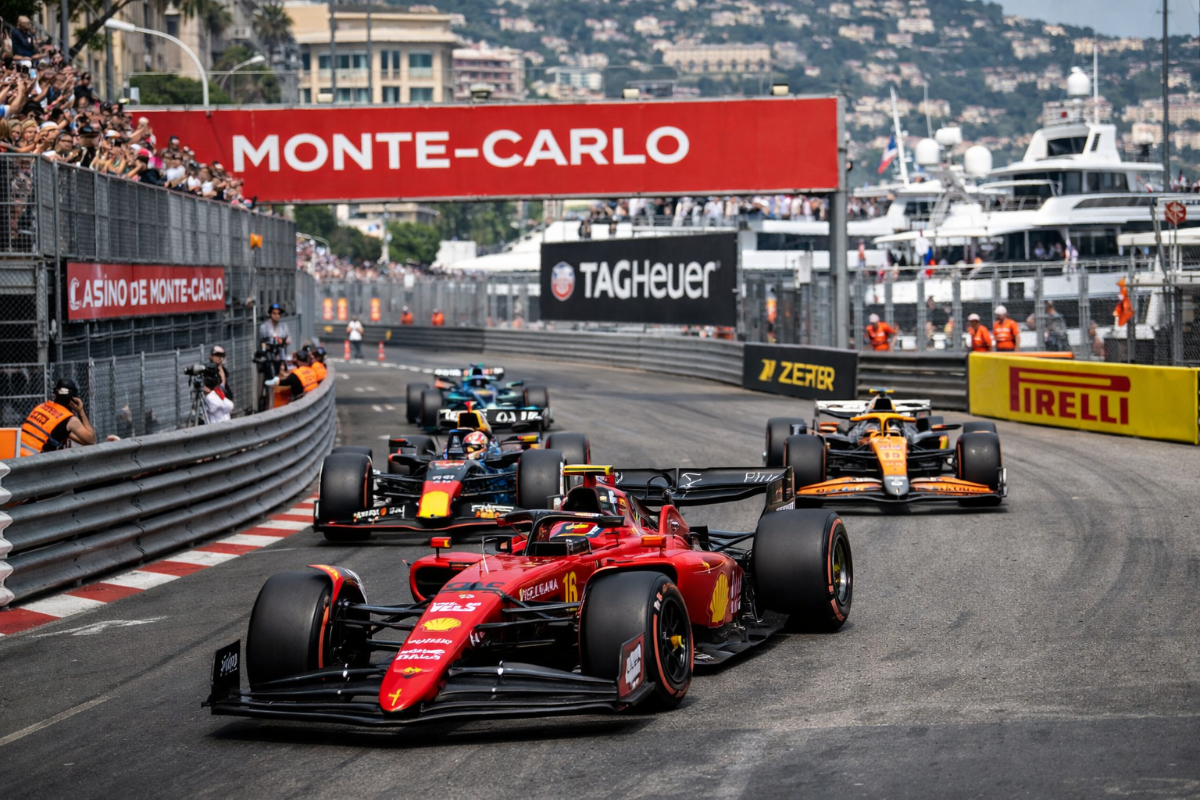
Monaco Grand Prix remains the most technical circuit on the calendar. The narrow streets, lack of run-off areas, and minimal overtaking opportunities make qualifying performance everything.
Drivers who secure pole position typically control the race pace. Therefore, any championship contender who struggles in qualifying could lose critical points.
Strategy and Tire Management
Although overtaking is rare, strategy still plays a major role:
-
Undercut pit strategies
-
Safety car timing
-
Tire compound selection
Moreover, Monaco often rewards driver confidence rather than outright car speed, meaning a smaller team could disrupt the championship fight by taking valuable podium points.
Consequently, the Monaco weekend could become an early momentum indicator in the 2026 F1 Championship.
British Grand Prix: The Development Race
Where Upgrades Meet Performance?Silverstone traditionally marks the stage of the season where teams introduce major aerodynamic upgrades. As a result, the British Grand Prix often reveals which team has developed the fastest car.
High-speed corners such as Maggots, Becketts, and Copse push aerodynamic stability to the limit.
If a team arrives with an effective upgrade package, the championship trajectory can shift almost immediately.
Why Silverstone Matters?
Several factors make Silverstone crucial:
-
Long high-speed corners expose aerodynamic efficiency
-
Tire degradation becomes a major factor
-
Strategy decisions often influence results
Therefore, the British Grand Prix often acts as the mid-season performance benchmark for the 2026 F1 Championship.
Hungarian Grand Prix: The Strategy Chess Match
A Circuit That Punishes Tire Mismanagement
The Hungaroring is frequently described as “Monaco without the walls.” Overtaking is difficult, and the circuit demands precise tire management.
Moreover, the tight layout creates high thermal stress on tires, which forces teams to carefully plan their pit stop strategies.
Why Hungary Can Change the Championship?
Several championship battles have shifted in Hungary because:
-
Poor strategy decisions cost contenders valuable points
-
Tire degradation forces unexpected pit stops
-
Heat conditions amplify driver fatigue
Consequently, teams that excel in tire management may gain a critical advantage in the 2026 F1 Championship standings.
Singapore Grand Prix: The Endurance Test
The Most Physically Demanding Race
Singapore is widely considered the toughest race for drivers. High humidity, extreme temperatures, and a long race duration test physical and mental endurance.
Moreover, the street circuit layout creates a high probability of safety cars.
Strategic Complexity
Singapore introduces unique strategy challenges:
-
Tire wear under high temperatures
-
Safety car timing affecting pit windows
-
Overtaking opportunities in limited zones
Because the race occurs late in the season, results here often carry major championship implications.
Therefore, Singapore could easily become a decisive moment in the 2026 F1 Championship.
Brazilian Grand Prix: The Chaos Factor
Weather That Changes Everything
Interlagos has a reputation for unpredictable weather conditions. Rain showers can appear suddenly, forcing teams to react instantly.
Consequently, strategic decisions must be made quickly, and even small errors can cost multiple positions.
A History of Championship Drama
The Brazilian Grand Prix has delivered some of Formula 1’s most dramatic title moments. Sudden rain, safety cars, and overtaking battles often produce unexpected outcomes.
Because of this unpredictability, Brazil remains one of the races most capable of reshaping the 2026 F1 Championship standings.
Race Characteristics Comparison
| Circuit | Overtaking Difficulty | Tire Wear | Weather Impact | Strategy Complexity |
|---|---|---|---|---|
| Monaco | Very Low | Low | Moderate | Medium |
| Silverstone | Medium | High | Moderate | High |
| Hungary | Low | High | Low | High |
| Singapore | Medium | High | Low | Very High |
| Brazil | High | Medium | Very High | Very High |
This comparison highlights why these circuits play such a major role in determining championship outcomes.
Track Characteristics That Favor Different Teams
Each circuit rewards different car strengths. Consequently, championship contenders must adapt quickly across varying track demands.
High-Speed Aerodynamic Tracks
Circuits such as Silverstone reward cars with:
-
Strong aerodynamic downforce
-
High-speed corner stability
-
Efficient drag reduction
Teams with advanced aerodynamic packages often dominate these races.
Technical Low-Speed Tracks
Tracks like Monaco and Hungary favor:
-
Mechanical grip
-
Strong traction out of slow corners
-
Precise steering response
Drivers with exceptional technical skill can outperform their cars at these venues.
Street Circuits
Singapore introduces unique demands:
-
High concentration levels
-
Strong braking stability
-
Efficient cooling systems
Therefore, teams must design flexible setups to stay competitive across the 2026 F1 Championship calendar.
Strategy Elements That Could Decide Races
Tire Management
Tire degradation often dictates race strategy. Drivers who preserve tire life gain the flexibility to extend stints and exploit undercut opportunities.
Moreover, tire performance varies significantly depending on track temperature and surface characteristics.
Overtaking Zones
Overtaking opportunities shape race dynamics. Circuits with multiple passing zones encourage aggressive strategies.
Conversely, tracks with limited overtaking force teams to prioritize qualifying performance.
Weather Conditions
Weather frequently acts as the ultimate wildcard. Rain races compress the field and reward drivers with exceptional car control.
Therefore, teams that react quickly to changing conditions often gain valuable championship points.
Mid-Season Turning Points in Championship Battles
The middle portion of the calendar often produces defining moments in the championship fight.
Momentum Swings
A single victory can ignite a driver’s confidence, while consecutive poor results can derail a title challenge.
Moreover, mid-season upgrades frequently transform a car’s competitiveness.
Reliability Factors
Mechanical failures often appear after several races as components experience sustained stress. Consequently, reliability improvements become critical as the season progresses.
Psychological Pressure
Drivers competing for the title face increasing pressure after the summer break. Small mistakes become more costly, and strategic decisions carry greater weight.
These elements frequently determine the direction of the 2026 F1 Championship.
Historically Decisive F1 Races in Title Battles
Several races throughout Formula 1 history have fundamentally altered championship outcomes.
Late-Season Showdowns
Circuits like Brazil and Abu Dhabi have historically hosted title-deciding finales where multiple contenders enter the final race separated by only a few points.
Unexpected Upsets
Occasionally, underdog victories disrupt the championship standings. When a non-contender wins a race, the leading drivers lose critical opportunities to score maximum points.
Strategic Masterstrokes
Some championships hinge on bold strategy calls—early pit stops, tire gambles, or staying out during changing weather conditions.
Therefore, strategy teams play just as crucial a role as drivers in shaping the 2026 F1 Championship.
Conclusion
The 2026 F1 Championship will likely be shaped not just by driver skill or car performance, but by a sequence of pivotal races that redefine the competitive landscape.
Circuits such as Monaco, Silverstone, Hungary, Singapore, and Brazil offer unique challenges that test every aspect of a Formula 1 team—from engineering precision to strategic execution.
Moreover, unpredictable elements like weather, safety cars, and tire degradation ensure that no championship battle follows a predictable script.
Consequently, fans can expect a season filled with momentum swings, dramatic overtakes, and strategic gambles. By the time the final race arrives, the title will almost certainly have been influenced by several defining moments at these iconic circuits.
Frequently Asked Questions
Which race usually decides the Formula 1 championship?
While the final race often determines the champion, earlier races frequently set the momentum. Circuits like Brazil and Singapore have historically played major roles in shaping title outcomes.
Why is Monaco so important for the championship?
Monaco rewards precision driving and qualifying performance. Because overtaking is extremely difficult, the race can create significant point gaps between championship contenders.
How do mid-season upgrades affect the championship?
Teams typically introduce major upgrades around the middle of the season. If an upgrade package significantly improves performance, it can completely change the championship battle.
Which track is most unpredictable in Formula 1?
Brazil is widely considered one of the most unpredictable circuits due to sudden weather changes and intense racing conditions.
What factors decide a Formula 1 championship?
Key factors include driver performance, car development, race strategy, reliability, tire management, and adaptability to different track characteristics.