In recent years, architects and builders have increasingly recognized the importance of sustainability in construction. The choice of materials plays a critical role in determining a building’s environmental footprint. Among the various materials available, wood stands out for its unique properties and versatility. As a renewable resource, it offers a multitude of advantages over traditional building materials such as steel and concrete. Sustainable wood contributes to energy efficiency and enhances the aesthetic appeal of modern structures. This article explores the multifaceted benefits of using sustainable wood in contemporary architecture.
The Environmental Benefits of Using Wood
One of the principal arguments for using sustainable wood in architecture is its positive impact on the environment. Unlike materials that require intensive energy consumption for production, wood captures carbon dioxide during its growth process. According to the Forest Stewardship Council, sustainably sourced wood products can store significant amounts of carbon, which helps to mitigate climate change. Opting for wood from certified forests ensures that the ecosystems remain intact and that biodiversity is preserved. Using wood can drastically reduce the carbon footprint of a building, as it requires less energy for transportation compared to heavier materials.
Economic Advantages
Sustainable wood provides economic advantages for both builders and homeowners. The initial cost of wood may be higher than that of other materials, but over time, its energy efficiency translates to lower utility bills. Buildings designed with sustainable timber often achieve higher resale values due to their appeal as green constructions. If you take a look at the Olam Agri Timber Range, you’ll find a variety of responsibly sourced wood options that combine quality, durability, and environmental responsibility. Using locally sourced timber minimizes transportation costs and supports the local economy, contributing to a more circular and sustainable marketplace.
The Aesthetic Appeal of Wood
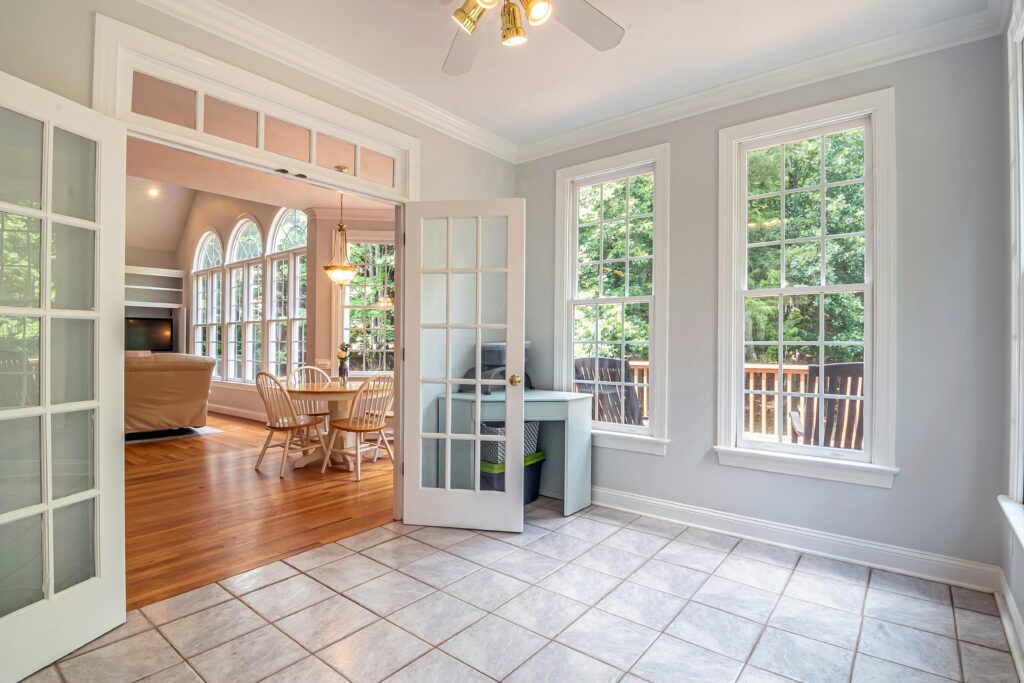
Sustainable wood brings a distinct aesthetic appeal that resonates with modern architectural trends. The natural textures and warm tones of wood serve to create inviting spaces, enhancing the ambiance of a building. Architects often incorporate wood in flooring, wall cladding, and structural elements to harmonize with both indoor and outdoor environments. The adaptability of wood allows for innovative design approaches that celebrate its natural beauty while meeting functional requirements. Striking a balance between design and sustainability, wood has become a favored choice among architects for creating visually stunning, eco-conscious structures.
Health Benefits Associated with Wood Construction
Modern architecture increasingly considers the well-being of inhabitants, and using sustainable wood contributes positively to indoor air quality. Wood is known for its hygroscopic nature, meaning it regulates humidity levels, absorbing excess moisture in humid conditions and releasing it in drier times. This ability can lead to more stable humidity levels indoors, which, in turn, promotes respiratory health. Studies show that the presence of wooden materials positively influences mood, reducing stress and enhancing productivity. By creating spaces that feel welcoming and healthy, architects are beginning to realize the importance of sustainable materials like wood in improving the quality of life for building occupants.
Challenges and Considerations
While the advantages of using sustainable wood in architecture are clear, several challenges exist that must be addressed. One primary concern is the sourcing of timber from responsibly managed forests. Without proper certification and oversight, the risk of deforestation and habitat destruction increases significantly. Architects and builders need to perform due diligence to ensure that the wood products used meet sustainability standards. Some may argue about the longevity of wood compared to other materials. Advancements in wood treatment and construction techniques have proven that well-maintained wood structures can last just as long as, if not longer than, their concrete and steel counterparts. Therefore, overcoming these challenges is crucial to fully realize the potential of sustainable wood in modern architecture.
Future Trends in Wood Architecture
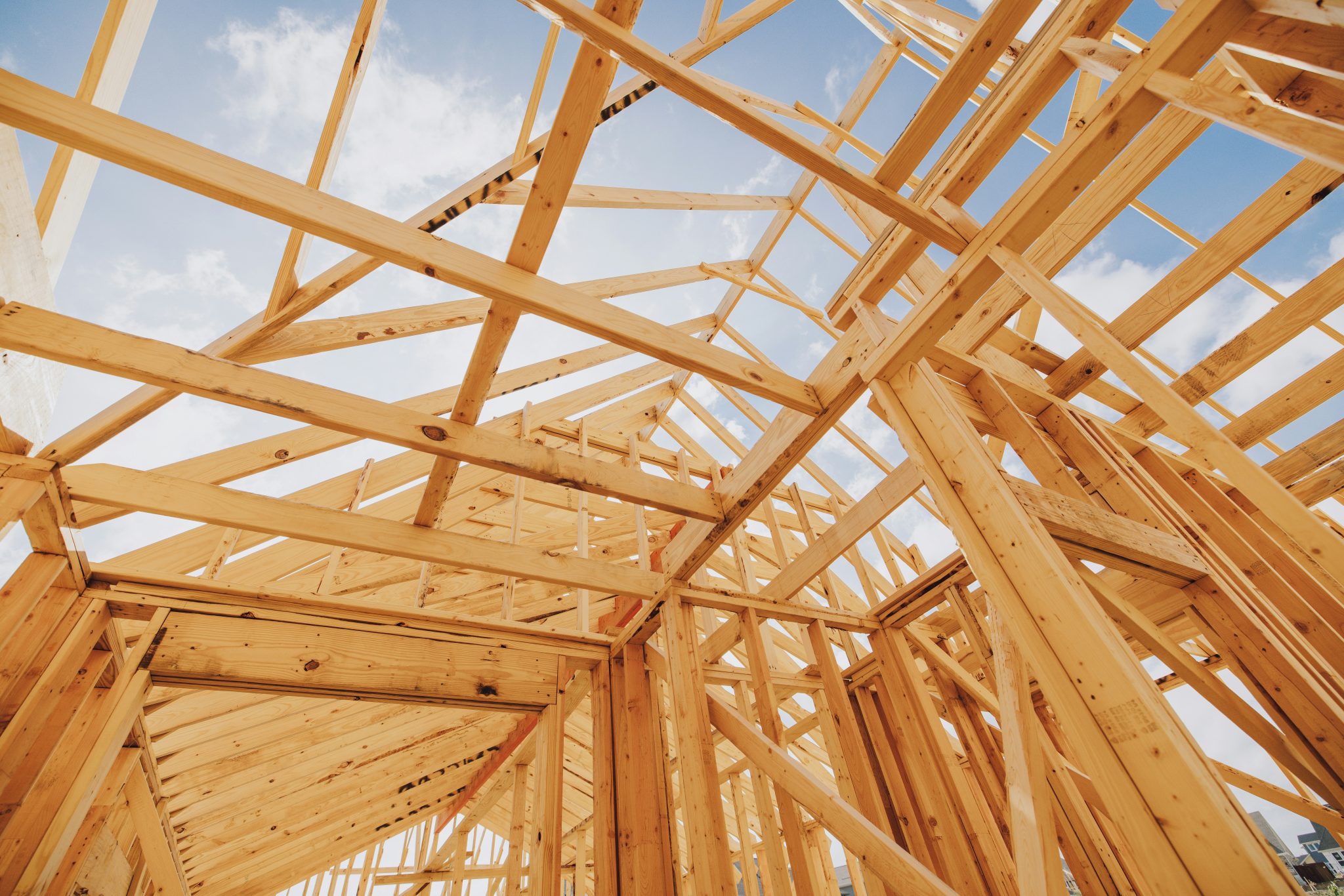
As we move toward an era of increased environmental awareness, the demand for sustainable wood in architecture is expected to grow. New technologies, such as cross-laminated timber (CLT), are allowing engineers and architects to push the boundaries of wood construction. CLT maintains the aesthetic appeal of traditional wood while offering enhanced strength, and allows for larger structures to be built without compromising on sustainability. As urban centers become more crowded, the versatility of wood provides opportunities to design taller, eco-friendly buildings. Innovations in wood processing and timber architecture will likely continue to evolve, further integrating sustainability into the architectural landscape. Architects and builders are aware that their material choices will shape the future of cities, integrating sustainability into the core of modern building philosophy.
Sustainable wood holds significant promise for modern architecture, offering numerous environmental, economic, and aesthetic benefits. Its role in improving indoor health and contributing to a sustainable economy solidifies its place in contemporary construction. Despite challenges related to sourcing and longevity, the innovations and trends in wood architecture suggest a bright future where sustainable materials are valued for their contributions to the environment and society.