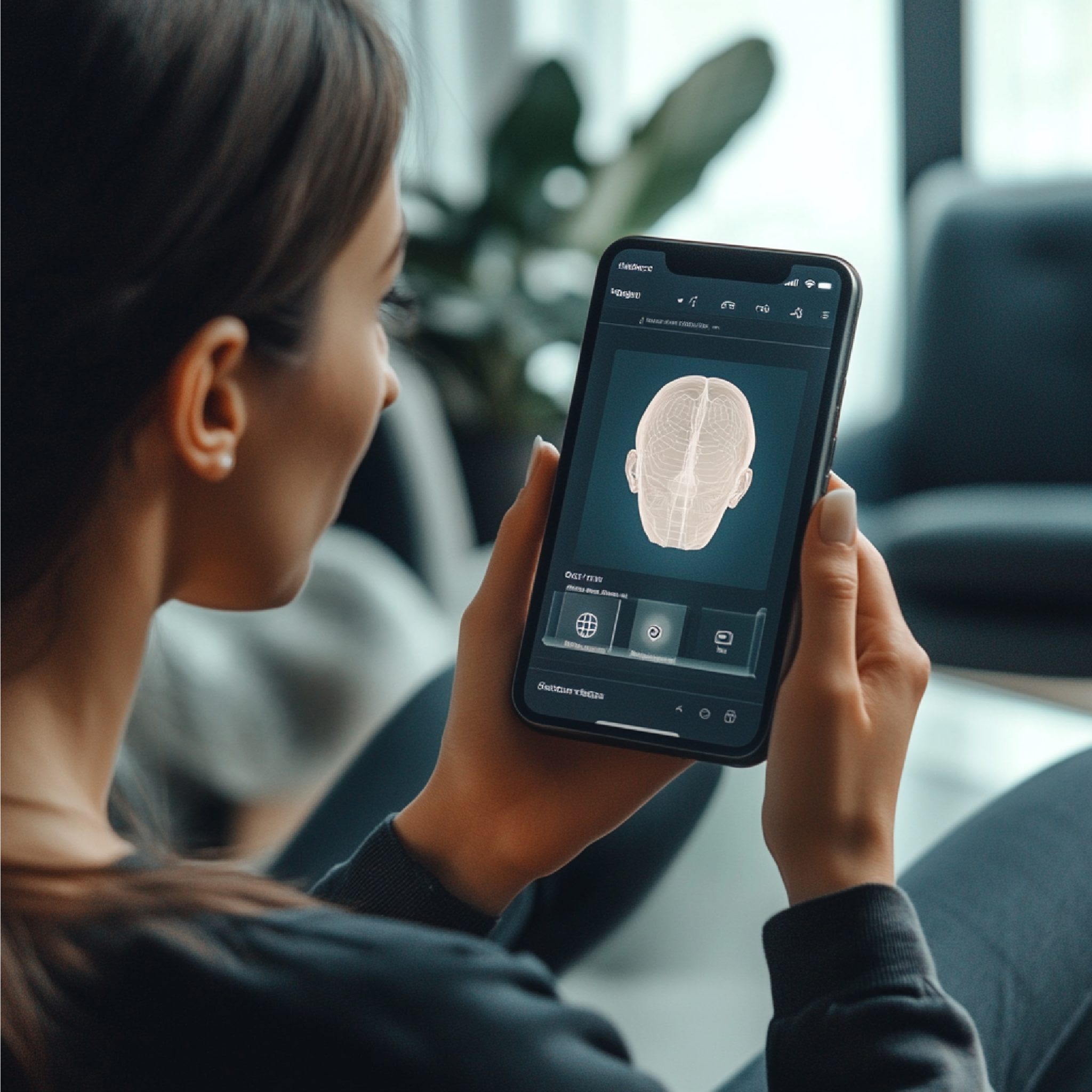
Memory sits at the center of almost everything we do — learning a new skill, remembering directions, or just trying to stay sharp at work. For years, people relied on repetition, flashcards, and notebooks.
But now, the way of memory improvement has shifted. Digital learning tools are becoming many people’s go-to solution because they’re easy to access, they adjust to your pace, and they simply fit our busy lives better.
Why Digital Tools Are Changing How We Train Memory
This shift from old-school paper methods to digital isn’t some trend that will disappear next year. It’s mostly because modern life demands quick learning and faster recall. Research backs this up: regular use of brain-training apps can sharpen recall, improve how fast you recognize patterns, and help build up cognitive “muscle.”
And unlike traditional methods, modern brain training solutions give you instant feedback. They adjust the difficulty, and they make the whole thing feel more like a game than homework.
George Jessel once joked, “The human brain starts working when you’re born and stops when you stand up to speak in public.”
As funny as it sounds, the point holds — memory needs practice, challenge, and some kind of structure. Digital tools happen to provide all three to ensure cognitive skill development.
What Digital Memory Tools Actually Do
Here’s a quick, real-world look at the main types:
- Spaced-repetition apps: These digital learning tools bring information back right before your brain forgets it.
- Gamified brain training: Well-structured games are for working on different cognitive skills at once.
- Note-taking and visualization tools: Diagrams, colors, and voice notes are great for memory retention.
How These Tools Help in Everyday Life
Languages – flashcards and spaced repetition make words stick faster.
Studying – step-by-step exercises help tricky stuff sink in.
Work skills – simulations and tutorials drill processes so you don’t forget them.
Daily tasks – reminders, visuals, and little challenges keep your memory active.
Creative stuff – games and puzzles build new connections in your brain.
Platforms like memoryos.com are good for memory improvement because they give structure — you don’t have to think about what to do next, you just do it.
Tips for Using Digital Tools Daily
- Short, steady sessions beat marathon cramming.
- Keep track of what’s improving — it actually shows you that the practice is working.
- Mix digital learning with real-life practice — teaching someone, drawing diagrams, or talking through what you learned.
Conclusion
We’re long past the days when memory courses and tutorials suggested repeating the same sentence 20 times. With digital learning tools, anyone can build better recall, stronger focus, and a more reliable memory. Combine them with consistent practice, and the improvements follow naturally.