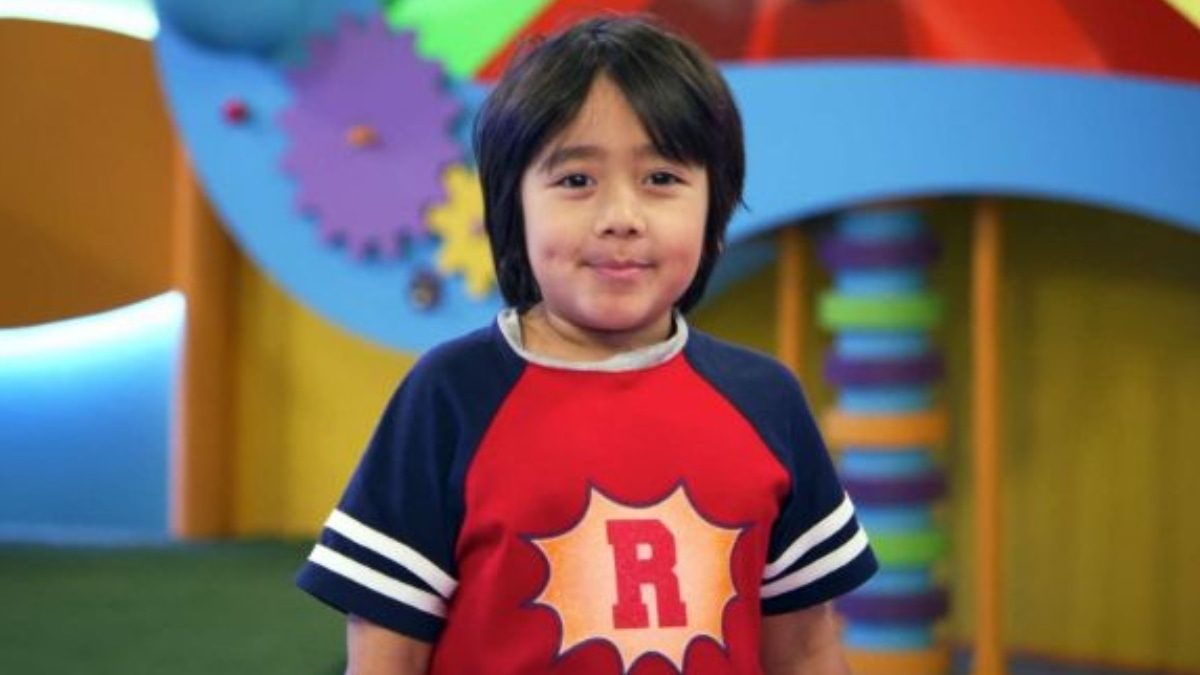
According to Forbes, YouTube’s highest-paid creator in 2020 was an eight-year-old boy who earned a staggering $29.5 million for playing with toys. That child, Ryan Kaji, was at the center of a modern entertainment revolution. What began as a single home video filmed by his parents launched a YouTube phenomenon that quickly grew into the global brand “Ryan’s World.” Today, his face isn’t just on video thumbnails; it’s on everything from toothpaste and sneakers to his own show on Nickelodeon, demonstrating how a simple concept transformed the rules of media and business.
The Simple Start: How One Toy Video Sparked a Global Brand
The idea for a media empire didn’t come from a boardroom; it came from a 3-year-old. In 2015, Ryan was an avid fan of toy review videos—a hugely popular YouTube format. After watching them, he asked his mom a simple question: “How come I’m not on YouTube when all the other kids are?” It was a question that would change his family’s life.
His parents, Shion and Loann Kaji, decided to indulge his hobby. At the time, they had no grand business plan; Shion was a structural engineer and Loann was a former chemistry teacher. Thinking it would be a fun family project, Loann took her son to the store, bought a Lego Duplo train set, and filmed him playing with it on her phone.
They uploaded that first video to a channel they called “Ryan’s Toy Review.” The early content was simple, authentic, and filled with a child’s genuine excitement. For several months, the channel remained a digital scrapbook with few viewers. But this unassuming hobby was about to collide with a viral moment that no one could have predicted.
What Really Happened to ‘Ryan’s Toy Review’? The Viral Video That Changed Everything
That viral moment arrived in July 2015. After months of obscurity, the family uploaded a video titled “GIANT EGG SURPRISE,” which featured Ryan opening a massive plastic egg filled with over 100 toys from Disney’s Cars franchise. The video exploded, with views jumping from thousands to millions almost overnight. To date, that single video has been watched over a billion times, marking the point when a family hobby transformed into a global phenomenon.
The video’s success was a perfect match for YouTube’s recommendation system. The platform’s algorithm favors content that keeps people watching. Children were captivated by the “Giant Egg Surprise,” watching the entire video to see every last toy. YouTube’s algorithm noticed this high watch time and began recommending it to millions of other families, creating a snowball effect.
With this newfound fame, the channel’s original name, “Ryan’s Toy Review,” became too limiting. His parents realized the brand could be about more than just unboxing products. They strategically rebranded to “Ryan’s World,” opening the door for a wider variety of content, including science experiments, family vlogs, and animated adventures.
From YouTube Views to Toy Aisles: How Ryan’s World Got into Stores
To make the leap from YouTube views to retail shelves, the Kaji family turned to brand licensing. This is a deal where a company pays for the right to use a popular name—in this case, the Ryan’s World brand—on its products. Instead of building factories, the family could essentially “rent out” Ryan’s fame to experts in manufacturing and sales.
The breakthrough came in 2018. Partnering with kids’ media company Pocket.watch, the family launched a massive, exclusive line of toys and clothing at Walmart. Suddenly, the digital star was a physical presence in nearly 5,000 stores. The launch was a blockbuster success, proving that a YouTube audience would show up at the cash register.
This created a powerful cycle. The YouTube channel became the world’s most effective commercial for its own merchandise. Kids would see Ryan play with a new mystery egg in a video, then spot that exact product in the toy aisle days later. The videos drove sales, and the success of the sales justified creating even more products, requiring a dedicated team to handle the growing empire.
Who Really Runs the Show? Meet Sunlight Entertainment, The Family’s Production Company
As revenue from merchandise and brand deals poured in, a simple home video setup was no longer sufficient. To professionalize their work, the Kajis established their own Sunlight Entertainment production company in 2017. This move transformed their family project into a legitimate media business, responsible for everything from video production to managing global partnerships.
For those wondering who are the parents from Ryan’s World, Shion and Loann Kaji, this marked a massive career shift. Shion left his job as a structural engineer, and Loann, a former chemistry teacher, stepped into executive roles as President and Managing Partner. They were now overseeing a rapidly growing staff and making multi-million dollar business decisions.
Today, Sunlight Entertainment is a bustling studio with over 30 employees, including animators, editors, and marketers. Just as the family itself expanded—many fans ask how old are the Ryan’s World twins, Emma and Kate, who are now toddlers—so did the company’s scope. This dedicated team produces the foundation for the entire brand, paving the way for even bigger projects.
Creating a ‘Mini-Disney’: How the Brand Conquered TV, Games, and More
Simply making YouTube videos was never the final goal. The strategy was to create a self-feeding loop, much like a mini-Disney. A popular YouTube video creates demand for a toy. That toy’s success justifies a TV show. The TV show, in turn, introduces new fans to the characters, sending them back to YouTube. Each part of the business powers the others.
This flywheel effect pushed the brand beyond the internet. In 2019, Ryan’s Mystery Playdate launched on Nickelodeon, putting him in the same league as other kid-centric superstars. Soon after, video games like Race with Ryan appeared on major consoles, further cementing his place in mainstream entertainment.
A key part of this expansion was developing a universe of animated characters. Personalities like the video-game-loving Combo Panda and the sweet-toothed Gus the Gummy Gator became stars in their own right. This was about creating intellectual property that could have its own merchandise and longevity, ensuring the brand could thrive for years to come.
Even as they expanded, the team doubled down on their YouTube foundation, creating a network of channels to capture different audiences:
- Ryan’s World: The main hub for challenges and vlogs.
- Combo Panda: Focused on gaming content.
- Gus the Gummy Gator: Features animated adventures.
- EK Doodles: A channel dedicated to crafts with his twin sisters.
This massive digital and retail presence, however, did not grow without raising serious questions.
The Controversies Explained: Is Ryan’s World Harming Kids?
This enormous influence inevitably attracted scrutiny. In 2019, a consumer watchdog group filed a complaint with the Federal Trade Commission (FTC), arguing that the channel deceived its preschool-aged audience, who were too young to understand the difference between a genuine review and a paid promotion.
The heart of the issue was “stealth marketing.” To a five-year-old watching Ryan play with a toy, it’s just fun. But if a company paid for that placement and the sponsorship isn’t made crystal clear, it’s an advertisement disguised as entertainment. The watchdog group claimed that nearly 90% of Ryan’s videos included a paid product recommendation, blurring the lines of child influencer laws.
Beyond legal questions, the channel sparked a broader ethical debate about consumerism. Critics argue that a constant stream of new toys teaches children to value material possessions and encourages a “buy, buy, buy” mentality. The business model, they point out, is built on generating desire for new products in a vulnerable demographic. The Ryan’s World controversies raised more than just business problems; they touched on personal, ethical questions.
What Happens When a Child’s Job Is Being a Child?
The Ryan Kaji phenomenon is more than a lucky break—it’s a masterclass in turning authentic connection into a global brand. It provides a modern blueprint for moving from a simple YouTube video to toy aisles and television screens, all powered by an algorithm that rewards engagement.
His story demonstrates that the most effective marketing is often entertainment itself. The brand’s flywheel—where content drives commerce and commerce funds new content—redefined the potential of a digital-first intellectual property. However, this success also serves as a crucial case study in the ethical complexities of child stardom and marketing in the digital age.
As regulators and parents grapple with the blurred lines between content and commerce, the world Ryan built continues to thrive. Ryan Kaji may one day outgrow his toy-filled empire, but the path he forged has permanently altered the landscape of entertainment, business, and childhood itself.