How Wealthy Americans Are Shifting from Buying Things to Mastering Experiences
The traditional markers of affluence are evolving. While luxury goods and premium real estate remain part of the equation, a growing segment of high-net-worth individuals are redirecting discretionary spending toward skill acquisition and experiential learning. From professional culinary training to advanced piloting certifications, the modern luxury consumer increasingly measures success by capability rather than accumulation.
A 2025 report from the Luxury Institute found that 67% of affluent consumers under 50 now prioritize “mastery experiences” over material purchases when allocating discretionary income. This shift is reshaping entire industries, from hospitality to outdoor recreation, as providers adapt to serve clients who want to leave with a credential, not just a memory.
Why Skill-Based Luxury Resonates with Today’s Wealthy
The appeal of experiential luxury goes beyond trend-chasing. Psychologists at the University of Texas found that spending on experiences produces longer-lasting satisfaction than equivalent spending on physical goods. The “hedonic adaptation” that causes the thrill of a new purchase to fade within weeks rarely applies to skills that continue providing value indefinitely.
For high-net-worth individuals, the draw is also social. Mastering a demanding skill provides authentic conversation currency in circles where material wealth is taken for granted. Earning a sailing certification, completing a sommelier program, or learning to fly a helicopter creates personal narratives that differentiate in ways a luxury watch cannot.
The communities that form around skill-based pursuits add another layer of value. When accomplished professionals invest time in learning together, the bonds formed tend to be deeper and more lasting than those created at passive social events. Shared challenge creates connection that shared consumption rarely matches.
Sailing: The Intersection of Skill, Nature, and Prestige
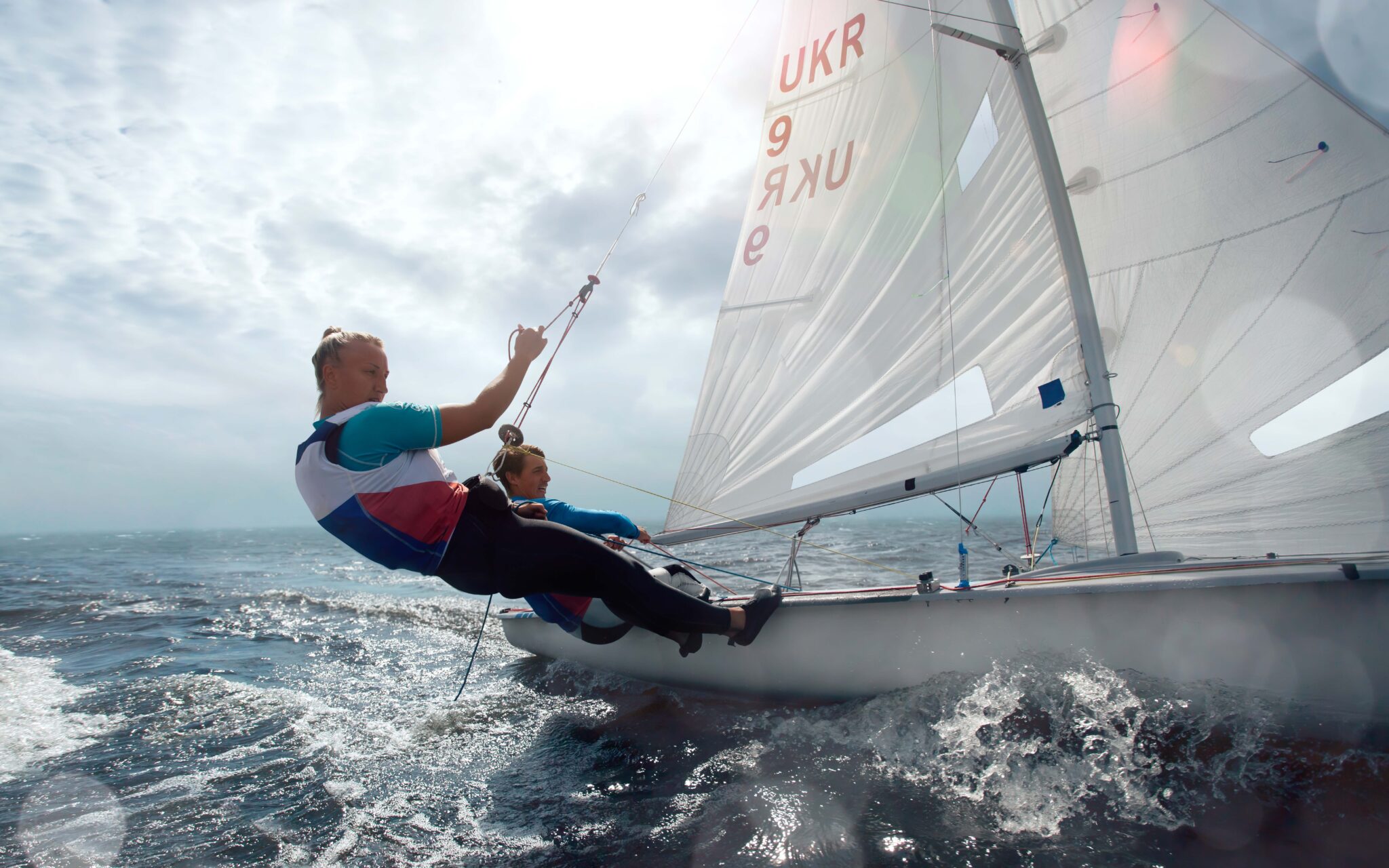
Among the experiential luxuries gaining traction, sailing occupies a unique position. It combines genuine physical skill development with access to exclusive natural environments and a centuries-old tradition of seamanship that carries inherent prestige.
Certified sailing programs have seen significant enrollment growth from professionals in finance, technology, and law. One prominent sailing school in Marina del Rey reports that over 60% of their adult students are executives or business owners seeking both a new skill and a departure from screen-dominated professional lives.
The American Sailing Association certification pathway provides a structured progression that appeals to achievement-oriented learners:
- Basic Keelboat (ASA 101): Foundation skills for sailing vessels up to 26 feet
- Basic Coastal Cruising (ASA 103): Multi-day passages and coastal navigation
- Bareboat Chartering (ASA 104): Independent vessel command for charter vacations
- Celestial Navigation (ASA 107): Traditional wayfinding using stars and sextant
Each level builds on the previous one, creating a long-term learning journey that can span years. For individuals accustomed to setting and achieving professional goals, this progressive structure provides familiar satisfaction in an entirely new domain.
The Economics of Experiential Luxury Investment
From a pure financial perspective, skill-based luxury spending often delivers superior value compared to material purchases. A sailing certification that costs between $1,500 and $5,000 provides a lifetime credential that unlocks charter opportunities worldwide. Compare this to a luxury handbag at the same price point, which depreciates the moment it leaves the store.
The downstream experiences enabled by skill acquisition multiply the initial investment’s return. A certified sailor can charter vessels in the British Virgin Islands, the Greek Cyclades, or Croatia’s Dalmatian Coast, transforming future vacations into active adventures rather than passive resort stays. The certification becomes a key that opens doors for decades.
Corporate applications add further value. Sailing excursions have become popular team-building activities for executive groups, and having certified sailors within the organization enables more meaningful, self-directed experiences. Several Fortune 500 companies now sponsor sailing certifications as part of their executive wellness programs.
Other Skill-Based Luxuries Gaining Momentum
Sailing is part of a broader landscape of skill-based luxury experiences attracting affluent consumers.
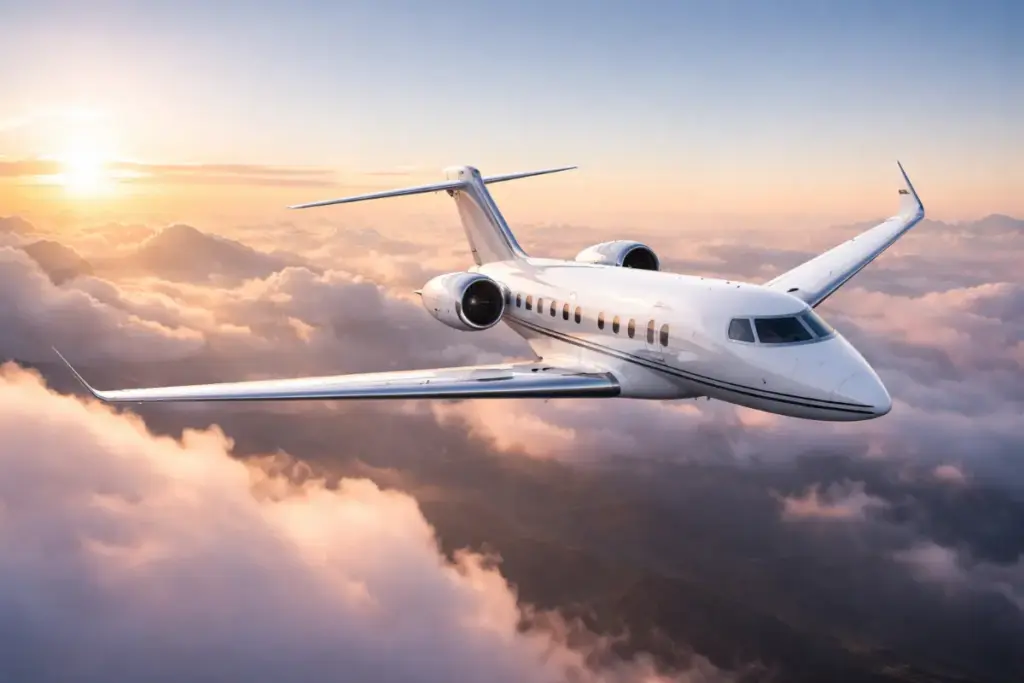
Aviation training has seen a 24% increase in private pilot license enrollments since 2023, driven partly by the same demographic seeking sailing certifications. The appeal is similar: a demanding skill that provides ongoing utility and access to exclusive experiences.
Professional culinary programs designed for non-professionals are filling classes with executives who want to master French technique or Japanese knife skills. Programs like those at the Culinary Institute of America now offer intensive courses specifically structured for working professionals.
Wilderness survival training, once associated with military preparation, has been repackaged as a luxury experience. Programs in Montana and Colorado charge premium rates for multi-day immersive courses that teach fire-making, shelter construction, and backcountry navigation.
Even traditional arts are seeing renewed interest from wealthy learners. Private instruction in classical piano, oil painting, and woodworking offers a counterbalance to the digital intensity of modern professional life.
What This Shift Means for Luxury Service Providers
The experiential luxury trend carries significant implications for businesses serving affluent clients. Properties and programs that can offer credentialing, progression pathways, and community belonging will capture spending that previously went to retail and hospitality.
Coastal destinations are particularly well-positioned to benefit. Locations that combine sailing instruction with luxury accommodation, fine dining, and networking opportunities create compelling packages for the skill-oriented traveler. Marina del Rey, Newport, and Annapolis have all seen new businesses emerge at this intersection.
The key differentiator for successful experiential luxury providers is authenticity. Affluent consumers can easily distinguish between genuine skill development and a curated photo opportunity disguised as learning. Programs led by credentialed instructors with real-world expertise outperform those that prioritize aesthetics over substance.
The Lasting Value of Mastery
Perhaps the most compelling aspect of the experiential luxury shift is its alignment with human psychology. Abraham Maslow’s hierarchy of needs places self-actualization at its peak, and skill mastery is one of the most direct paths to that summit.
For individuals who have already achieved financial security, the next frontier of fulfillment often involves testing personal limits and discovering new capabilities. Whether that means navigating a 40-foot sailboat through a narrow channel, executing a perfect French mother sauce, or landing a Cessna in crosswind conditions, the satisfaction of earned competence is deeply personal and impossible to purchase outright.
This is what makes experiential luxury fundamentally different from its material counterpart. A luxury car signals wealth. A sailing certification signals something more nuanced: the willingness to be a beginner, the discipline to persist through difficulty, and the confidence to command a vessel on open water. In a world where nearly anything can be bought, the things that must be earned carry increasing value.