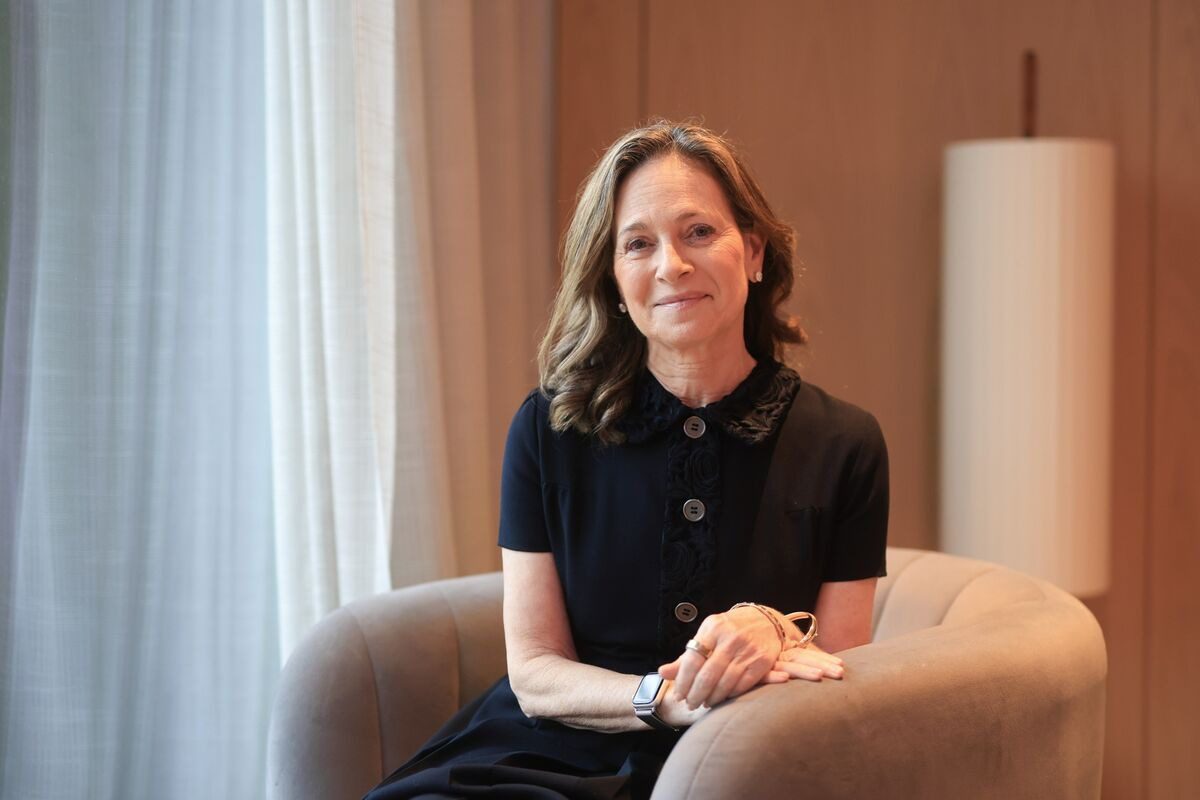
From Wall Street equity analyst to global head of private wealth at Blackstone, Joan Solotar has carved out a singular vantage point in the world of alternative investments. In this conversation with Impact Wealth, she shares her career journey, the inner workings of Blackstone’s private wealth business, and why private markets can be increasingly crucial for family offices and individual investors navigating a shifting economic landscape.
Q&A with Joan Solotar, Global Head of Private Wealth Solutions, Blackstone
Impact Wealth: Joan, could you tell us a bit about your professional background and how you came to lead Blackstone’s private wealth business?
Joan Solotar: Absolutely. I began my career as an equity analyst covering financial institutions, initially at DLJ and then Credit Suisse. Later, I led equity research at Bank of America. Over those years, I worked on numerous IPOs for asset managers and investment banks—firms like Goldman Sachs, Dean Witter Discover, and DLJ, my former employer.
When Blackstone decided to go public, they hired me to help manage that process, develop shareholder relations, and lead strategic initiatives. At the time, we were focused on expanding globally and growing our institutional investor base—but we also saw a major opportunity in serving private wealth investors.
About 14 years ago, we formally launched the private wealth business, and about a decade ago, I was asked to build it into what it is today: a global, market-leading business with almost $280 billion from the channel across Blackstone funds. Our mission has been clear—to bring institutional-quality alternative investments to individual investors in a way that prioritizes transparency, lower fees, and a far better client experience than they’d historically had access to.
Impact Wealth: What sets Blackstone apart in delivering alternative investments to private wealth clients?
Joan Solotar: The core idea was simple: to make institutional-quality Blackstone investments available to eligible individuals with an excellent end-to-end client experience. Historically, many alternatives products aimed at individual investors came with high fees and were managed outside top-tier institutional processes.
We focused on lowering fees and improving structures and ensuring greater transparency. Beyond the products themselves, we’ve heavily invested in education, investor services, and marketing support for advisors. The goal is a seamless end-to-end experience, not merely selling a product.
A key differentiator is also the breadth of our platform. We’re not just private equity—we have leading franchises in private real estate, credit, infrastructure, and various sub-strategies. It allows us to offer investors highly diversified options.
Impact Wealth: Why should individual investors consider allocating to private markets?
Joan Solotar: Fundamentally for the same reasons institutions do. Private markets—like private credit, private equity, real estate—have historically delivered higher returns with lower volatility than their public market equivalents. For example, private credit has outperformed public credit indices with less price fluctuation, and the same is true across other alternative asset classes.
Private investments also provide meaningful diversification. The old 60/40 stock-bond portfolio isn’t always reliable anymore because correlations can spike in crises. Foundations, endowments, and sophisticated investors with higher allocations to alternatives have significantly outperformed peers over time.
One reason why private investments can be less volatile is how they’re valued. Unlike public markets, which can swing wildly day to day, private assets are generally not exposed to the same market noise.
Impact Wealth: Beyond flagship private equity funds, how does Blackstone provide private market access to clients?
Joan Solotar: Investors have access to the entire Blackstone platform: private equity, credit, infrastructure, and real estate. We’ve created open-ended strategies in each area, distributed through private banks, wirehouses, and financial advisors.
Most individuals don’t invest directly with us—it’s through their advisor relationships. This approach allows us to scale our reach while ensuring advisors have the tools and education they need.
Impact Wealth: Where do you currently see the most compelling opportunities in private markets? Are there specific sectors or themes you’re especially excited about?
Joan Solotar: Each asset class—private equity, real estate, credit, infrastructure—has historically outperformed its benchmarks. For example, in real estate, our yield-oriented U.S. core+ strategy has doubled the performance of the public REIT index since inception. We’re heavily invested in sectors like rental housing, data centers, and logistics. In general, we’re extremely thematic in our investing across all of our strategies. We identify megatrends with secular tailwinds, and then find opportunities within those themes across the Blackstone platform.
Technology trends like e-commerce, digitization, and AI drive many of our themes. We often focus on “picks and shovels” businesses supporting these trends—like data centers benefiting from AI rather than betting on which specific AI company wins. In fact, we’re the largest owner of data centers in the U.S.
Another example is franchise businesses, where Blackstone can add value through branding, marketing, and strategic growth.
The key is combining sector selection with the right assets and the ability to execute at scale. We leverage insights from across our platform—including data science—to identify patterns and anticipate trends rather than merely reacting to the past.
Impact Wealth: Blackstone is known for innovative deal structuring, especially to manage downside risk. Could you share an example of how you’ve structured investments creatively to protect capital?
Joan Solotar: Absolutely. Much of that innovation sits within our Tactical Opportunities business, which can invest flexibly across the capital structure. One example is CoreWeave, an AI-focused company we backed early on. Our structure provided downside protection, similar to debt, while preserving upside through equity participation like warrants.
Another example is our direct lending business, where we provide senior secured loans—effectively at the top of the capital structure.
Across all our strategies, the Blackstone mantra is “do not lose money.” We’re rigorous in underwriting and avoid purely speculative bets. We want investments that generate cash flow and that we can hold for the long term with confidence in their fundamentals.
Impact Wealth: Many individual investors worry about liquidity in private markets. How does Blackstone help clients balance illiquidity and risk?
Joan Solotar: That’s such a crucial distinction—liquidity and risk are different concepts. The first conversation any advisor should have with a client is determining how much illiquidity their portfolio can handle. In a perfect world, where you only optimize for return, yield, and diversification, a model might suggest allocating a large percentage to private markets. Realistically, many individuals can’t commit that much.
Education is key, and we spend significant resources on advisor training—via Blackstone University, virtual sessions, in-person meetings—to ensure advisors understand liquidity constraints and the benefits of compounding in private markets.
Different asset classes serve different needs. Private equity might appeal to those seeking higher total return. Private credit often appeals to those seeking steady income. Real estate and infrastructure sit between those extremes, sometimes with tax benefits like depreciation.
Ultimately, it’s about an advisor aligning the portfolio with the client’s goals and risk tolerance.
Impact Wealth: With geopolitical tensions globally—conflicts, inflation, rising rates—how do these factors impact Blackstone’s investment approach?
Joan Solotar: While we’re mindful of geopolitical risks, in Blackstone Private Wealth, we’re not trading public securities day-to-day. Blackstone has operated for 40 years through countless geopolitical shifts, and macro environments.
Our thematic approach and long-term orientation mean we rarely pivot dramatically in response to news headlines. Of course, macro factors influence valuations, deal flow, and timing for exits or IPOs.
A benefit of investing in illiquid assets is you’re not subject to daily fund flows or market swings. We focus on quality businesses and assets we’re willing to own for many years.
Impact Wealth: And finally, what proportion of Blackstone’s private wealth business comes from family offices and high-net-worth investors?
Joan Solotar: Of Blackstone’s nearly $1.2 trillion in total assets under management, almost $280 billion is from the private wealth channel across Blackstone funds. I can’t publicly break down that nearly $280 billion further into family office vs. other individual investors, but family offices are certainly a meaningful and growing part of our client base.