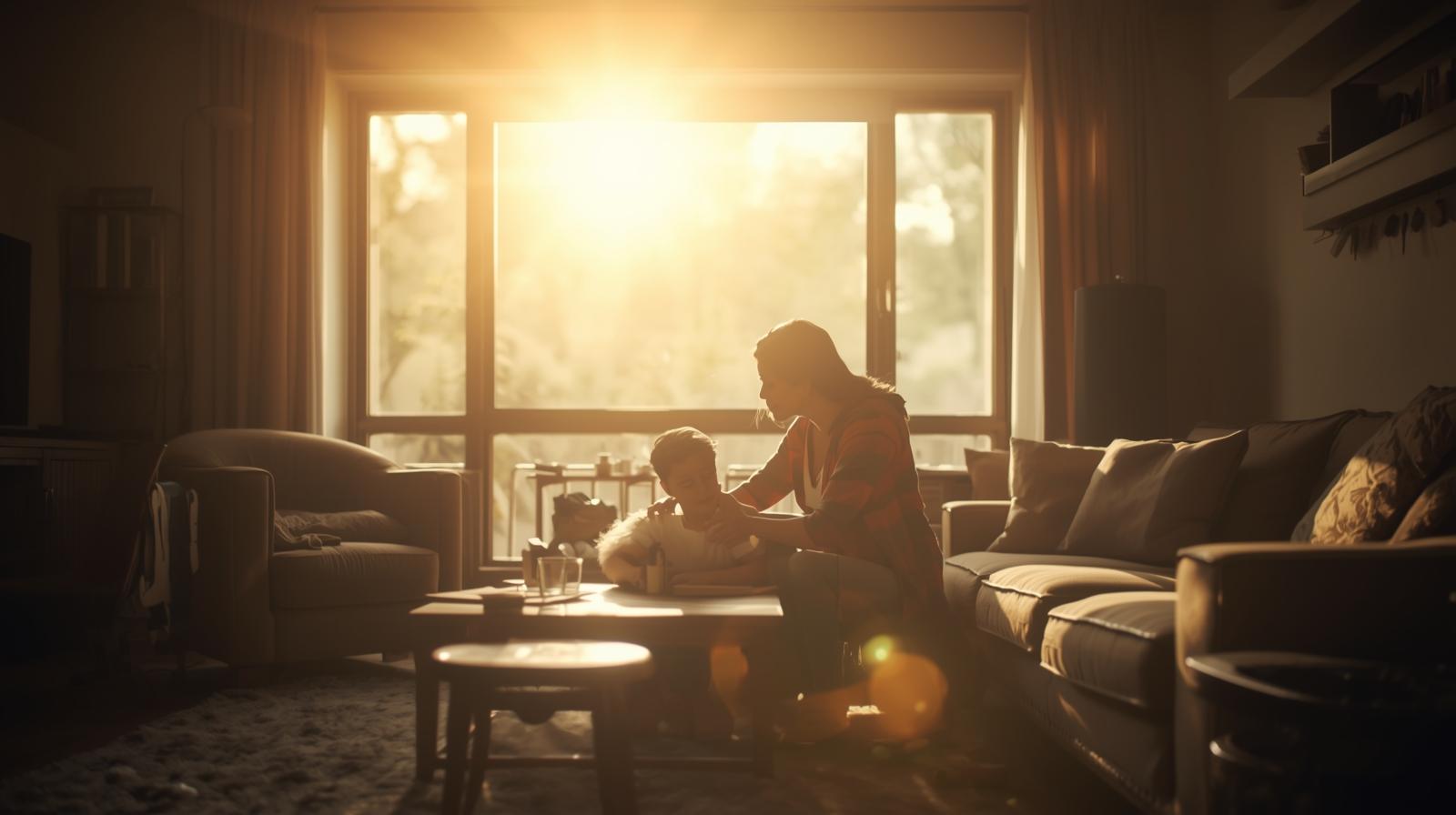
A home is more than physical space; it’s a place of comfort and security, where children can be themselves. For many families in need of effective and sensitive intervention to handle autism, Applied Behavior Analysis therapy at Home ABA Therapy offers that special chance for learning and growing in comfortable, familiar surroundings. Far from being clinic-based, this home-based ABA empowers children to forge ahead in big ways, developing major life and social skills within the frameworks of daily routines to yield more natural and longer-lasting progress.
In this article, we’ll explore why families increasingly choose In-Home ABA Therapy in North Carolina, its many benefits, and how it can help children achieve meaningful growth in the most familiar setting—their own home.
What is Home ABA Therapy?
Home-based ABA is a modality of behavioral treatment that builds communication, socialization, and daily living in children. It is based on the principles of Applied Behavior Analysis, wherein understanding behaviors and reinforcement of positive ones reduce the ones that interfere with learning or daily functioning.
Home-based ABA occurs within the comfort zone of the child’s home. The therapists design personalized programs, often integrating daily experiences like mealtimes, play, household chores, or activities that involve the family where the child could naturally learn.
Home ABA therapy creates an excellent collaboration between the therapist and the family members, which helps the parents become very active in their child’s learning.
Why Familiar Spaces Matter
Familiar settings do make quite a difference in the way children learn and process new information. Usually, they are more confident and relaxed within an environment they are used to; thus, ready for the session. Home-based therapy reduces anxiety in children for whom change or new surroundings can be very stressful and allows for consistency.
In places close to home:
- Children feel more secure and therefore have fewer emotional barriers to learning.
- Learning is part of real life rather than being an activity cordoned off in some sort of clinic.
- Skills generalize faster because they are practiced where they are actually needed-that is, at home.
- Family involvement increases when the parents and caregivers can easily observe and, when desired, join the sessions.
These combined factors have created an atmosphere of growth wherein home ABA therapy has been a natural choice for many.
Key Benefits of Home ABA Therapy
1. Comfort and Security
The comfort of the home environment removes many potential distractions or anxieties that may arise with unfamiliar surroundings. Quite often, children become far better learners when surrounded by their favorite toys, pets, and family rather than in less comfortable or unfamiliar settings. This comfort might result in more consistent engagement and therefore faster progress.
2. Personalized Learning Opportunities
Every home is unique, and therapy can be tailored for a child’s needs and specific living environment. A therapist will use common household items and daily activities as a channel for teaching the important skills of brushing teeth, setting the table, or following routines.
3. Family Involvement and Empowerment
With this approach, home-based ABA places the parents and caregivers directly at the front of the child’s learning process. They are able to observe a number of strategies, ask questions, and pick up techniques that can be carried over outside scheduled sessions. Such collaboration maintains consistency and hastens the child’s development.
4. Convenience and Flexibility
Home-based ABA therapy saves the family a great deal of time and energy since it can easily be scheduled and fitted into the everyday routine. Home-based ABA relieves busy parents or rural families from the stress resulting from travel to receive care-with no compromise in quality.
5. Building Real-Life Skills
In-home ABA targets practical skills the child may immediately apply in real life, such as communicating his needs, playing appropriately, or becoming part of the household routine. The fact that these were acquired in a natural environment guarantees easier maintenance of the skills and better generalization into other areas of life as well.
6. Improved communication and social skills
Clinicians model, and then practice with the client in real life, various communication strategies, such as greeting a family member, asking for help, or joining in with family games. The interactions, over time, allow the social understanding and confidence to be embedded into the child.
The Role of the Therapist in Home ABA Therapy
The main professional responsible for the design of a home-based therapy program and its implementation is either a BCBA or a trained ABA therapist. First, the therapist conducts an assessment of the child’s strengths and challenges and determines the goals. From here, the therapist develops a unique treatment plan that may involve key development areas like:
- Communication and language development
- Daily living skills, such as dressing, hygiene, and mealtime routines
- Social interaction and playing
- Emotional regulation and coping mechanisms
- Behaviour management and reinforcement techniques While working with the child directly.
The therapist also trains family members on reinforcement principles for use in daily activities. The child thereby is not limited to learning during specific sessions. Learning is approached as a collaborative process.
Building Stronger Family Relationships
One of the most powerful things about home ABA therapy is how it strengthens family relationships. When parents, siblings, and caregivers are involved in therapies, this helps them more fully understand the child’s behavior and improvements. When everyone is involved, frustration goes down while communication improves, thus becoming a united support system for one another. Home-based therapy may also foster a sense of empathy and teamwork in the family. Every small success, from a new word to an easier morning routine to a shared laugh, is cause for celebration in which everyone can participate.
How Home ABA Therapy Supports Long-Term Success
Home ABA is not about short-term goals, but it’s all about the sustainability of the change in the long run. The focus on real-life, everyday skills best equips the children to adapt to new challenges as they grow and mature.
Long-term benefits may be as follows:
- Increased independence in daily activities
- Improved communication and social interactions
- Reduction in problematic behaviors
- Stronger family bonds
- Increased confidence and self-esteem
These also explain, in part, why so many families see home ABA therapy as an investment not only in their child’s learning but in the quality of life for the entire family.
Why Families Choose Home ABA Therapy
Because home ABA resonates with what matters most to any family member, namely comfort, routine, and closeness. It takes professional knowledge and marries it with the loving atmosphere of home so that every skill learned is relevant and useful. Be it helping your child enhance his/her communication, become independent, or just feel confident in the day-to-day activities he/she is involved in, home ABA therapy offers a loving yet effective way forward.
Conclusion
Home ABA therapy is one of the most effective and family-centered approaches to supporting the growth of children. It brings therapy into the comfort of your home, where children learn in a space with which they are most familiar; it is through this very familiarity that real and lasting progress is achieved. For parents seeking a balance of structure, support, and love, home-based ABA is so much more than just a service; it is a partnership that can make today’s moments the building blocks of progress. It is in the consistent collaboration and personalized strategies in home-based ABA that together you can take your child to his or her full potential-where they belong.