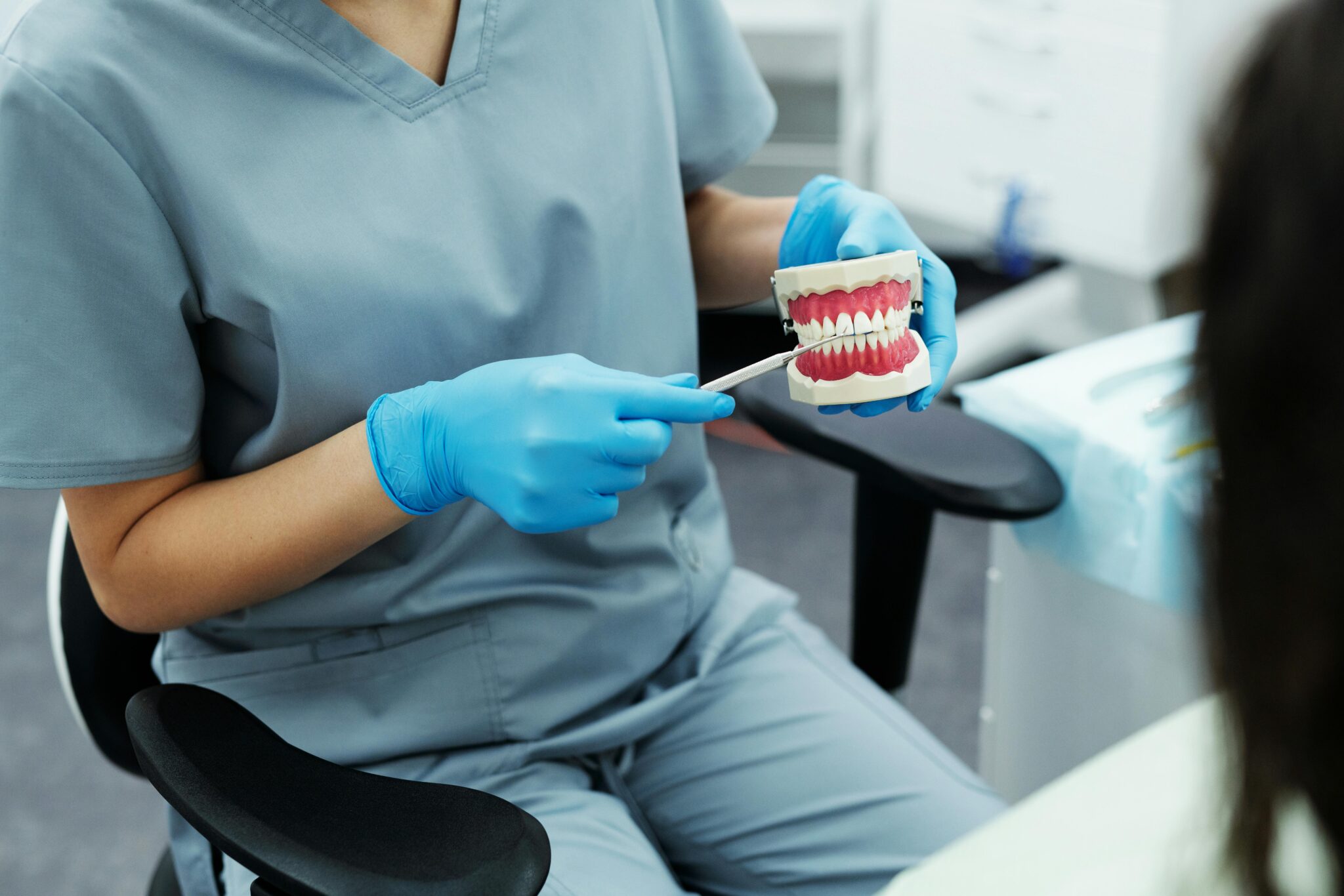
A chipped or cracked tooth can feel like a small problem at first. Then the ache creeps in, your jaw stays tight, and sleep gets rough. What starts in your mouth can ripple across your whole body.
Stress makes that ripple stronger. It changes how we clench, chew, and heal. It can nudge minor damage into bigger trouble. Understanding the loop between dental trauma and stress helps you protect your smile and your nervous system.
How Stress Primes Teeth For Trouble
Stress turns on fight-or-flight. Muscles tighten, including those that move your jaw. When that tension lasts, enamel takes the hit, tiny cracks spread, and the risk of breakage climbs.
A fresh chip is not just a cosmetic issue. Acting early with fractured front tooth repair can shorten the recovery window, and it can reduce the stress load on your body. When a nerve gets irritated, pain signals can raise anxiety, and that anxiety fuels more clenching. It becomes a loop.
Nighttime is a risk zone. People often grind when they cannot release stress during the day. A newspaper feature noted that sleep bruxism affects a notable share of adults and is often linked with stress and certain habits like caffeine and alcohol.
Dental Trauma Is Common
Tooth injuries are not rare. Sports hits, bike falls, or biting a hard kernel can crack enamel fast. Even a small fracture on a front tooth can change your bite and your mood.
Research in 2024 reported that many people experience at least one dental injury while young, often involving the front teeth. The number is high enough to treat dental trauma as a public health issue.
When damage happens, the mouth adapts. You may chew on the other side. Jaw muscles work unevenly. That uneven load can spur more wear, and stress rises as every meal becomes a reminder.
The Body’s Stress Response After A Tooth Injury
Pain is a stress signal. It raises heart rate and muscle tone. It shifts sleep and appetite. After a tooth injury, that signal can run day and night.
Inflamed tissue adds to the noise. Swelling makes you more sensitive to pressure and temperature. That can keep your nervous system on high alert.
Simple moves can help you reset:
- Use a cool compress on the cheek in short intervals.
- Keep meals soft and cut food into small pieces.
- Limit late-day caffeine so jaw muscles can relax at night.
Practical Steps To Break The Cycle
Start with protection. If you wake with jaw soreness, ask about a night guard. It spreads pressure and shields enamel while you sleep. Good posture and relaxed tongue position ease strain during the day.
Manage daily stress in small, steady ways. Box breathing, a short walk, or a warm rinse before bed can drop muscle tension. Track triggers like caffeine, alcohol, or late-night screen time and dial them back.
Finally, plan follow-up care. Polishing a rough edge, bonding a chip, or rebuilding a bite can stop micro-cracks from spreading. That dental stability lowers pain signals, which lowers stress, which protects your teeth against.

Mouth and mind talk to each other. A sore tooth can keep your nervous system on alert. A tense day can make your jaw clench and your enamel wear. Noticing the signs early helps you act before the cycle hardens.
You do not have to overhaul your life to feel better. Small dental fixes and simple stress habits, done together, build momentum. That calmer baseline shows up in your bite, your sleep, and your smile.