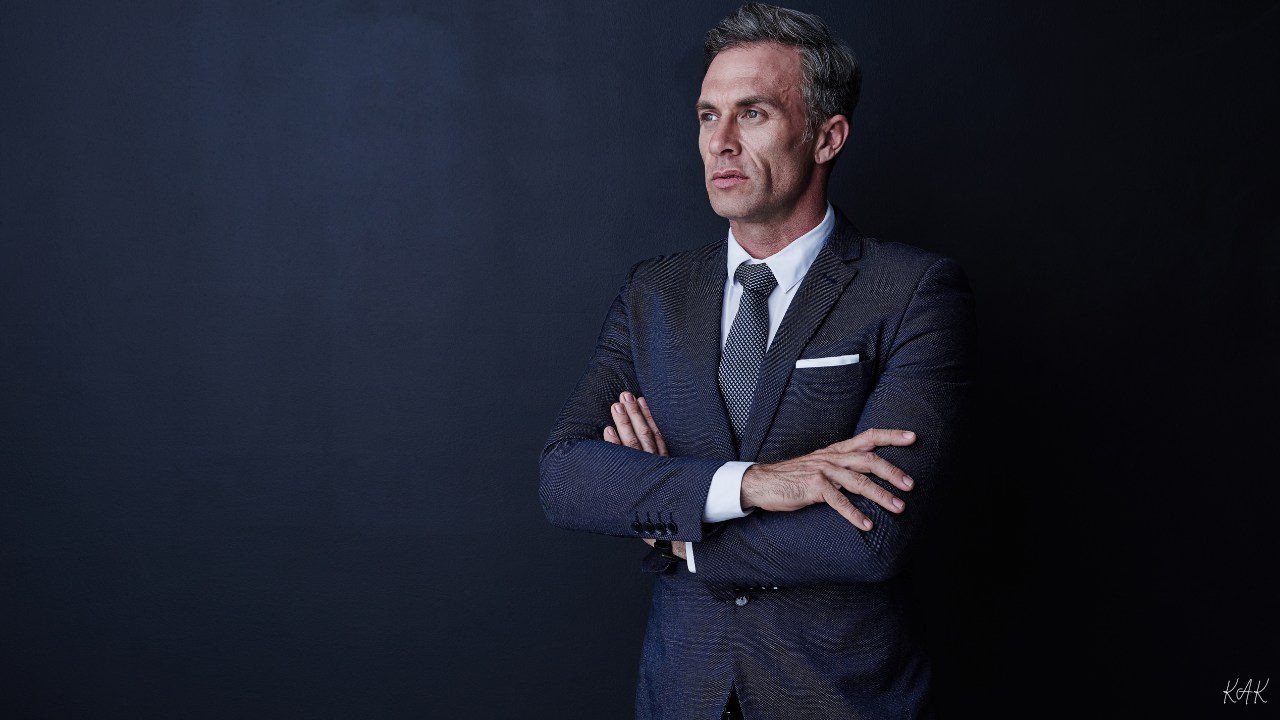
CEOs Are No Longer Just Executives—They’re Crisis Navigators
In today’s increasingly complex world, the role of a CEO has transformed dramatically. It’s no longer about chasing growth for growth’s sake or dominating quarterly earnings reports. Instead, the modern chief executive is a strategist, a technologist, a diplomat—and above all, a resilient decision-maker.
From global economic volatility and regulatory pressure to AI transformation and shifting consumer behavior, today’s leaders are navigating a multidimensional minefield. Simply put: the CEO playbook is being rewritten.
Recent interviews with high-profile executives like McLaren Racing’s Zak Brown, Nissan’s Ivan Espinosa, and UniCredit’s Andrea Orcel offer a rare behind-the-scenes look at how leadership is evolving in real time—and why adaptability has overtaken ambition as the new benchmark for success.
Zak Brown: Winning Isn’t Everything—Momentum Is
Zak Brown, CEO of McLaren Racing, leads in a world where milliseconds matter. Yet his leadership philosophy is surprisingly human-centered: build resilience, prioritize daily progress, and learn quickly from failure.
“You lose more often than you win,” Brown said in a recent interview with CNBC. “So you have to get comfortable with losing—and use it as fuel.”
Brown, who transitioned from professional driver to global CEO, has instilled a culture at McLaren that prizes incremental gains over perfection.
“If you create an environment where people want to go just a little faster every day, that’s how you keep momentum,” he added.
His message is clear: CEOs must cultivate not just winners, but learners.
The Great CEO Reshuffle: A Symptom of Global Turbulence
The pressure at the top is mounting—and many executives are stepping down. A 2024 report by Challenger, Gray & Christmas revealed a record 2,221 CEO departures last year, with 2025 continuing the trend. In February alone, 247 U.S. CEOs exited their roles, marking the second-highest monthly total ever recorded.
CEO Turnover at a Glance
| Month | Departures | Notable Context |
|---|---|---|
| Feb 2024 | 248 | All-time monthly record |
| Jan 2025 | 223 | Post-holiday transitions and restructuring |
| Feb 2025 | 247 | Second-highest on record (since 2002) |
Source: Challenger, Gray & Christmas
This turnover underscores the intense, high-stakes nature of modern leadership. CEOs must now manage not just financials, but geopolitical shocks, digital transformation, and rising stakeholder expectations—all at once.
Ivan Espinosa: Flexibility Is No Longer Optional
When Ivan Espinosa assumed leadership at Nissan in April 2025, he inherited a company at a crossroads. Within weeks, he implemented sweeping restructuring measures, including plant closures and workforce reductions.
But for Espinosa, survival hinges on one thing: agility.
“The environment is very tough. If you get overwhelmed, you freeze. And in today’s market, paralysis is fatal,” he explained.
Crucially, he also emphasized the importance of team alignment:
“What you cannot afford is a leadership team that isn’t rowing in the same direction.”
His stance reflects a broader truth: in today’s decentralized, fast-moving business climate, shared vision and strategic unity are more valuable than ever.
Andrea Orcel: The Rise of Political Risk
For Andrea Orcel, CEO of European banking giant UniCredit, leadership today is as much about diplomacy as it is about strategy. Orcel points to a rising—and sometimes unpredictable—variable in modern decision-making: government intervention.
“You can have everything else in place, but if political interests disagree, nothing moves forward,” he told CNBC.
This has been particularly visible in UniCredit’s recent M&A efforts. Government resistance stalled potential deals with Commerzbank and Banco BPM, highlighting how national priorities now shape corporate outcomes.
“Political risk is no longer peripheral. It’s central to any CEO’s strategy,” said Orcel.
This trend underscores the importance of policy fluency and stakeholder management for today’s top executives.
CEOs and the AI Imperative: Adapt or Fall Behind
Perhaps the most pressing transformation CEOs face is technological. As AI reshapes the global economy, boards and investors are now evaluating executives not just by revenue—but by their ability to harness artificial intelligence.
“Every CEO will be judged on how quickly they integrate AI to drive performance,” said Ravin Jesuthasan, futurist and author of Work Without Jobs.
Jesuthasan noted that some CFOs predict doubling business output with half the capital and half the workforce by 2030, thanks to AI efficiencies.
Future Efficiency Metrics (2025–2030 Projections)
| Metric | Past Model | 2030 Goal |
|---|---|---|
| Business Growth | 3x (2019–2024) | Maintain |
| Fixed Capital Requirement | 100% | ↓ 50% |
| Workforce Demand | 100% | ↓ 50% |
“What worked yesterday won’t be enough tomorrow,” Brown affirmed.
As organizations enter the AI accountability era, CEOs must lead with both technological fluency and ethical foresight.
For deeper insight into this shift, see: Harvard Business Review: How CEOs Can Lead AI Integration
The New CEO Profile: Traits That Matter in 2025 and Beyond
Today’s CEOs are expected to be multidimensional leaders capable of managing complexity with clarity and confidence.
Top Traits of the 2025 CEO
-
Adaptive Thinking – Agile and open to course correction
-
Emotional Intelligence – Skilled at motivating and managing people
-
Political Awareness – Sensitive to geopolitical and regulatory landscapes
-
Tech Savviness – Understands AI, data, and digital ecosystems
-
Purpose-Driven Vision – Balances profit with long-term impact
As companies like Starbucks, Boeing, and Nike usher in new leadership, these traits will be essential—not optional.
Final Thought: Leadership Reimagined
The evolving CEO mindset signals a fundamental shift in what it means to lead in the 21st century. Success is no longer defined by market share alone. Instead, it’s measured by resilience, integrity, innovation, and alignment—qualities that build companies equipped not just to grow, but to endure.
At ImpactWealth.Org, we believe these changes mark the beginning of a new leadership era—one defined not by how fast you win, but by how well you adapt.
Related read: Launching Your Side Business: The 10 Key Steps Every Entrepreneur Must Know (And Why Mindset Is Everything)