Motorcycling requires a specific kind of physical awareness that most drivers never have to consider while sitting in a car. Balance isn’t just a concept but a constant requirement for staying upright on two wheels. A rider must be in sync with the machine.
When substances enter the bloodstream, that essential connection between the brain and the muscles begins to fray. The subtle leans and counter-steering techniques become clumsy as the central nervous system slows down. Every small adjustment turns into a massive chore the body cannot perform.
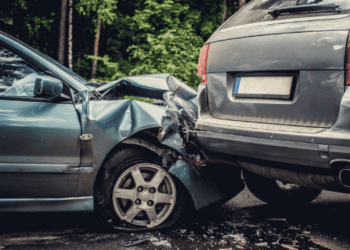
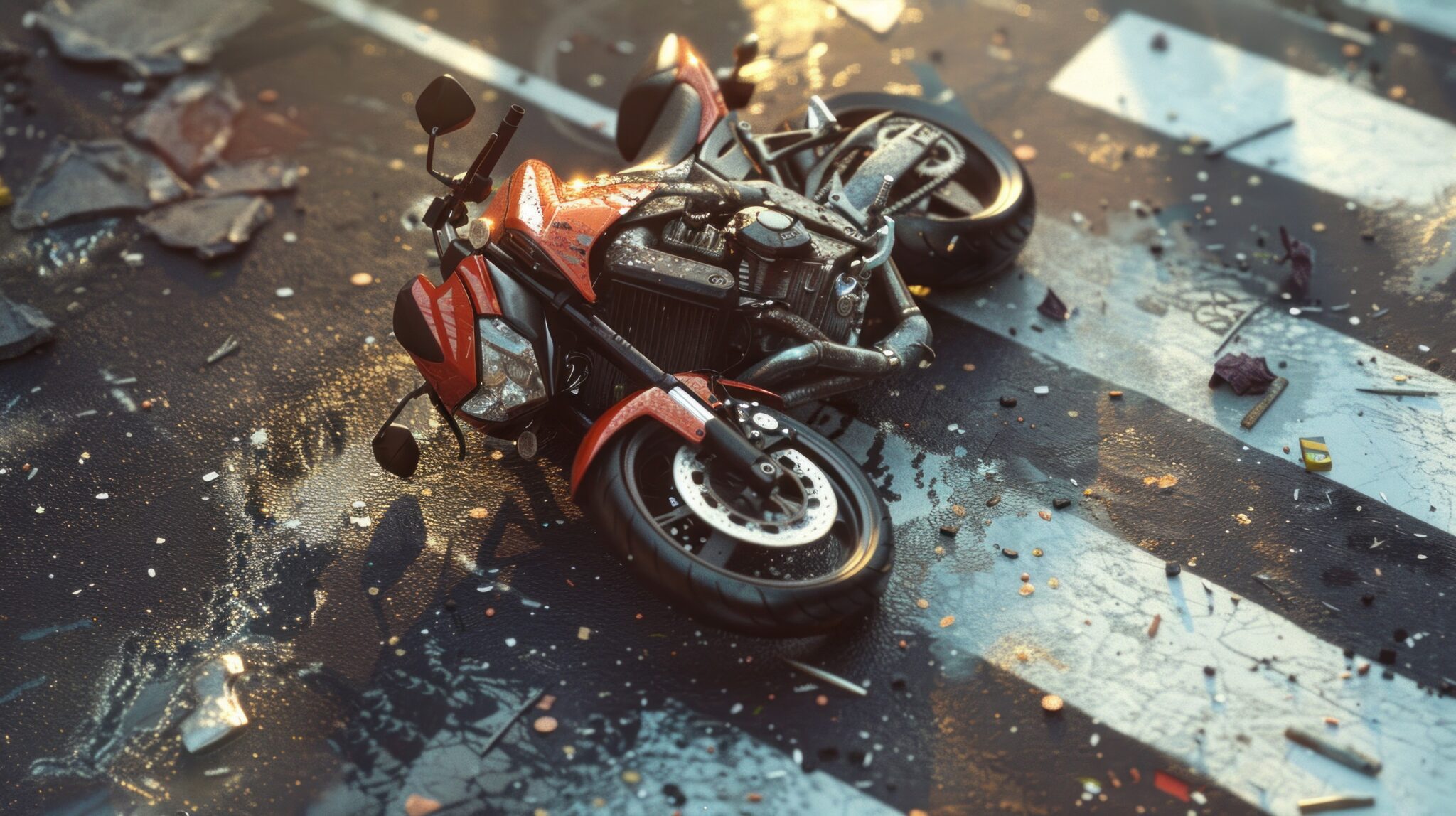
The result of this physical failure is often a tragic scene that changes lives. Emergency responders frequently witness the devastating impact of drunk driving motorcycle accidents. Freedom disappears the moment a person decides their judgment is stronger than the chemistry in their own veins.
The Physics of Faltering Balance
Alcohol directly attacks the inner ear where the vestibular system regulates the sense of position and movement in space. This area tells a rider how far they are leaning and if the bike is stable. Without accurate data, the brain makes terrible steering decisions.
As the fluid in the ear thins out, the sensation of spinning or tipping becomes overwhelming even when the bike is perfectly vertical. A rider might lean too far into a turn or fail to straighten out because their internal level is broken.
The physical act of holding up a heavy machine at a stoplight becomes an impossible task for the impaired muscles. Once the bike begins to tip past a certain point, the strength required to save it is simply gone. Gravity wins every single time.
The Psychology of Speed
Intoxication creates a false sense of invincibility that pushes riders to test the limits of their equipment and the road. The natural fear that keeps a person from pinning the throttle in a tight corner evaporates. Speed feels much slower than it actually is.
Inhibitions that usually dictate safe following distances and lane positions disappear under the influence of substances. Riders often find themselves weaving through traffic at dangerous clips without realizing the danger. The perception of time and distance is completely warped by the chemical interference.
By the time a hazard appears in the path of the bike, the window for a safe reaction has already closed. The brain takes too long to process the image of a stopped car. The hands and feet fail to apply the brakes correctly.
The Legal Fallout
Facing the court system after a crash is a grueling experience that often results in life-altering criminal convictions. Judges and prosecutors rarely show leniency when a rider puts the public at risk. Jail time and heavy fines are just the beginning of the journey.
Civil lawsuits add another layer of misery as victims seek compensation for medical bills and lost wages. A rider can be held personally responsible for millions of dollars in damages if they are found at fault. The financial burden can last for several decades.
Losing the legal right to operate a motor vehicle is a common outcome that strips away a person’s independence. Employment opportunities vanish once a permanent record shows a history of reckless behavior. The gavel falls hard on those who choose to ignore safety.
Vanishing Insurance Benefits
Most people assume their insurance policy will catch them after a fall, but impairment changes the rules of the contract. Providers often include specific clauses that void coverage if the operator is under the influence. This leaves the rider to pay for every cost.
Medical expenses for a motorcycle accident are notoriously high due to the lack of external protection for the body. Without insurance, a single trip to the emergency room can lead to immediate bankruptcy. The cost of a new bike is never recovered.
Future premiums will skyrocket to levels that make it impossible to ever own a bike again. Many companies will outright refuse to issue a policy to someone with a history of impairment. The safety net is gone when it is needed the most.
Conclusion
The choice to ride while intoxicated is a gamble where the house always has the advantage over the player. A motorcycle is a tool for freedom, but it becomes a weapon of self-destruction when the operator is not sober. The consequences of these moments are permanent for everyone involved.
Families are left to deal with the aftermath of a decision that could have been avoided with simple foresight. The physical pain of recovery is often matched by the intense guilt of causing harm to others on the road. Some mistakes simply cannot be fixed with an apology.
Respecting the machine means respecting the sobriety required to handle it with the necessary level of skill. Every journey should end in a driveway rather than an ambulance or a crowded courtroom. The road is only enjoyable when the rider stays focused on getting home alive.