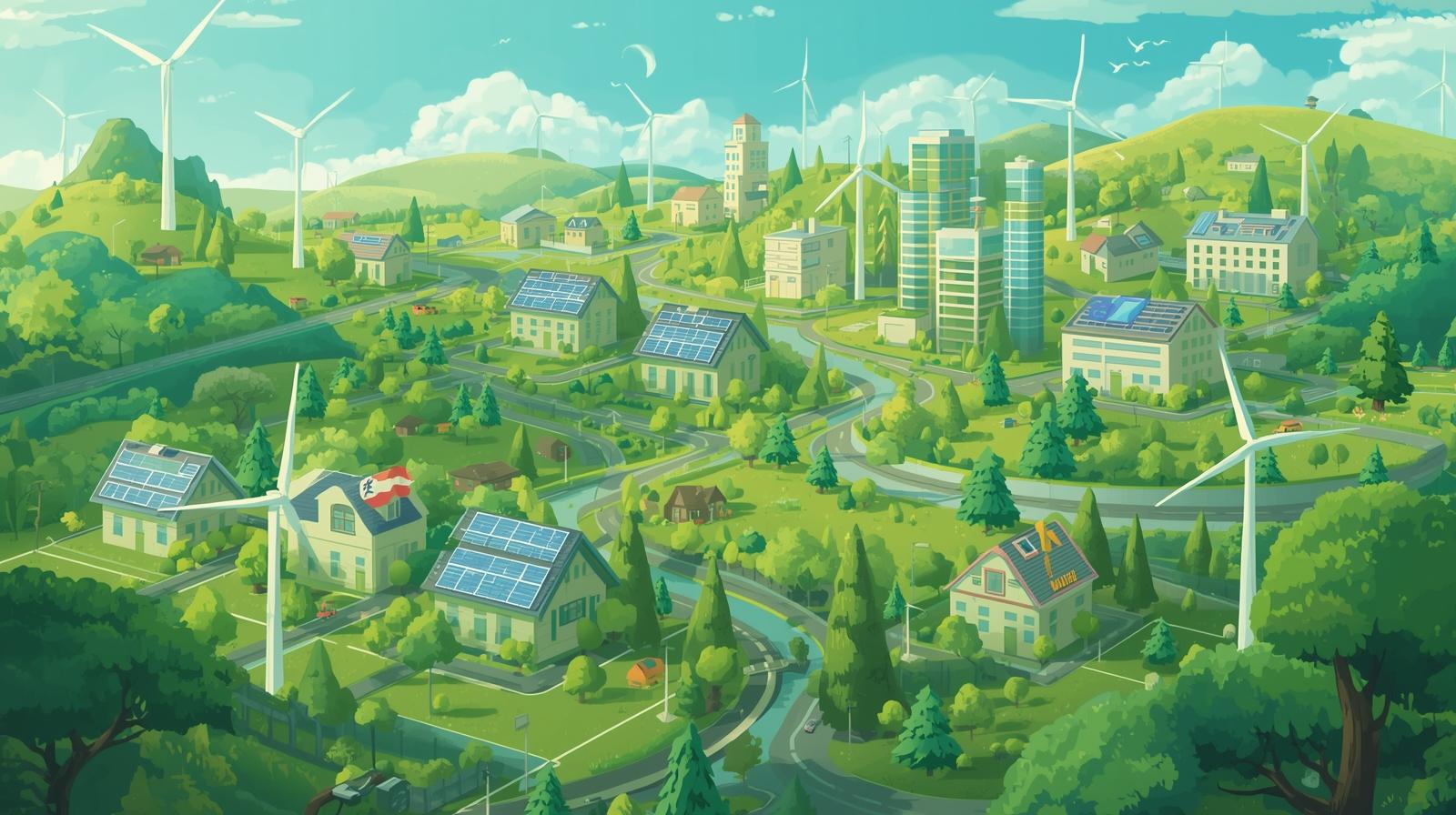
In the ever-evolving landscape of technology, green innovations are increasingly becoming pivotal in driving sustainability. These advancements not only promise to reduce environmental footprints but also offer strategic benefits for businesses aiming to stay competitive. As we delve into the realm of green technology, we will explore how clean energy solutions and green innovations are shaping a sustainable future.
Green innovations refer to the introduction of new or improved products, processes, or services that result in significant environmental benefits. They encompass a broad spectrum of technologies designed to reduce pollution, conserve resources, and promote efficiency. For industry leaders, understanding these innovations is crucial for aligning technological advancements with sustainability goals.
One of the most impactful areas of green innovation is clean energy solutions. These include solar, wind, hydroelectric, and geothermal energy technologies that provide sustainable alternatives to fossil fuels. The transition to clean energy is not just about environmental responsibility; it is also a strategic move that can lead to cost savings and energy independence.
For example, solar panels have become more efficient and affordable, enabling businesses and homeowners to generate their own electricity and reduce reliance on the grid. Wind energy, with its rapidly decreasing costs, presents another viable option for large-scale energy production.
Green technology innovations extend beyond energy production. They also include advancements in recycling, waste management, and sustainable agriculture. These innovations play a critical role in creating a circular economy where resources are reused and recycled, minimizing waste and environmental impact.
For instance, the development of biodegradable materials and eco-friendly packaging solutions is helping companies reduce their carbon footprint. Likewise, advancements in precision agriculture are enabling farmers to use resources more efficiently, enhancing crop yields while minimizing environmental harm.
Incorporating green solutions into business strategies is not merely an ethical choice; it is a smart business decision. Companies that embrace sustainability often enjoy enhanced brand reputation, customer loyalty, and competitive advantage. Furthermore, green innovations can lead to significant cost reductions and operational efficiencies.
Adopting green technologies positions a company as a leader in innovation and environmental responsibility. Consumers are increasingly favoring brands that demonstrate a commitment to sustainability, and this preference can translate into increased market share.
Moreover, businesses that invest in green solutions are better positioned to comply with environmental regulations and avoid potential fines or sanctions. This proactive approach to sustainability can safeguard against future market volatility and regulatory changes.
Implementing green innovations can lead to substantial cost savings. Energy-efficient technologies reduce utility expenses, while waste reduction initiatives minimize disposal costs. Over time, these savings can significantly impact a company’s bottom line.
For example, companies that invest in energy-efficient lighting and HVAC systems often see a rapid return on investment through reduced energy bills. Similarly, businesses that optimize supply chain logistics with green technologies can lower transportation costs and improve overall efficiency.
While the benefits of green innovations are clear, businesses must navigate certain challenges to effectively implement these technologies. Understanding the potential limitations and considerations is essential for successful integration.
Innovation managers and strategists must carefully evaluate the viability of green technologies within their specific industry context. This involves assessing the initial investment costs, potential return on investment, and alignment with overall business objectives.
Additionally, businesses should consider the broader impact of their green initiatives. This includes evaluating the environmental benefits, potential risks, and long-term sustainability of the chosen technologies.
Implementing green innovations can be complex, often requiring significant changes to existing processes and systems. Businesses may face barriers such as technological compatibility, workforce training needs, and resistance to change.
To overcome these challenges, it is crucial for companies to develop a clear implementation plan that includes stakeholder engagement, change management strategies, and continuous monitoring of progress.
As technology continues to evolve, the future of green innovations holds exciting possibilities. Emerging trends such as artificial intelligence, blockchain, and the Internet of Things (IoT) are set to further enhance sustainability efforts.
Artificial intelligence is playing a growing role in optimizing energy consumption and improving efficiency. AI-powered systems can analyze energy usage patterns, predict demand, and automatically adjust settings to reduce waste.
For example, smart grids and AI-driven energy management systems enable real-time monitoring and control of energy distribution, ensuring optimal use of renewable resources.
Blockchain technology offers increased transparency and traceability in supply chains, allowing companies to verify the sustainability of their products. By providing a secure and immutable record of transactions, blockchain can enhance accountability and trust in green initiatives.
The Internet of Things (IoT) is revolutionizing resource management by enabling real-time data collection and analysis. IoT devices can monitor environmental conditions, track energy usage, and optimize resource allocation, contributing to more sustainable operations.
Green innovations are reshaping the landscape of sustainability, offering businesses a pathway to environmental responsibility and competitive advantage. By embracing clean energy solutions and green technologies, companies can drive growth, enhance efficiency, and contribute to a more sustainable future.
As industry leaders, it is imperative to stay informed about emerging trends and continuously explore innovative solutions that align with both business and environmental goals. Through strategic integration of green innovations, we can build a more sustainable world for future generations.