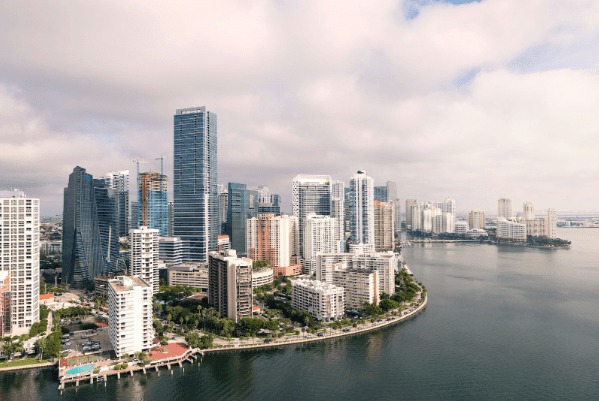
Miami no longer sells only sunshine and pool photos. It now sells access, culture, speed, and status in one package. The market backs that shift: Miami-Dade drew over 28 million visitors in 2024, a record, and those visitors spent $22 billion.
That scale gives luxury hotels room to experiment and guests more reasons to stay longer, spend more, and expect better.
Why Miami Now Feels Like a Luxury City Lab
If you want a quick snapshot of where high-end travel goes next, Miami offers a loud hint. In the first stretch after the intro, travelers can browse everything from private beach service to design-heavy suites and branded residences.
For a benchmark in that category, many guests look at luxury miami accommodations when they compare top-tier stay options.
Miami activities blend city energy with resort comfort. You can take a meeting in Brickell, shop in the Design District, book a chef-led dinner, and still end the day near the ocean. That combo feels rare in the U.S. market.
The city also attracts strong demand at the hotel level: Miami-Dade is ranked fourth nationally in hotel occupancy and third in average daily room rate among the top 25 U.S. hotel markets in 2024.
Luxury Guests Want More Than A Nice Lobby
The old formula looked simple: marble floors, expensive scent, polite staff, giant bill. Guests still enjoy that, of course. (Nobody rejects a perfect robe on principle.) But luxury travelers now ask for something deeper: identity, convenience, and story.
Miami fits that demand well. A stay here can feel different by neighborhood. South Beach offers theater and nightlife. Surfside leans polished and discreet. Coconut Grove gives a more residential, slower rhythm.
That matters for the future. High-end guests no longer want one template. They want a hotel that matches the trip mood: deal week, art week, family week, or “please nobody call me” week.
Access Has Become Part Of The Luxury Product
Luxury used to begin at check-in. In Miami, it starts with logistics.
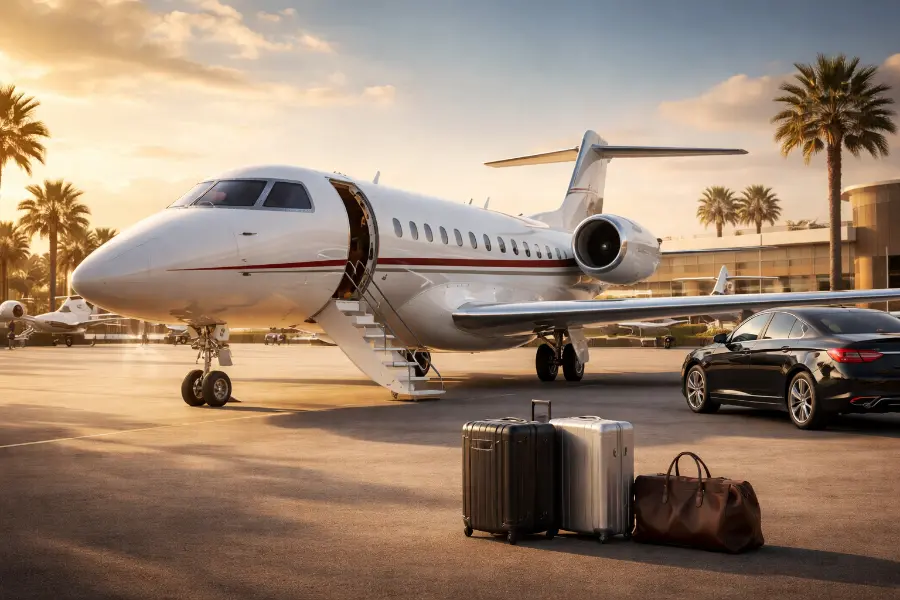
Miami International Airport hit a record 55.9 million passengers in 2024. That volume helps luxury hotels because it expands direct access for affluent travelers from Latin America, Europe, and major U.S. cities. Fewer connections mean less chaos, and less chaos feels luxurious.
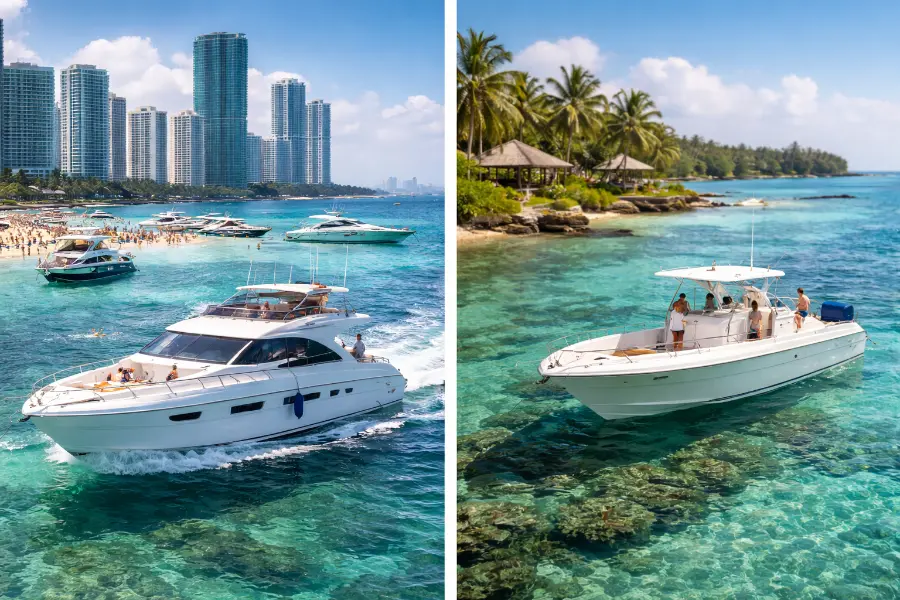
Then you add sea access. PortMiami posted a record 8,233,056 cruise passengers in fiscal year 2024, up 12.79% from the prior record. Cruise guests often book pre- and post-cruise stays, and premium travelers often seek higher-end properties for those nights.
Rail also shapes the new map. Brightline’s Florida network connects Miami with Orlando and key South Florida cities, and the company reported strong long-distance growth in late 2024. A luxury city stay now includes smooth regional movement, not just a pretty suite.
The New Status Symbol: Time, Privacy, And Flexibility
Money still matters in luxury travel. Time matters more.
High-end guests now reward hotels that cut friction. They want quick arrival, smart concierge support, privacy options, and flexible spaces that support both work and rest. Miami’s best properties respond with suites that feel like residences, strong dining on-site, and neighborhood access that reduces transit headaches.
This shift also explains why “urban escape” now beats “city hotel” as a concept. Guests do not want a base camp with a key card. They want a self-contained experience with city access on demand.
Miami supports that model because the city offers multiple luxury districts within short distances. A guest can choose energy or calm without a domestic flight, a long transfer, or a total itinerary reset. That kind of flexibility sounds small, but it often makes the trip.
Culture Has Moved From Side Activity To Core Amenity
Miami does not rely on weather alone anymore. Culture now drives room demand, rates, and prestige.
For high-end travelers, cultural access now works like a hotel amenity. Guests book around fairs, design events, chef collaborations, and private viewings. They want proximity, not just a ticket.
Miami wins here because it can host both global spectacles and niche experiences in the same week. One guest wants VIP art previews. Another wants a quiet dinner and a polished spa.
The city can serve both, often on the same block. That range gives luxury hotels more ways to position themselves without race-to-the-bottom pricing.
What Miami’s Luxury Future Will Likely Reward
Miami’s next phase of luxury city stays will favor operators who combine five things: access, privacy, cultural relevance, neighborhood identity, and service that saves time.
The city already shows strong momentum in each area through record tourism, airport volume, cruise traffic, and premium hotel performance.
The smartest properties will not chase “more stuff.” They will build a better flow. Guests remember how a trip felt, not how many gold accents the lobby had.
So yes, Miami still offers glamour. It also offers something more durable: a high-end urban stay that feels flexible, connected, and personal. That mix looks a lot like the future of luxury travel. And Miami, as usual, refuses to whisper it.