The Luxury Cars Evolution is not just a timeline of expensive vehicles; rather, it tells the story of rising engineering standards, refined craftsmanship, and changing customer expectations. In the early days, hand-built motor carriages served aristocrats and industrial elites. Over time, however, luxury adapted to new technology and social shifts. From those early handcrafted models to today’s AI-assisted electric flagships, the automotive world has constantly adjusted to innovation and demand.
Today, luxury is no longer limited to leather seats and chrome trim. Instead, it includes autonomous driving systems, over-the-air software updates, sustainable materials, and deep personalization options. As a result, understanding how luxury cars evolved helps explain where automotive excellence is heading in 2026 and beyond.
The Historical Journey of Luxury Cars
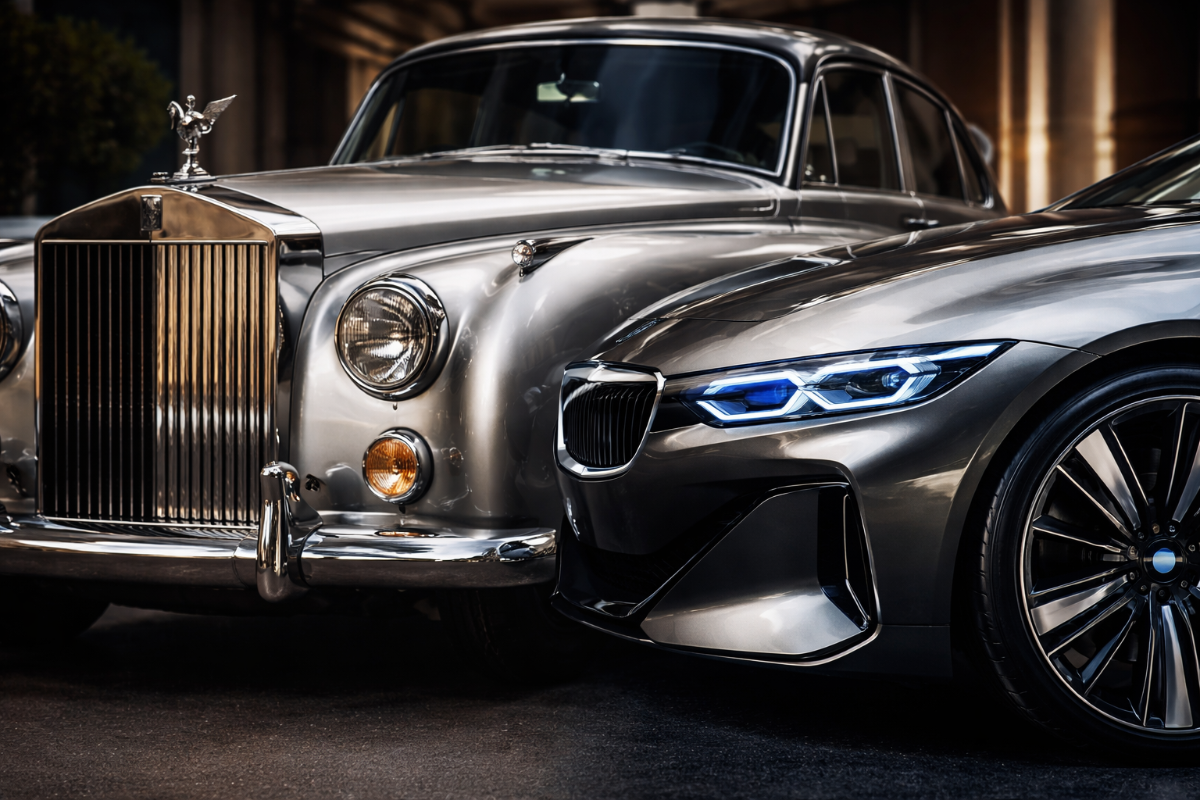
In the early 20th century, prestige motoring began to take shape. Brands such as Rolls-Royce and Bentley built vehicles that symbolize wealth and technical skill. At that time, cars were coachbuilt masterpieces, combining mechanical strength with handcrafted bodywork created by skilled artisans.
Meanwhile, in the United States, Cadillac became known for precision engineering and innovation. For example, it introduced standardized parts and electric starters, which improved reliability. At the same time, Mercedes-Benz rose in Europe as a leader in performance and technical progress. Therefore, luxury became closely linked with engineering excellence.
During the postwar economic boom, luxury cars became more available, yet they remained aspirational. Large V8 engines, heavy chrome detailing, and spacious interiors defined comfort and status. However, the oil crises of the 1970s forced manufacturers to rethink excess. As fuel prices rose, efficiency became just as important as size and power.
By the 1990s and early 2000s, the Luxury Cars Evolution entered a new phase. Global competition increased, and customer expectations shifted. For instance, Lexus challenged European brands by combining reliability with quiet comfort. Meanwhile, German manufacturers focused on handling precision and driving control. British brands, in contrast, leaned further into heritage and handcrafted detail. Consequently, luxury became more diverse and globally competitive.
What Defined Luxury in Early Automotive Eras?
In earlier decades, luxury rested on three clear pillars. Although these values still matter today, their meaning has changed over time.
1. Craftsmanship
First and foremost, vehicles were largely handmade. Skilled workers stitched leather, polished wood trim, and shaped body panels by hand. Because production numbers were low, exclusivity came naturally. In addition, attention to detail signaled quality and status.
2. Mechanical Refinement
Smooth inline-six and V12 engines represented the height of engineering at the time. Manufacturers focused heavily on reducing noise and vibration. As a result, quiet operation became a key sign of prestige.
3. Status Symbolism
Ownership itself showed wealth and power. Many luxury cars were chauffeur-driven; therefore, rear-seat comfort often mattered more than driving engagement. Wide seats, generous legroom, and soft suspension settings defined the experience.
However, as technology advanced and features became more common, these traditional markers of luxury began to shift.
Technological Transformation: Performance, Safety, and AI Integration
Today, the modern phase of Luxury Cars Evolution is driven mainly by technology. While craftsmanship remains important, digital systems now shape the overall experience.
Performance Engineering
Turbocharging, direct fuel injection, adaptive suspension, and all-wheel drive have transformed performance standards. As a result, modern luxury sedans can accelerate as quickly as older sports cars.
For example, brands like BMW and Audi combine comfort with dynamic handling. Through chassis control systems and torque management, these vehicles deliver both smooth rides and sharp cornering. Consequently, buyers no longer need to choose between comfort and performance.
Safety Architecture
Safety has also become central to luxury identity. In the past, safety features were basic; today, they are advanced and proactive. Modern Driver Assistance Systems include:
-
Adaptive cruise control
-
Lane-keeping assist
-
Autonomous emergency braking
-
Blind-spot monitoring
Because of these systems, vehicles now act as intelligent partners rather than passive machines. Moreover, buyers expect these features as standard, not optional extras.
Artificial Intelligence & Connectivity
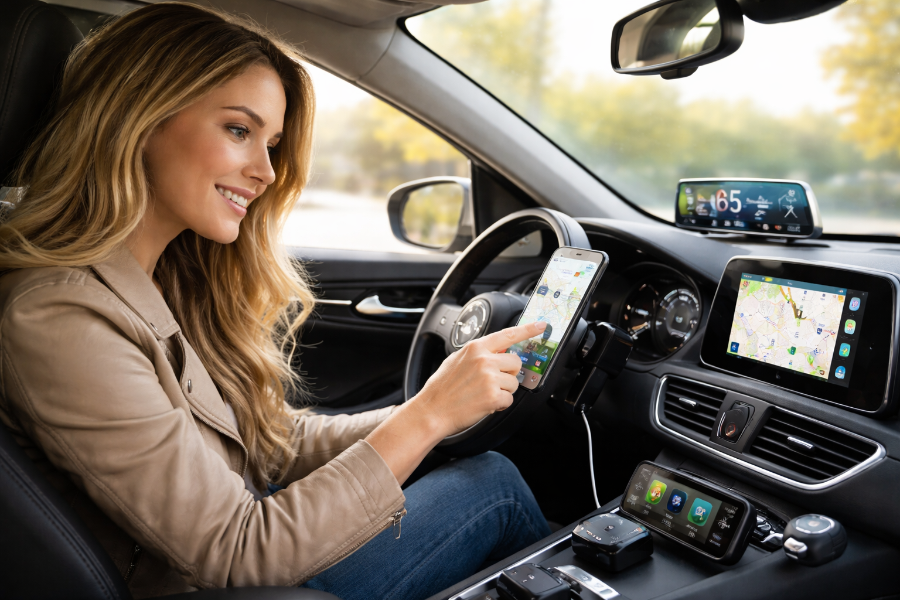
In addition, artificial intelligence plays a growing role in shaping the driving experience. Infotainment systems learn driver habits and adjust settings automatically. Meanwhile, over-the-air updates allow software improvements without visiting a dealership. Therefore, vehicles continue to evolve even after purchase.
Voice assistants now manage navigation, climate settings, and diagnostics. At the same time, digital instrument clusters and head-up displays simplify information delivery. As a result, cockpit design feels cleaner and more intuitive than ever before.
Design Philosophy and Craftsmanship
Design in the modern luxury sector balances minimalism with emotional resonance.
Exterior Language
Aerodynamics now inform form. Electric vehicles, in particular, feature closed grilles and streamlined silhouettes to enhance efficiency. Lighting signatures have become brand identifiers.
Interior Architecture
Cabins resemble executive lounges or high-tech studios. Sustainable leathers, open-pore woods, and brushed aluminum coexist with panoramic digital displays.
Nevertheless, craftsmanship remains central. Hand-stitched detailing and bespoke material selection preserve heritage even within futuristic environments.
Electric and Hybrid Influence on Luxury Standards
Electrification represents the most transformative phase in the Luxury Cars Evolution.
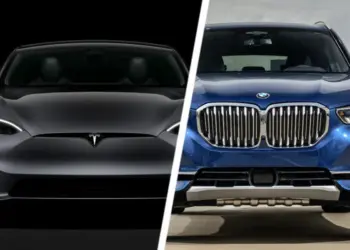
Companies such as Tesla redefined expectations by prioritizing software ecosystems over mechanical theatrics. Meanwhile, traditional manufacturers like Porsche and Jaguar have entered the electric domain to preserve performance credentials while meeting sustainability mandates.
How EVs Changed Luxury Metrics
-
Instant torque replaced large displacement engines as a performance hallmark.
-
Silent propulsion enhanced perceived refinement.
-
Battery architecture influenced vehicle packaging and interior spaciousness.
Hybrid systems, therefore, acted as transitional technologies, combining efficiency with traditional powertrains.
Classic Luxury vs Modern Luxury
| Feature | Classic Luxury (1900s–1980s) | Modern Luxury (2000s–2026) |
|---|---|---|
| Craftsmanship | Hand-built coachwork | Precision robotics + artisan detailing |
| Performance | Large displacement engines | Turbocharged / Electric drivetrains |
| Technology | Minimal electronics | AI-driven digital ecosystems |
| Safety | Basic mechanical safety | Advanced ADAS & semi-autonomous systems |
| Ownership Experience | Chauffeur-focused | Driver-centric + connected services |
| Sustainability | Not a priority | Core brand strategy |
Personalization and Bespoke Manufacturing
Luxury consumers now demand individualization.
Brands such as Ferrari and Rolls-Royce Motor Cars offer near-limitless customization programs — from exclusive paint formulations to personalized embroidery and commissioned interior motifs.
Moreover, digital configurators allow clients to preview vehicles in photo realistic detail before production. Bespoke manufacturing has shifted from rarity to expectation within the ultra-luxury tier.
Sustainability in Modern Luxury Vehicles
Sustainability is no longer contradictory to prestige; it enhances it.
Luxury brands are investing in:
-
Carbon-neutral manufacturing facilities
-
Recycled and bio-based interior materials
-
Electrified drivetrains
-
Battery recycling ecosystems
Consequently, environmental stewardship has become a defining attribute of modern excellence. Consumers increasingly evaluate brands based on ethical sourcing and lifecycle transparency.
Internal Combustion vs Electric Luxury Vehicles
| Aspect | Internal Combustion Luxury | Electric Luxury |
|---|---|---|
| Power Delivery | Gradual torque curve | Instant torque |
| Acoustic Experience | Engine sound as identity | Near-silent propulsion |
| Maintenance | Higher mechanical servicing | Lower routine maintenance |
| Environmental Impact | Higher emissions | Zero tailpipe emissions |
| Driving Range | Longer refueling flexibility | Range dependent on battery capacity |
| Software Integration | Limited OTA capability | Core operating system-based updates |
Consumer Expectations in 2026 and Beyond
Affluent buyers in 2026 expect:
-
Seamless digital ecosystems
-
Level 3+ autonomous driving capabilities
-
Sustainable manufacturing transparency
-
Subscription-based software features
-
Personalized concierge mobility services
However, emotional engagement remains critical. Despite automation advances, driving pleasure and brand identity still influence purchase decisions.
Consequently, the Luxury Cars Evolution is balancing automation with emotional storytelling.
The Future of Automotive Excellence
The next frontier involves:
-
Fully autonomous flagship sedans
-
Solid-state battery technology
-
AI-driven predictive maintenance
-
Biometric vehicle access
-
Carbon-negative production models
Luxury will likely be defined less by horsepower and more by intelligent integration, ethical responsibility, and sensory refinement.
Therefore, automotive excellence in the coming decade will revolve around seamless mobility ecosystems rather than isolated mechanical brilliance.
Frequently Asked Questions (FAQs)
1. What is meant by Luxury Cars Evolution?
It refers to the transformation of luxury automobiles from handcrafted mechanical masterpieces to AI-integrated, sustainable mobility platforms.
2. How did electric vehicles influence luxury standards?
Electric vehicles redefined performance metrics, interior design possibilities, and sustainability expectations within the luxury segment.
3. Are classic luxury cars still valuable?
Yes. Classic models hold significant collector value due to craftsmanship, rarity, and heritage appeal.
4. Is sustainability important in luxury vehicles?
Absolutely. Modern luxury consumers prioritize eco-conscious manufacturing and electrified drivetrains.
5. What defines modern automotive excellence?
A combination of advanced technology, refined craftsmanship, personalization, sustainability, and seamless digital integration.