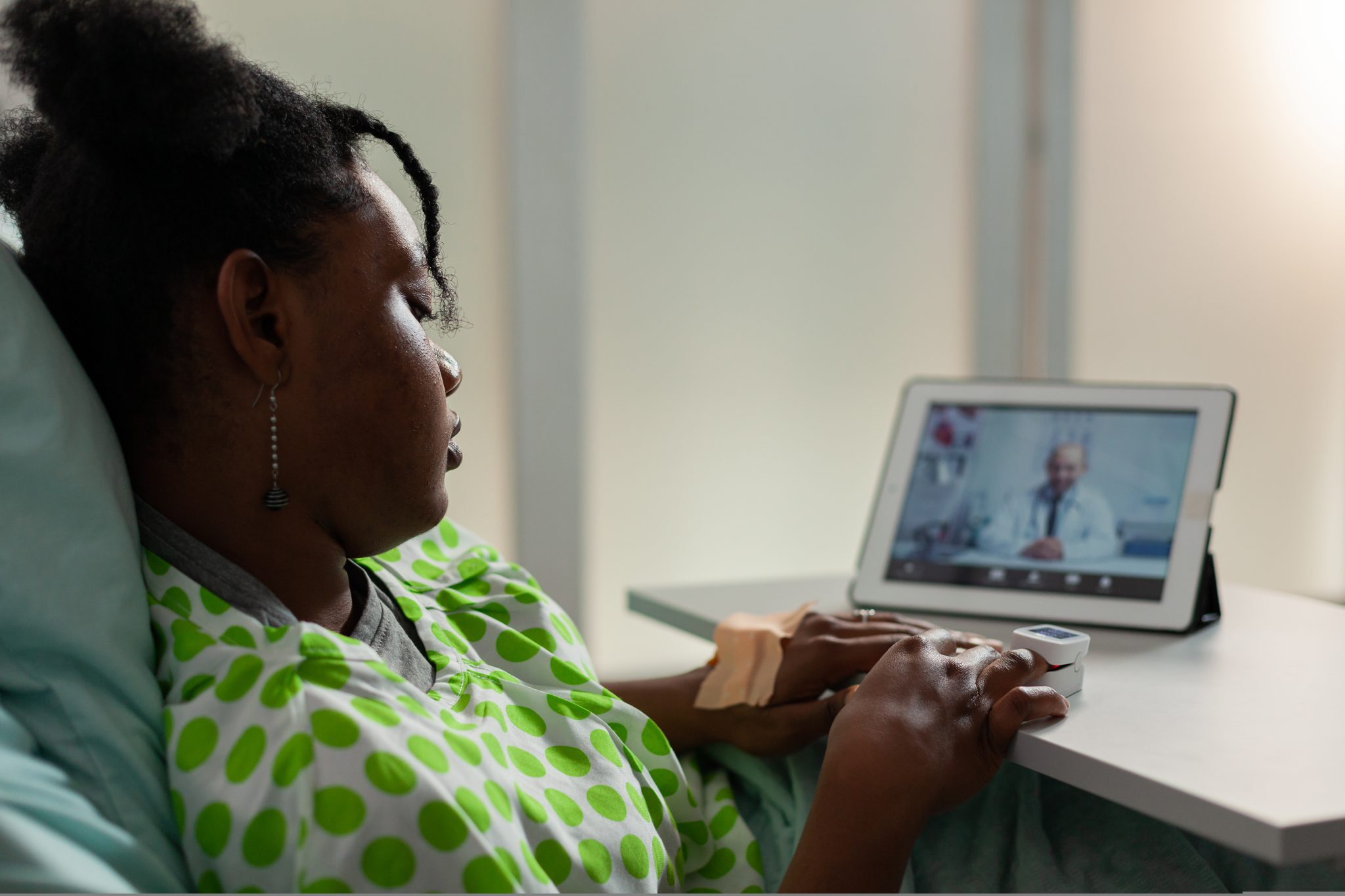
In recent years, telehealth has revolutionized healthcare delivery, and its role in hospice care is proving to be just as transformative. As aging populations grow and patient needs evolve, hospice providers increasingly turn to telehealth to extend compassionate care beyond traditional settings. For families navigating the final stages of a loved one’s life, remote support can bridge emotional, logistical, and medical gaps in meaningful ways.
In these situations, one often overlooked but essential aspect of caregiving is the integration of legal and logistical planning. If an accident or unexpected medical event has led to a hospice transition, working with a Long Island car accident lawyer early on can help protect the patient’s rights and resources. From managing claims to coordinating benefits, legal guidance becomes vital to the care continuum.
Expanding Access to Compassionate Care
Hospice care focuses on comfort, dignity, and emotional support during life’s final chapter. Traditionally, this involved regular in-person visits by nurses, social workers, and chaplains. However, not all families can access these services easily, especially in rural or underserved areas. Telehealth eliminates geographical barriers, enabling virtual visits from healthcare professionals who can offer guidance, monitor symptoms, and adjust care plans in real time.
During the COVID-19 pandemic, the need for remote options accelerated the adoption of telehospice services. As a result, both providers and patients have become more comfortable with video calls, remote monitoring tools, and digital communication platforms.
Enhancing Continuity of Care
Hospice patients often deal with multiple symptoms and conditions that require regular evaluation. Telehealth allows for more frequent check-ins, which means care teams can respond quickly to changes in condition. This not only improves quality of life but may reduce unnecessary hospitalizations, which can be traumatic in a patient’s final days.
Moreover, telehealth creates a digital record of interactions that can be shared among all team members, including physicians, nurses, social workers, and spiritual counselors. This ensures consistent messaging and coordinated care, even when in-person visits are limited.
Supporting Families and Caregivers
Caring for a terminally ill loved one is emotionally and physically exhausting. Telehealth offers family members timely access to professional advice, reducing stress and uncertainty. It can also serve as a platform for grief counseling, advanced care planning, and even virtual support groups.
For caregivers juggling responsibilities at home or work, being able to consult hospice providers via telehealth is a lifeline. It empowers them with knowledge and reassurance, helping them make informed decisions about their loved one’s care.
Addressing Billing and Documentation
Hospice agencies must also navigate complex billing and compliance processes. That’s where home health billing solutions become critical. These systems help streamline reimbursement, track telehealth visits, and maintain accurate documentation—all of which are essential for regulatory compliance and financial sustainability.
Modern billing solutions ensure that telehealth services are appropriately coded and reimbursed, helping agencies deliver high-quality care without administrative delays. This is especially important when working with Medicare, which has specific requirements for hospice and telehealth interactions.
Legal Considerations in Telehospice
While telehealth provides many benefits, it also raises questions about privacy, informed consent, and liability. That’s why integrating legal counsel into the care plan is so important—especially if the patient’s entry into hospice was triggered by a traumatic event like a vehicular crash.
In such cases, working with a Long Island car accident lawyer can help families manage medical claims, understand insurance coverage, and secure financial resources to support care. Legal professionals experienced in injury law can also coordinate with medical providers to ensure all necessary documentation is in place, potentially preserving the right to pursue compensation on behalf of the patient or their estate.
Looking Ahead
The future of hospice care will undoubtedly include greater use of telehealth. As technology continues to improve, virtual reality, AI symptom tracking, and wearable health monitors may become standard tools in end-of-life care. But no matter how advanced the tools become, the mission of hospice remains unchanged: to provide compassionate, patient-centered support during one of life’s most vulnerable times.
Conclusion
Telehealth is not just a convenient tool—it’s a lifeline for many hospice patients and families. By bridging gaps in access, communication, and continuity, it strengthens the foundation of compassionate care. With the support of smart tools like home health billing solutions and the guidance of professionals such as a trusted Long Island car accident lawyer, families can focus on what matters most: comfort, dignity, and love.