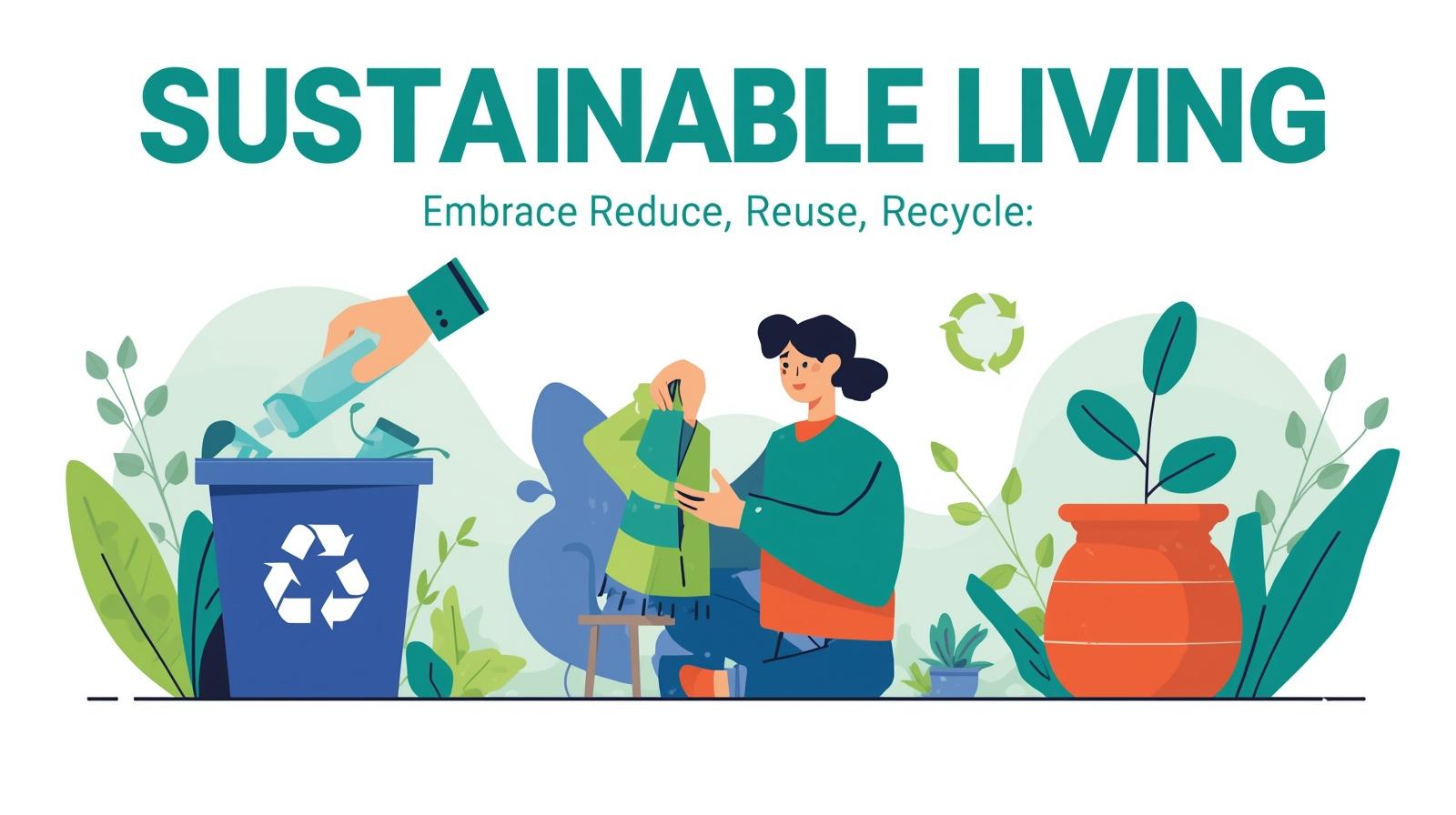
In today’s world, sustainable living is more important than ever. With climate change and environmental degradation threatening our planet, it’s crucial that we take steps to protect our environment. One of the most effective ways to contribute to environmental conservation is by embracing the principles of reduce, reuse, and recycle. This simple yet powerful mantra can guide us toward a more sustainable and zero waste lifestyle.
The concept of reduce, reuse, and recycle is not new, but its importance has grown significantly in recent years. Let’s break down each component to understand how it contributes to a sustainable lifestyle.
Reducing is the first and most critical step in the sustainability journey. It involves minimizing the amount of waste we produce by making conscious choices in our daily lives. This can include:
- Mindful Consumption: Before making a purchase, consider whether it’s truly necessary. Opt for quality over quantity and choose products with minimal packaging.
- Energy Efficiency: Save energy by turning off lights when not in use, using energy-efficient appliances, and utilizing natural light whenever possible.
- Water Conservation: Reduce water usage by fixing leaks, taking shorter showers, and using water-efficient fixtures.
By reducing our consumption and waste production, we can significantly decrease our environmental footprint.
Reusing involves finding new purposes for items that might otherwise be discarded. This practice not only conserves resources but also saves money. Here are some ways to incorporate reuse into your life:
- Repurposing Items: Get creative by finding new uses for old items. For example, glass jars can be used as storage containers, and old t-shirts can be turned into cleaning rags.
- Buying Secondhand: Choose to buy pre-owned items such as clothing, furniture, and electronics. Thrift stores, online marketplaces, and garage sales are great places to find unique and affordable items.
- Sharing and Borrowing: Instead of buying new, consider borrowing items you only need temporarily, like tools or books, from friends or community sharing programs.
By reusing, we extend the lifecycle of products and reduce the demand for new resources.
Recycling is the process of converting waste materials into new products. It helps conserve natural resources, reduce pollution, and save energy. To maximize the benefits of recycling, follow these guidelines:
- Know What Can Be Recycled: Familiarize yourself with your local recycling guidelines to ensure you’re recycling correctly. Commonly recyclable materials include paper, cardboard, glass, and certain plastics.
- Clean and Sort: Rinse out containers and sort recyclables according to your community’s requirements. Contaminated materials can spoil entire batches of recyclables.
- Advocate for Recycling Programs: Support local recycling initiatives and encourage businesses and organizations to adopt recycling practices.
By participating in recycling efforts, we can transform waste into valuable resources.
Adopting the principles of reduce, reuse, and recycle offers numerous benefits, both for the environment and for individuals.
- Resource Conservation: By reducing consumption and reusing items, we decrease the demand for raw materials, preserving natural resources like forests, minerals, and water.
- Waste Reduction: Implementing the three R’s helps divert waste from landfills, reducing the need for new landfill sites and minimizing pollution.
- Energy Savings: Recycling often requires less energy compared to producing new products from raw materials, leading to lower greenhouse gas emissions.
- Cost Savings: Reducing and reusing can lead to significant cost savings by encouraging mindful spending and minimizing waste.
- Community Engagement: Participating in local sustainability initiatives fosters a sense of community and shared responsibility for the environment.
- Creative Fulfillment: Reusing items can unleash creativity and provide a sense of accomplishment in finding innovative solutions.
Implementing the reduce, reuse, and recycle mantra can seem overwhelming, but small changes can make a big difference. Here are some practical tips to get started:
- Start a Compost Bin: Composting food scraps reduces waste and creates nutrient-rich soil for gardening.
- Use Reusable Bags and Containers: Bring your own bags to the store and use reusable containers for food storage.
- Repair Instead of Replace: Fix broken items instead of discarding them, whether it’s a torn shirt or a malfunctioning appliance.
- Go Paperless: Opt for digital documents and communications to reduce paper waste.
- Encourage Carpooling: Share rides with coworkers to reduce carbon emissions and save on fuel costs.
- Host a Swap Event: Organize a swap meet where employees can exchange items they no longer need.
- Join a Clean-Up Event: Participate in community clean-up days to help keep local parks and neighborhoods litter-free.
- Support Local Businesses: Choose to buy from businesses that prioritize sustainability and eco-friendly practices.
- Educate Others: Share your knowledge about the three R’s with friends, family, and neighbors to inspire positive change.
Embracing the principles of reduce, reuse, and recycle is a powerful way to contribute to environmental conservation and lead a more sustainable lifestyle. By making conscious choices in our daily lives, we can reduce waste, conserve resources, and protect our planet for future generations. Remember, every small action counts, and together, we can make a significant impact. Let’s all take a step towards sustainable living and embrace the three R’s today.