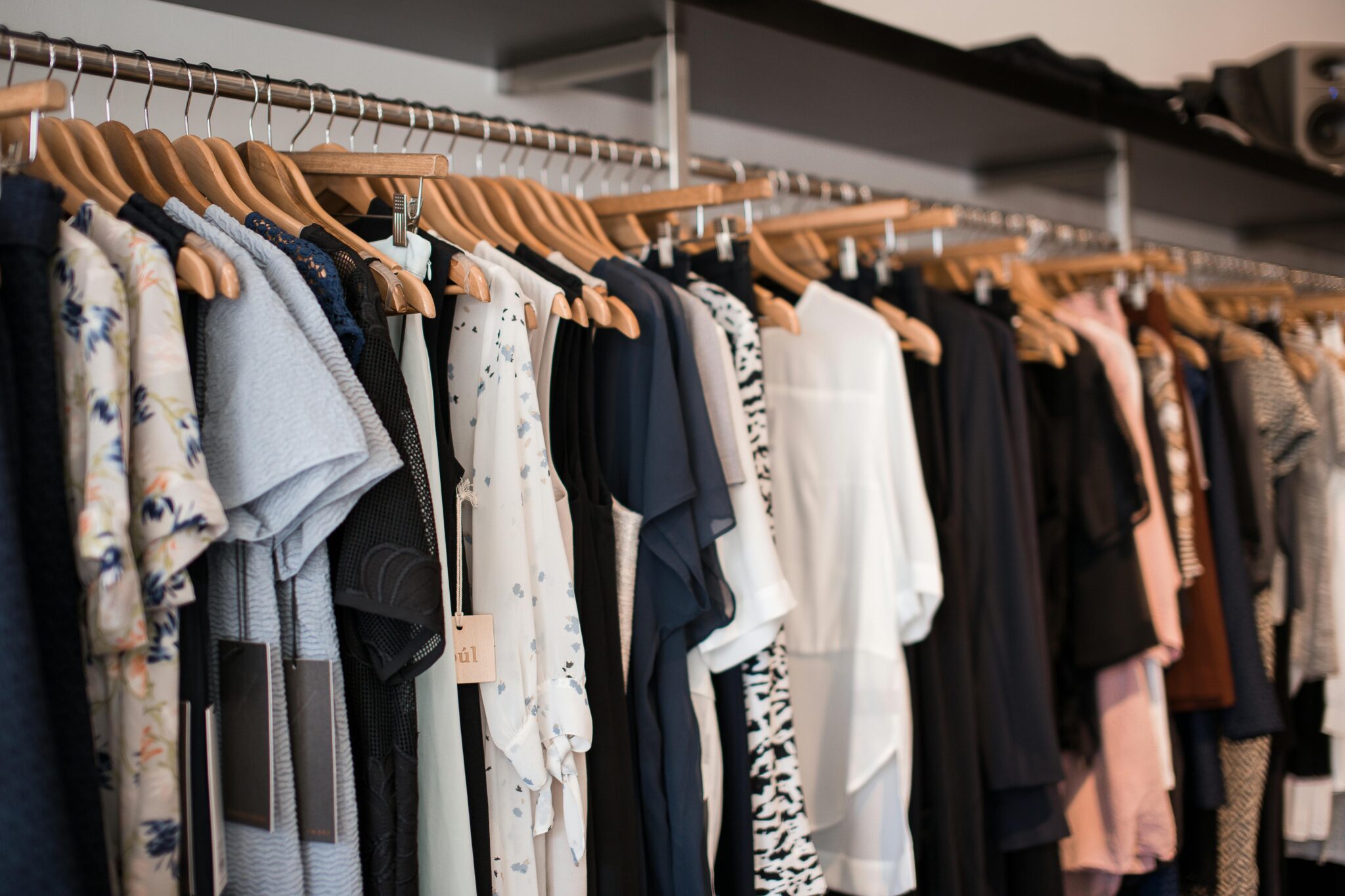
Polyester has long been a dominant fabric in the fashion industry due to its low cost, durability, and wrinkle resistance. However, as awareness of environmental issues grows, many consumers and brands are seeking sustainable fashion alternatives to polyester. Traditional polyester is derived from petroleum, contributes to microplastic pollution, and is not biodegradable, making it a major concern for eco-conscious fashion.
This article explores sustainable alternatives to polyester, their benefits, and how they fit into a modern, responsible wardrobe.
Why Polyester Is Considered Unsustainable
Polyester is a synthetic fiber made from fossil fuels. Its production requires significant energy, releases greenhouse gases, and relies on non-renewable resources. Additionally, when polyester garments are washed, they shed microplastics that end up in oceans and waterways.
Because polyester does not biodegrade, discarded clothing can remain in landfills for decades. These environmental impacts have pushed the fashion industry toward more sustainable material choices.
The Rise of Sustainable Fabric Choices
Sustainable fashion focuses on reducing environmental harm while maintaining quality, comfort, and functionality. Alternative fabrics are designed to minimize resource use, lower emissions, and improve biodegradability.
Many of these materials also align well with daily wear needs, making them suitable replacements for polyester in casual, work, and lifestyle clothing.
Natural Fibers as Polyester Alternatives
Natural fibers are among the most popular sustainable alternatives to polyester. They come from renewable sources and are generally biodegradable.
Cotton, particularly organic cotton, is widely used due to its breathability and softness. Linen, derived from flax, is another excellent option, especially for warm climates. Hemp is highly durable, requires minimal water, and improves soil health during cultivation.
These fibers are ideal for everyday garments, offering comfort and longevity without synthetic impact.
Regenerated Cellulose Fibers
Regenerated fibers bridge the gap between natural and synthetic materials. Made from plant-based cellulose, they are processed into soft, versatile fabrics.
Popular options include:
-
TENCEL (lyocell and modal)
-
Viscose from responsibly managed forests
-
Bamboo-based fabrics
These fibers offer a smooth texture, moisture control, and flexibility, making them suitable for dresses, shirts, and activewear.
Recycled Polyester: A Transitional Option
While still synthetic, recycled polyester is often considered a better alternative to virgin polyester. It is made from post-consumer plastic waste such as bottles, reducing landfill and ocean pollution.
Although recycled polyester does not eliminate microplastic shedding, it lowers the demand for new fossil fuels and serves as a transitional solution while the industry develops better materials.
Performance Without Polyester
One of polyester’s biggest advantages is its performance qualities, including durability and stretch. Fortunately, sustainable fabrics are evolving to match these features.
Blends using organic cotton and elastane alternatives, wool for insulation, and lyocell for moisture management can replicate polyester’s performance while reducing environmental impact.
These options work well for both casual and functional clothing.
Sustainable Fabrics in Everyday Wear
Modern consumers want clothing that is both eco-friendly and practical. Sustainable alternatives now appear in t-shirts, trousers, outerwear, and even sportswear.
Many of these fabrics are now incorporated into Everyday Fashion Essentials for Men and Women, proving that sustainability and daily usability can coexist without compromising style.
Comparing Sustainable Alternatives to Polyester
| Fabric | Source | Key Benefits | Sustainability Level |
|---|---|---|---|
| Organic Cotton | Plant-based | Breathable, soft | High |
| Linen | Flax plant | Lightweight, durable | High |
| Hemp | Plant-based | Strong, low water use | Very High |
| TENCEL | Wood pulp | Moisture-wicking, smooth | High |
| Recycled Polyester | Plastic waste | Durable, reduces waste | Medium |
Cost and Accessibility of Sustainable Fabrics
One common concern is cost. Sustainable fabrics can be more expensive due to ethical sourcing and production methods. However, their durability often offsets the initial investment.
As demand grows, accessibility continues to improve, with more brands offering affordable eco-friendly collections. Choosing quality over quantity also helps balance costs.
How to Identify Sustainable Alternatives When Shopping
Understanding labels and fabric composition is key to making informed choices. Look for transparency in sourcing, fiber origin, and production processes.
Tips include:
-
Reading fabric tags carefully
-
Choosing natural or regenerated fibers
-
Avoiding unnecessary synthetic blends
-
Prioritizing durability and versatility
These practices help ensure long-term sustainability.
The Role of Consumers in Reducing Polyester Use
Consumer choices play a major role in shaping fashion industry practices. By supporting brands that prioritize sustainable materials, shoppers encourage innovation and responsibility.
Reducing polyester use also involves caring for clothing properly, repairing items, and extending garment life.
Future Innovations in Sustainable Fabrics
The fashion industry continues to invest in research and development. Emerging alternatives include bio-based synthetics, algae-derived fibers, and lab-grown textiles.
These innovations aim to combine performance with minimal environmental impact, potentially replacing polyester entirely in the future.
FAQs
What is the best sustainable alternative to polyester?
Organic cotton, hemp, and TENCEL are among the best options due to their low environmental impact and comfort.
Is recycled polyester truly sustainable?
It is more sustainable than virgin polyester but still sheds microplastics. It is considered a transitional solution.
Are natural fibers always better than synthetic ones?
Generally yes, but sustainability also depends on how the fibers are grown, processed, and maintained.
Can sustainable fabrics be used for activewear?
Yes. Fabrics like lyocell, merino wool, and innovative blends offer performance benefits similar to polyester.
Do sustainable alternatives last as long as polyester?
High-quality sustainable fabrics can be just as durable when properly cared for.
Final Thoughts
Sustainable fashion alternatives to polyester are no longer niche options. They are practical, stylish, and increasingly accessible. By choosing natural, regenerated, or responsibly recycled fabrics, consumers can significantly reduce their environmental footprint.