
Learning difficulties can have a significant impact on your child’s well-being. They may become frustrated and feel embarrassed in front of their peers, lash out irrationally, become stressed or anxious, and ultimately cause issues for the entire family who end up struggling right alongside them.
Learning to self-regulate emotions can benefit all children, but it can be particularly useful for those who are showing signs of struggling in school. Often, kids act out because they cannot talk about what is upsetting them. Aside from teaching children to express themselves healthily, there are many other ways parents can help support their children who are struggling to succeed in school.
Why do kids have problems at school?
Kids can struggle in school for many different reasons. They may have a learning issue or have trouble focusing, they may struggle to be organized, feel sadness or anxiety, or they may be experiencing bullying in the schoolyard.
It is often difficult for young children to convey exactly what is upsetting them, particularly if they are experiencing complicated feelings like anxiety or embarrassment. These feelings may instead surface as undesirable behaviors. For example, a child who is anxious about school issues may start throwing tantrums at drop-off time or exhibit disruptive behavior in the classroom.
Learning to tune into your child’s behaviors can help you spot these unregulated emotions. The good news is, once you can identify them, there are several ways parents can help address them.
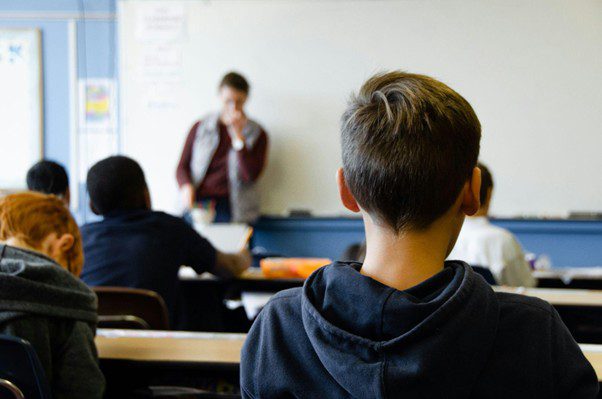
Young children can struggle with emotional regulation. Photo by Taylor Flowe on Unsplash.
How can parents help support their children?
Build frustration tolerance
Learning to manage frustration without becoming angry or giving up is an essential skill for kids to learn and can help them be more prepared when things become difficult for them. This is especially important for children in school settings, and this type of self-regulation allows them to engage more effectively in the classroom.
Parents can help children practice resilience by doing small bursts of difficult work, such as five minutes of reading or writing, quickly followed by praise or a contribution to a reward system such as points. Doing this has the bonus of reframing difficult or frustrating activities as more fun and engaging.
Validate their feelings
Validating your child’s feelings goes beyond simple “You can do it!” cheerleading, which can often result in the opposite effect of what we are trying to achieve, leading to the child feeling additional pressure. Instead, try to validate and empathize with your child’s feelings by saying something like, “That does sound really hard. I understand why you’re feeling so frustrated.” Phrasing it in this manner can help open up the conversation and allow you to talk through how you might handle the situation, modeling the appropriate skills for them.
Normalize their struggles
Your child may feel embarrassed, confused, or upset when they are unable to do something that appears simple to their classmates. They may feel as though they are the only ones who cannot do it, or worry they will get in trouble. While adults understand it is not a localized issue to any one specific child, the child often does not. Normalize their struggles by letting them know they are not the only ones struggling, and it is, in fact, a very normal thing to experience.
How can parents get extra support for their children?
Teachers are generally the first to notice if a child is struggling at school. Engaging in regular conversations with your child’s teacher and sharing any concerns can help you and the teacher gain greater insights into what is troubling or what is a struggle for the kid. Some schools may even offer extra reading or math support for those who fall behind, which is often a viable option. If the problem cannot be addressed in the classroom, extra services may be required to help them learn.
Seek advice from a school counselor
School counselors can help children with learning difficulties in many ways, but it is important to ensure they have the appropriate accreditation like a Masters in School Counseling online before engaging them.
Children who have learning difficulties can benefit from school counselors who provide individulized support, promote and help with emotional well-being, manage early or crisis intervention, and help students develop decision-making and problem-solving skills. They may also assist in diagnosing learning disorders that make traditional schooling difficult, such as autism or dyslexia.
Seek advice from your healthcare professional
If your child is not engaging with the school counselor – perhaps due to the association with school – or if your school does not have counseling services, you may need to reach out to an external healthcare professional.
External healthcare professionals who specialize in children can provide the same help as a school counselor, although they may come with additional costs.