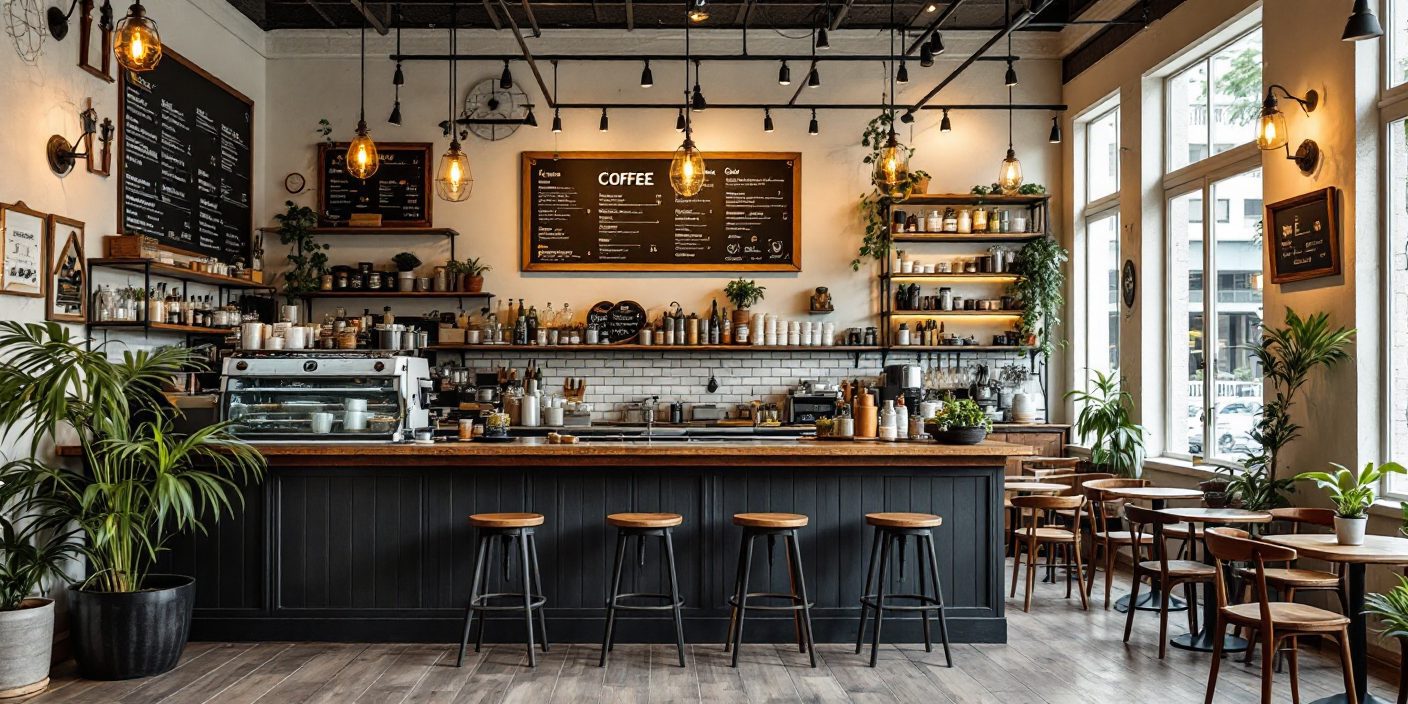
Coffee holds a unique place in the daily life of many Filipinos. Whether you walk through Manila’s business districts, provincial town centers, or university areas, it’s clear that coffee shops are more than just a trend. According to recent data from the Philippine Statistics Authority, over ninety percent of local households drink coffee regularly. This demand, combined with the rise of urban living and digital work culture, explains why new cafés keep appearing in cities and towns across the country.
For someone considering a small business, a coffee shop offers the chance to serve a loyal customer base, create a community hub, and build a brand that can grow with the market. Of course, not everyone has the capital on hand to get started right away. If you need extra funds to launch your café, consider exploring options like a loan app fast approval, which can help you secure financing and move forward with your business plans. The key is to approach this opportunity with realistic planning and a clear understanding of your local area.
Define Your Coffee Shop Concept and Target Market
Every successful coffee shop starts with a clear concept. This means deciding what type of experience you want to offer and to whom. In the Philippines, you can choose between a franchise and an independent café. Franchises, such as The Coffee Bean & Tea Leaf or local chains like Bo’s Coffee, provide an established brand and a support system. This can reduce many risks for first-time business owners, though you’ll have less control over day-to-day decisions and usually face higher starting costs.
Independent coffee shops, on the other hand, give you the freedom to design your menu, set your prices, and build a space that feels truly your own. This approach demands more effort in marketing and customer engagement, but it can be rewarding if you want to create something unique in your community. Some entrepreneurs now consider mobile coffee carts or pop-up cafés. These options work well in business districts, school zones, or events, and they allow you to reach different groups without committing to a long-term lease.
Whatever you choose, the most important step is to know your audience. Are you serving students who need WiFi and affordable drinks, office workers looking for quick service, or families who value a quiet place to relax? Understanding your target market will shape your business decisions and help you stand out in a competitive industry.
Plan Your Coffee Shop Finances
Understanding the financial side of the business is essential before you sign a lease or order equipment. The cost to open a coffee shop in the Philippines depends on several factors, including location, shop size, and business model. For a small kiosk, initial investments can start around ₱350,000, while a full-sized café in a city might require ₱1.5 million or more. Franchises often cost more up front but include brand support and built-in supplier relationships.
Once you know your starting budget, map out your expected monthly expenses. These usually include rent, salaries, coffee beans and ingredients, utility bills, and marketing. It is also wise to set aside cash reserves for unexpected costs—many new cafés need six months or more to become profitable. For example, if you plan to open a 25-seat café in Metro Manila, you might spend about ₱250,000 on lease deposits, ₱500,000 on renovations, and ₱450,000 on equipment. You will also need working capital to cover salaries and supplies until your sales are steady.
Securing funding may require a mix of personal savings, bank loans, or support from business partners. Some entrepreneurs also explore small business loans from local banks or government programs. It’s helpful to create a simple financial plan that outlines your setup costs, operating budget, and realistic sales targets. This clarity will not only guide your decisions but also build trust with potential investors or lenders.
Register Your Coffee Shop and Obtain Permits
Starting a coffee shop in the Philippines means following several legal steps before you can open your doors. Registering your business protects your brand and ensures you operate within the law. For most small shops, the process begins with a business name registration through the Department of Trade and Industry (DTI) if you are a sole proprietor, or the Securities and Exchange Commission (SEC) if you choose to form a corporation.
After registering your name, you’ll need to secure a Barangay clearance from your local barangay office. This document confirms that your business has permission to operate in your chosen area. Next, apply for a Mayor’s Permit at the city or municipal hall—this step often requires proof of your lease agreement, your barangay clearance, and basic safety certificates. You must also register with the Bureau of Internal Revenue (BIR) to receive your tax identification and print official receipts.
Sanitary and health permits are required for any business serving food or drinks. Local health officers will check your shop for cleanliness, food safety standards, and proper waste disposal. Additional permits, such as fire safety clearance or building occupancy certificates, may also be necessary depending on your location.
Processing these documents takes time, and requirements can differ from city to city. It’s best to start early and consult your local government office for up-to-date guidelines. By making sure all permits are in place, you reduce the risk of delays and set your business on a solid foundation from day one.
Find a Profitable Location
Location is one of the most important choices you’ll make as a coffee shop owner. The right spot can turn a modest café into a community favorite, while a poor location can leave even the best-run shop struggling to attract regular customers. In the Philippines, successful coffee shops are often found in areas with steady foot traffic—near office buildings, universities, transport hubs, or busy residential neighborhoods.
When evaluating potential sites, look at more than just rent. Consider the daily flow of people, the availability of parking, and the visibility of your storefront from the street. Check for nearby competitors and think about what sets your shop apart—whether it’s your menu, atmosphere, or service. Some business owners find that a location near schools brings steady demand from students and teachers, while others succeed by opening in developing residential communities where options are limited.
It’s also important to review local zoning regulations before committing to a lease. Some areas have restrictions on food and beverage businesses, and you may need special approval to operate a café. Taking time to research these details will help you avoid costly mistakes and choose a location where your business can grow.
Design, Equipment, and Supplies
A thoughtful design and reliable equipment are the backbone of a coffee shop’s daily operations. In the Philippines, many cafés opt for minimalist or warm, inviting interiors, using natural light and comfortable seating to create a space where customers want to linger. The layout should allow for smooth movement behind the counter, making it easy for staff to prepare drinks and serve guests efficiently.
Choosing the right equipment is a balance between quality and budget. At a minimum, you will need:
- An espresso machine and coffee grinder
- A drip coffee maker or brewer
- A refrigerator and freezer for milk and perishables
- A water filtration system
- A cash register or point-of-sale (POS) system
- Cups, mugs, and utensils
If you plan to serve pastries or light meals, consider investing in a small oven or display chiller. Many café owners source their equipment from suppliers in Manila, Cebu, or online marketplaces, comparing warranties and after-sales support.
Selecting coffee beans is just as important. You can buy directly from local roasters—Batangas and Benguet are known for quality Philippine coffee—or work with importers for specialty blends. Highlighting local beans on your menu not only supports Philippine farmers but can also become a selling point for your shop. For daily operations, you’ll also need a steady supply of milk, sugar, syrups, packaging for takeout, and basic cleaning products.
Investing in durable equipment and setting up relationships with reliable suppliers reduces headaches later. A well-designed shop with high-quality ingredients will make a lasting impression on customers and set a standard your staff can maintain.
Build a Menu and Set Your Prices
Your menu is more than a list of drinks—it’s a reflection of your brand and a key tool for attracting your target customers. In the Philippines, most coffee shops succeed with a balance of classic espresso-based drinks and local favorites. Offer staples like americano, cappuccino, and café latte alongside popular iced options and specialty blends. Many successful cafés also feature local coffee, such as kapeng barako, and a small selection of teas, chocolate drinks, and cold brews.
If your location and budget allow, consider simple food options. Fresh pastries, sandwiches, or light rice meals can increase your average sale per customer. Start with a focused menu and expand gradually as you learn what your customers prefer.
Pricing should be realistic and based on your actual costs, the market rate in your area, and your desired profit margin. For example, espresso drinks in Metro Manila typically range from ₱80 to ₱150, while specialty drinks or cold brews may cost more. Check prices at nearby shops and remember that customers often weigh both price and perceived value—atmosphere, service, and quality all matter.
Review your menu regularly. If certain items rarely sell, don’t be afraid to replace them. Your goal is to offer choices that appeal to your market, keep costs under control, and reinforce what makes your shop different from the rest.
Hire and Train Your Staff
The quality of your staff often defines the customer experience in a coffee shop. Even the best coffee will not make up for poor service or unprofessional behavior. Start by estimating how many employees you need based on your size and hours. Most small cafés in the Philippines begin with a handful of baristas and a part-time cleaner or cashier. If you operate long hours or expect heavy traffic, plan for extra help during peak times.
When hiring, look for people who are friendly, reliable, and willing to learn. Prior experience as a barista is helpful but not required; many successful owners focus instead on attitude and work ethic, then invest in proper training. Your team should understand the basics of coffee preparation, cleanliness, customer service, and handling payments.
Staff training can take place in-house or through workshops offered by coffee suppliers or local training centers. Clear expectations, regular feedback, and simple procedures will help new employees adapt quickly. A small team that works well together and treats customers with respect is one of the most valuable assets your business can have. As you grow, encourage your staff to share ideas for improving service and operations—this helps build loyalty and a positive workplace culture.
Promote Your Coffee Shop
Effective marketing is as important as a good menu or prime location. In the Philippines, word-of-mouth still plays a powerful role, but most successful coffee shops also invest time in digital promotion. Start by creating a simple but informative Facebook page or Instagram account. Share updates about your opening, daily specials, and behind-the-scenes glimpses of your shop. Clear photos, straightforward posts, and prompt replies to messages help build trust with potential customers.
Community engagement is another reliable way to attract and keep regulars. Some owners offer loyalty cards, discount days for students or office workers, or small giveaways during the first weeks of business. Partnering with neighboring businesses or local events can widen your reach. Encourage satisfied customers to leave reviews on Google or Facebook—positive feedback online often leads new guests to your door.
Paid ads can boost your visibility in competitive areas, but most independent cafés see steady results through genuine engagement and consistent service. As your business grows, monitor which promotions bring the most customers and adjust your efforts accordingly. Remember, honest communication and friendly service are the foundations of lasting customer relationships.
Common Mistakes and How to Avoid Them
Many coffee shop owners face similar challenges in the first year. One common mistake is underestimating daily expenses or overestimating how quickly sales will grow. Without careful budgeting, even a busy café can run into cash flow problems. Another issue is choosing a location based only on rent, rather than on foot traffic or customer habits. It’s also easy to overlook the importance of regular staff training or to neglect permits, leading to unexpected shutdowns or fines.
To avoid these pitfalls, create a realistic financial plan and revisit it often. Take time to observe your chosen location at different times of day before signing a lease. Make staff training and customer service a daily priority, and check your permits and licenses at least twice a year to stay compliant. Finally, stay connected to your customers—listen to their feedback, adapt your menu when needed, and never stop looking for ways to improve the experience you offer.
Conclusion
Opening a coffee shop in the Philippines is both a creative challenge and a practical business venture. Success depends on understanding your local market, planning your finances carefully, and choosing a location that matches your goals. Clear branding, consistent quality, and attentive customer service can help your shop stand out, even in competitive areas. As you move forward, stay adaptable—review your menu, listen to your team and your customers, and refine your operations based on real-world results.
Remember, every successful coffee shop starts with thoughtful preparation and honest assessment of risks and rewards. With steady effort and a focus on delivering value to your community, your café can become more than just a place for coffee—it can be a place people return to, day after day.