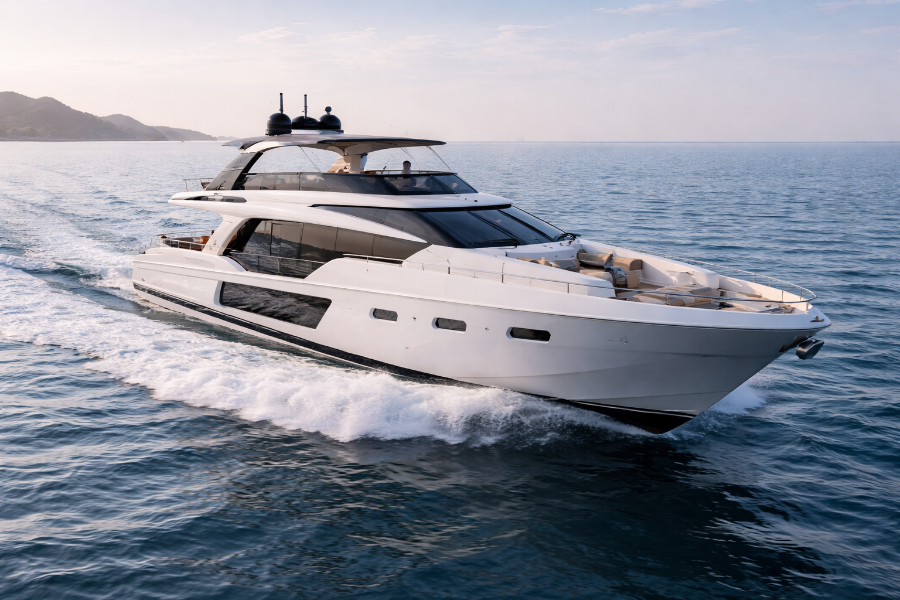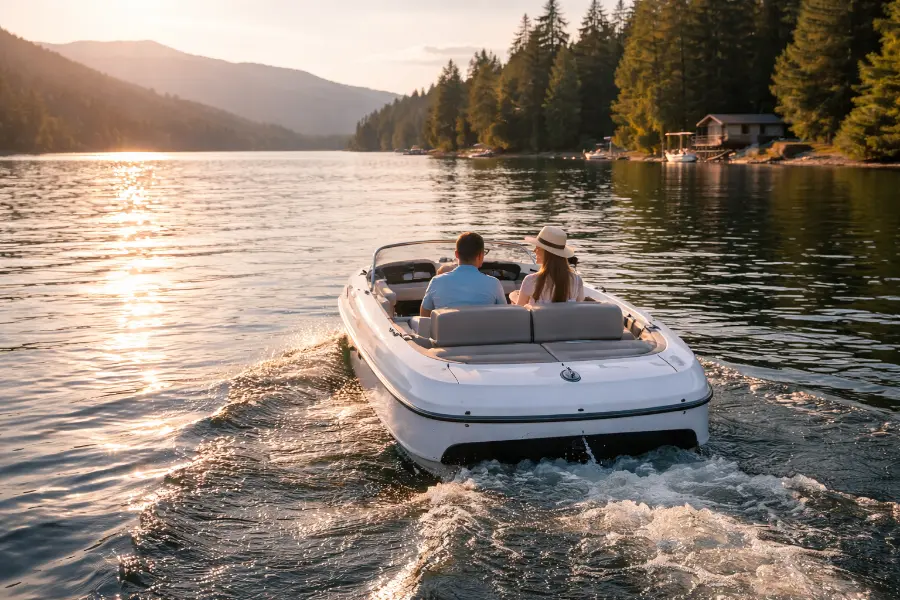
The market for Small Electric Boats for Lakes is expanding rapidly as environmental awareness, fuel costs, and regulatory changes reshape recreational boating. Once considered niche, electric boats are now becoming a mainstream choice for lake users seeking quiet, efficient, and eco-friendly alternatives to traditional gas-powered vessels.
Moreover, lake authorities across North America, Europe, and parts of Asia are increasingly restricting or banning internal combustion engines to protect water quality and reduce noise pollution. Consequently, demand for small electric boats for lakes including mini yachts, fishing boats, and compact leisure vessels has surged in recent years.
In 2026, manufacturers are responding with improved battery technology, longer range, and more stylish designs. From budget-friendly options to small luxury boats and even mini yachts, buyers now have a wide range of choices. This guide breaks down the best models, pricing trends, and key considerations for anyone looking to invest in electric lake boating.
Why Electric Boats Are Ideal for Lakes?
Electric boats are particularly well-suited for lakes due to their quiet operation and minimal environmental impact. Unlike gas engines, electric motors produce virtually no noise, allowing for a more peaceful boating experience.
Moreover, lakes are often smaller and more regulated than open seas, making range limitations less of a concern. Most small electric boats for lakes are designed for short to medium trips, which aligns perfectly with typical lake usage patterns.
Key Advantages
- Silent cruising enhances relaxation and wildlife observation
- Zero emissions protect water quality
- Lower operating costs compared to fuel-powered boats
- Reduced maintenance requirements
However, electric boats are not just about sustainability they also deliver a smoother and more refined experience, especially in calm lake environments.
Benefits vs Gas-Powered Boats
The comparison between electric and gas-powered boats is becoming increasingly relevant as buyers evaluate long-term value.
Electric Boats
- Lower running costs
- Minimal vibration and noise
- Fewer mechanical components
- Eco-friendly operation
Gas Boats
- Longer range
- Faster refueling
- Higher top speeds
However, for lake use, speed and long-distance travel are often less critical. Therefore, electric boats provide a more practical and cost-efficient solution.
Moreover, rising fuel prices and environmental regulations are making gas-powered boats less attractive over time.
Rising Restrictions on Gas Engines in Lakes
Environmental policies are playing a major role in accelerating the shift toward electric boating.
Many lakes now enforce:
- Partial or complete bans on gas engines
- Strict emission limits
- Noise restrictions
Consequently, buyers are increasingly turning to small electric boats for lakes to ensure compliance with local regulations.
Moreover, these restrictions are not limited to developed markets. Emerging regions are also adopting similar measures to preserve natural ecosystems.
Therefore, investing in an electric boat is not just a lifestyle choice—it is becoming a necessity in many areas.
Types of Small Electric Boats
The category of small electric boats for lakes includes a diverse range of designs tailored to different activities.
Common Types
1. Mini Boats / Mini Yachts
Compact yet stylish, these boats offer a luxury feel in a smaller footprint. Ideal for leisure cruising and social outings.
2. Pontoon Boats
Known for stability and space, electric pontoons are perfect for families and group trips.
3. Fishing Boats
Equipped with trolling motors and storage, these are ideal for anglers seeking quiet operation.
4. Small Sailboats (Hybrid Electric)
Some modern small sailboats for sale now include electric auxiliary motors for silent maneuvering.
Moreover, each type caters to specific use cases, making it essential to match the boat to your intended activities.
Read also: Ferretti Yachts 800: The Art of Understated Luxury
Best Models and Price Ranges
The market now offers a wide spectrum of models, from affordable entry-level boats to premium small luxury yachts.
Popular Models Overview
| Model Type | Example Category | Price Range (USD) |
|---|---|---|
| Budget Electric Boat | Small fishing boat | $5,000 – $15,000 |
| Mid-Range Pontoon | Family leisure boat | $15,000 – $40,000 |
| Premium Mini Yacht | Small luxury yacht | $40,000 – $120,000+ |
Budget models are ideal for first-time buyers, while mid-range options offer better comfort and range.
Moreover, premium models often marketed as small yachts for sale feature advanced design, higher battery capacity, and luxury interiors.
Consequently, buyers can choose based on both budget and lifestyle preferences.
Key Buying Factors to Consider
Choosing the right electric boat requires careful evaluation of technical and practical factors.
Critical Considerations
- Battery capacity: Determines range and usage time
- Charging time: Can vary from a few hours to overnight
- Boat size: Impacts passenger capacity and storage
- Motor power: Affects speed and performance
- Usage type: Fishing, leisure, or family trips
Moreover, buyers should consider whether they need portability, docking space, or trailer compatibility.
Practical Tips
- Opt for lithium-ion batteries for better performance
- Check local charging infrastructure
- Evaluate warranty and service support
Therefore, a well-informed purchase decision can significantly improve long-term satisfaction.
Real-World Use Cases
Electric boats are versatile and cater to a wide range of lake activities.
Common Use Cases
- Fishing: Silent motors avoid disturbing fish
- Leisure cruising: Ideal for relaxing outings
- Family trips: Safe and stable for all ages
- Photography and wildlife observation: Noise-free operation
Moreover, these boats are increasingly used in eco-tourism and rental businesses.
Consequently, their appeal extends beyond individual ownership to commercial applications.
Maintenance and Ownership Costs
One of the strongest advantages of electric boats is their low maintenance requirements.
Cost Benefits
- No fuel expenses
- Fewer moving parts
- Reduced servicing needs
However, battery replacement can be a significant long-term cost. Lithium-ion batteries typically last several years but may require replacement depending on usage.
Moreover, regular maintenance includes:
- Battery health checks
- Electrical system inspection
- Hull cleaning
Therefore, while upfront costs may be higher, long-term ownership is often more economical compared to gas boats.
Key Buying Factors Comparison
| Factor | Budget Boats | Mid-Range Boats | Premium Boats |
|---|---|---|---|
| Battery Range | Short (2–4 hrs) | متوسط (4–8 hrs) | Long (8–12+ hrs) |
| Build Quality | Basic | Improved | High-end |
| Features | Minimal | Standard | Advanced |
| Comfort | Low | Moderate | Luxury-level |
| Price | Low | Medium | High |
This comparison highlights how features and performance scale with price.
Moreover, it helps buyers align expectations with budget constraints.
Future Trends in Electric Boating
The future of small electric boats for lakes looks promising, driven by rapid technological advancements.
Emerging Trends
- Improved battery efficiency and range
- Solar-assisted charging systems
- Smart connectivity and navigation
- Growth in small luxury yacht segment
Moreover, manufacturers are focusing on lightweight materials and modular designs to enhance efficiency.
Consequently, electric boats are expected to become more affordable and widely adopted in the coming years.
Conclusion
The rise of Small Electric Boats for Lakes reflects a broader shift toward sustainable and efficient recreational boating. With increasing environmental regulations and advancements in technology, electric boats are no longer a niche option they are becoming the standard for lake use.
Moreover, the variety of models from budget-friendly fishing boats to premium mini yachts ensures that there is an option for every type of buyer. While initial costs and battery limitations remain considerations, the long-term benefits often outweigh the drawbacks.
Therefore, for those seeking a quiet, eco-friendly, and modern boating experience, electric boats represent a compelling investment in 2026 and beyond.
FAQs
1. Are electric boats good for lakes?
Yes, they are ideal due to their quiet operation, zero emissions, and suitability for short-distance travel.
2. How long do they run on a charge?
Most small electric boats for lakes run between 2 to 12 hours, depending on battery capacity.
3. What is the price range?
Prices typically range from $5,000 to over $100,000, depending on size and features.
4. Are they better than gas boats?
For lake use, yes electric boats are quieter, cheaper to operate, and environmentally friendly.
5. Can they be used for fishing?
Absolutely. Their silent motors make them ideal for fishing without disturbing aquatic life.