Mental health care has evolved significantly over the past decade, expanding beyond traditional therapy into a broad range of services that support the psychological, emotional, and even physical well-being of individuals. Whether someone is struggling with anxiety, depression, PTSD, or a co-occurring disorder, mental health clinics are designed to provide the tools, structure, and professional support necessary for healing. These facilities are no longer sterile, one-size-fits-all environments—they now include everything from innovative therapies to spa-like residential programs. Here’s a detailed look at what patients can expect when they seek care at a mental health clinic.
Comprehensive Psychological Evaluation
Every successful treatment journey starts with an accurate diagnosis. Mental health clinics typically begin the intake process with a thorough psychological evaluation. This step involves a series of diagnostic tools, clinical interviews, and often standardized testing. Clinicians explore symptoms, personal and family history, trauma exposure, cognitive functioning, and current stressors.
This process allows the clinical team to understand the underlying causes of distress rather than simply treating surface-level symptoms. For example, what appears to be anxiety may stem from unresolved trauma or an undiagnosed mood disorder. Without proper assessment, patients may receive inappropriate care. A comprehensive evaluation ensures that the treatment plan is personalized, targeted, and evidence-based, setting the stage for meaningful and measurable progress.
Individual Therapy Sessions
Individual therapy is a cornerstone of nearly every mental health treatment plan. Patients work one-on-one with licensed therapists in a confidential setting, developing trust and a safe space to share experiences, thoughts, and fears. These sessions often follow evidence-based models such as Cognitive Behavioral Therapy (CBT), Eye Movement Desensitization and Reprocessing (EMDR), or Acceptance and Commitment Therapy (ACT), depending on the clinician’s training and the patient’s specific diagnosis.
Regular therapy helps patients identify negative thinking patterns, challenge distorted beliefs, and build healthier emotional and behavioral responses. The personalized nature of individual therapy allows for flexibility—sessions may focus on crisis intervention one week and long-term goal setting the next. Over time, these conversations help individuals develop the emotional resilience and coping skills needed to manage life’s challenges effectively.
Group Therapy and Peer Support
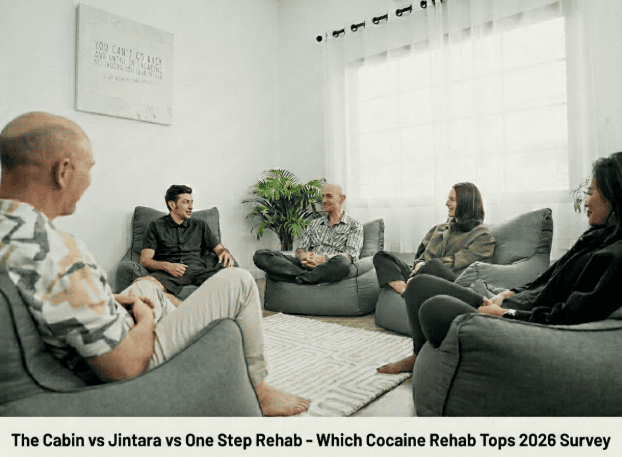
While individual therapy is deeply personal, group therapy introduces the healing power of shared experience. In this setting, patients participate in therapist-led groups where they can talk, listen, and reflect alongside others facing similar mental health challenges. This sense of community can significantly reduce feelings of isolation and stigma.
Groups are typically organized around common issues, such as grief, anger management, addiction recovery, or trauma. Some groups are open and dynamic, while others are structured and time-limited, with a curriculum focused on skill-building. Patients often report that hearing others’ stories and offering support fosters accountability, compassion, and hope. Group therapy is not only therapeutic—it also provides essential social feedback in a safe, controlled environment.
Inpatient and Residential Programs
Not all patients benefit from outpatient services alone. For individuals with severe, persistent, or complex mental health conditions, inpatient or residential treatment programs offer immersive care in a structured environment. Patients live onsite, typically for 30 to 90 days, receiving round-the-clock monitoring and access to a multidisciplinary team that includes psychiatrists, therapists, medical doctors, and wellness professionals.
Residential settings vary widely in style and comfort. Some facilities cater to high-profile individuals or those seeking greater comfort, privacy, and amenities. For those looking for an elevated experience, luxury rehab facilities offer private suites, gourmet dining, spa services, and individualized concierge care alongside intensive clinical support. This setting allows patients to heal in an environment that feels safe, tranquil, and restorative, without sacrificing medical excellence or therapeutic depth.
Medication Management
Medication can be a key component of mental health treatment for many individuals. Clinics often employ board-certified psychiatrists or psychiatric nurse practitioners who specialize in evaluating the need for medications and tailoring prescriptions to each patient’s biology and diagnosis. Conditions like major depressive disorder, bipolar disorder, schizophrenia, and generalized anxiety disorder often respond well to pharmacological support.
Psychiatrists often face a heavy administrative load because of the detailed documentation required for these complex cases. This paperwork can take up a large portion of the day and lead to burnout. Many clinics now look for specialized software that helps reduce after-hours charting for psychiatrists by using templates made for mental health. These tools allow doctors to focus more on their patients and less on their screens. When the notes are clear and finished quickly, the whole team stays informed about the patient’s progress. This change makes the daily routine more manageable for busy medical staff.
The process doesn’t end with the prescription. Regular medication management appointments are necessary to monitor effectiveness, manage side effects, and adjust dosages. Communication between the prescribing professional and the therapist is crucial to ensure medications support, rather than interfere with, therapeutic goals. When managed responsibly, medication can dramatically improve functionality and quality of life.
Holistic and Integrative Therapies
Mental health is deeply connected to physical health, which is why many modern clinics incorporate holistic and integrative services into their treatment models. These therapies recognize the interplay between mind, body, and spirit and offer patients new ways to explore healing outside of traditional talk therapy.
Services may include yoga, art therapy, equine-assisted therapy, acupuncture, massage, nutrition counseling, and mindfulness meditation. Clinical studies have shown that mindfulness-based interventions can reduce anxiety by up to 58%, and yoga has been linked to decreased symptoms of PTSD in veterans. These therapies help patients reconnect with their bodies, reduce stress hormones, and cultivate emotional regulation skills that carry over into everyday life.
Dual Diagnosis Treatment
Mental health and substance use often go hand in hand. According to the Substance Abuse and Mental Health Services Administration (SAMHSA), nearly 9.2 million adults in the U.S. experience both mental illness and a substance use disorder. Treating these conditions simultaneously through dual diagnosis programs is critical to preventing relapse and promoting long-term stability.
Clinics that specialize in dual diagnosis care use integrated treatment plans combining psychotherapy, medication, and behavioral interventions. Addiction counselors work alongside mental health professionals to create a seamless approach. Rather than treating symptoms in isolation, the focus is on understanding how addiction and mental illness influence each other and how both can be addressed in tandem. Successful dual diagnosis programs teach patients how to manage triggers, cravings, and symptoms simultaneously while rebuilding healthy routines.
Family Counseling and Education
Mental illness impacts not only the individual but also their support system. Family therapy helps rebuild relationships and improve communication among family members. These sessions, which can often be conducted through convenient teletherapy platforms, are typically facilitated by a licensed marriage and family therapist and aim to repair trust, clarify boundaries, and establish healthier patterns of interaction.
Clinics may also offer psychoeducational workshops or support groups for families. These programs help loved ones understand the nuances of various diagnoses, dispel myths, and learn how to support recovery without enabling harmful behavior. Involving family in the healing process can increase treatment compliance and reduce the likelihood of relapse.
Crisis Intervention and Emergency Services
Mental health clinics often serve as a frontline resource during crises. Whether it’s a suicidal episode, psychotic break, or severe panic attack, clinics can provide immediate intervention or facilitate referral to inpatient care. Many offer emergency walk-in hours, same-day appointments, or hotline services staffed by crisis-trained professionals.
These interventions are designed to stabilize the patient and mitigate risk while connecting them to appropriate longer-term care. Rapid response can make a life-or-death difference. Clinics with strong crisis response programs are essential pillars of mental health infrastructure, ensuring individuals have somewhere to turn during their most vulnerable moments.

From initial diagnosis to ongoing support, mental health clinics offer a full spectrum of care designed to help individuals reclaim their lives. With evidence-based therapies, integrative services, and even luxurious rehabs, patients can expect compassionate, personalized treatment that supports healing on every level.