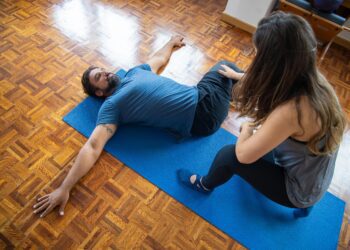
Health shifts quietly. Not in dramatic moments but through small daily choices. The way you sleep, move and recover – all of this shapes how your body handles fatigue, stress and exposure to illness. Consistent self-care rituals such as restorative sleep, gentle movement, intentional recovery support the immune system in ways that build resilience and help maintain steady energy through demanding days.
People often chase quick fixes. But the body responds more reliably to habits repeated over time. Better sleep improves repair. Gentle movement stimulates circulation. Calming practices lower stress. Together, these routines help immune defenses function more efficiently while keeping mental and physical performance stable.
The truth is simple. Your body reflects your routine. When self-care becomes part of everyday life – not something saved for weekends – the body gets what it needs to repair tissues, regulate hormones and strengthen protection against illness. Clear thinking and sustained stamina follow naturally.
In this blog, we share practical self-care rituals that support immunity, restore energy and help maintain consistent daily performance – in ways that fit naturally into modern life.
The Link Between Self-Care and Immune Strength
Immune resilience isn’t built overnight – it develops gradually. Shaped by consistent habits that support recovery and internal balance.
When the nervous system is calmed. When circulation improves through restorative routines. Immune cells function more effectively. The body becomes better prepared. To respond to environmental stress, fatigue and illness.
Stress often weakens the body quietly. Constant pressure undermines immune response and mental focus. When cortisol stays elevated for too long, immune function drops. The body struggles to repair tissues and maintain protective defenses.
Restorative environments support recovery. Spaces designed for relaxation help the body shift from high stress to a calmer state. Enter: Cholsa Spa. Here, stress is gently lowered through calming treatments and quiet surroundings, allowing the body to move out of survival mode and into a restorative rhythm where muscles relax, circulation improves and the immune system is given the space it needs to reset and function more effectively throughout the day.
Recovery works best when it’s intentional. Think of relaxation as essential health maintenance, not an occasional luxury. This mindset helps the body reset more deeply. Calming experiences (like therapeutic touch, warmth and guided rest) soothe the nervous system and support immune defenses.
Consistency builds strength. Short recovery practices, done regularly, often outperform rare, intensive treatments. So what happens when calm moments are built into daily routines? Stress drops. Sleep improves. Immune responses stay balanced.
The body responds to rhythm. Healthy habits train the immune system to remain stable rather than reactive. When supportive self-care rituals become part of everyday life, the body adapts. Resistance to illness strengthens. Energy becomes more reliable.
Daily Rituals That Strengthen Immunity
Simple routines deliver results – and often stronger than expected. When wellness habits are easy to repeat, they tend to stick. Consistent rituals support circulation, hormonal balance and cellular repair. Over time, these small actions add up, helping strengthen immunity while improving the body’s ability to maintain steady energy and endurance throughout the day.
Some effective daily practices include:
- Morning sunlight to regulate circadian rhythm and support hormones
- Gentle stretching or yoga to stimulate circulation and lymphatic flow
- Consistent hydration to support cellular function
- Mindful breathing to lower stress hormones
- Balanced meals rich in nutrients that fuel immune cells
- Reduced screen time in the evening to improve sleep quality
These practices may seem basic. But are they? No. Their combined effect is often underestimated. Done consistently, they help regulate inflammation, support immune signaling and create the internal environment needed for strong defenses.
Movement is important. Moderate activity is usually recommended. And for good reason. It improves circulation. In turn, the lymphatic system gets supported a bit more. When lymphatic flow is being stimulated through walking, stretching or light exercise, immune cells move around more freely. The result? Metabolic waste tends to get cleared out a little more efficiently over time.
Let’s not forget breathing. It also aids recovery. Take slow, intentional breaths. Activate the parasympathetic nervous system – the body’s rest and restore mode. Heart rate will slow down. Tension will drop. Immune activity will continue without the interference of prolonged stress.
Hydration supports essential processes. Cells depend on adequate fluids to carry nutrients, remove toxins and maintain metabolism. Consistent hydration helps the body support immune defenses and sustain steady physical energy.
Restorative Self-Care That Enhances Daily Performance
Performance is often misunderstood. Many assume productivity comes from pushing harder. In reality, sustained performance depends on balanced recovery – regularly allowing the body and mind to restore energy.
And sleep forms the foundation. During deep sleep, key immune repair processes take place. Better sleep thus strengthens immune memory cells, helping the body recognize and respond to threats more effectively.
Relaxation supports mental clarity. How so? A balanced nervous system helps the brain process information more efficiently. Reduced stress improves attention, decision-making and cognitive stamina during demanding work.
Therapeutic body care supports physical recovery. Massage therapy, for example, reduces muscle tension and encourages circulation. Better blood flow delivers oxygen and nutrients to tissues, aiding healing and supporting physical performance.
Mental recovery matters too. The brain needs quiet moments. What does that mean? It means time to reset. Time to process daily input. When brief breaks are built into routines, cognitive fatigue is reduced and focus becomes easier to maintain throughout the day.
Energy follows recovery – as the body works best with balance. Effort on one side. Rest on the other. When restorative habits become routine, the immune system stays stronger and physical endurance tends to hold steady without the slow slide into burnout.
Building a Sustainable Self-Care Routine
Wellness is built through repetition. Slow and steady. Healthy routines are given more impact when they’re practiced again and again over time. And when daily self-care rituals are kept up with patience and some intention? The body is gradually adjusted, and stronger immune responses start being seen while resilience is slowly improved day by day.
Small changes are often the most effective starting point. Simple habits are easier to sustain than complex programs. When manageable practices like hydration, stretching or mindful breathing are introduced gradually, they become natural parts of life – not temporary goals.
Listening to the body is essential. Fatigue, tension and stress are signals. When rest is taken before exhaustion hits, immune defenses are better protected from prolonged stress exposure.
Environment also matters. Calm surroundings encourage deeper relaxation and mental clarity. Spaces designed for quiet, comfort and balance help the body naturally shift into a restorative state.
Some people think self-care is indulgence. It isn’t. It’s regular maintenance for physical and mental health. And when recovery practices are treated as normal parts of daily routines, immunity stays strong and daily performance becomes more sustainable.