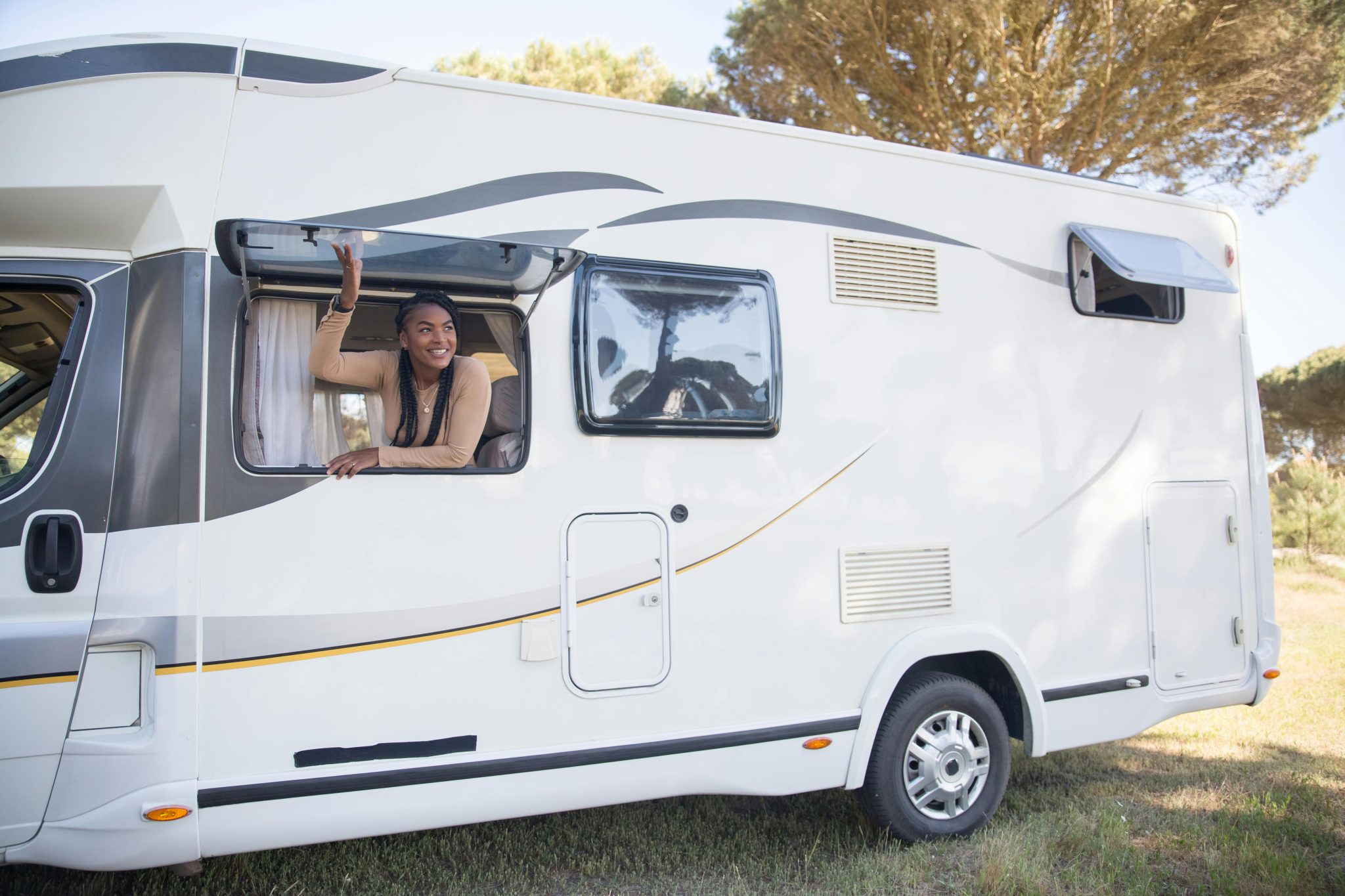
The contemporary RV lifestyle has transcended the clichéd image of retirees meandering through national parks. It has become a vibrant sociocultural phenomenon attracting digital nomads, multigenerational families, and urban professionals seeking to blend mobility with purpose. With the rise of remote work and flexible schedules, the RV acts as a customizable base camp from which occupants can traverse America’s rural heartlands while maintaining productivity and connectivity. An unfolding, subtler trend is that these travelers increasingly face another decision: instead of just passing through, many are choosing to invest in the destinations along their routes.
Rural Texas: A Spectrum of Opportunities Awaiting Recognition
Rural Texas encompasses much more than panoramic skies and the scent of sunbaked earth. The region pulses with layered histories, distinctive folkways, and emerging economic prospects. While headlines and capital markets invariably gravitate toward metropolitan hubs, the smaller, dispersed towns of the Texas countryside are evolving quietly, harboring assets and innovations that reward the attentive. Enhanced infrastructure and coordinated local entrepreneurship now invite external partners. With their nomadic mobility and sustained presence, RV travelers can bridge the gaps of infrastructure and expertise, translating exploratory visits into concrete, long-term contributions.
The Intersection of Leisure and Legacy
Impact investing—pursuing ventures that yield measurable social or environmental progress alongside competitive financial returns—has typically resided within the remit of sizeable foundations, dedicated NGOs, or affluent, altruistically-minded individuals. Yet a fresh, mobile constituency is applying the same moral calculus on the open road. Travel in a recreational vehicle has become a conduit for translating leisure times into sustainable capital. The synergy of globetrotting and goal-driven investing may appear trifling at first, but for RVers who possess both a disposable balance and a habitation-on-wheels, the calculus is clear: one afternoon spent at a peach orchard in southwest Georgia can, in five taps on a smartphone, morph into a recurring income stream for orchard financing, a millet plot, or a community scholarship. The traced arc from easy-trip souvenir to measurable, compounded social outcome is why the movement resonates.
Why RVers Are Ideal Micro-Investors in Rural Economies
The cargo compartment may house a surfboard and a dog, yet the human occupant often possesses seasoned financial skills. Many RVers are itinerant entrepreneurs, freelance developers, or semi-retired spouses who left the 9-to-5 yet retained a Marshall Plan wallet. Their autonomy to roam parks and parking-lot summits opens quotidian exposure to ventures that fixed-sight, institutional investors rarely inspect—whether a 30-member food co-op ready to triple its acreage or a sewing cooperative of Latina ranch workers seeking a loan to purchase a triple-needle machine for communion dresses. The RV broadband microphone pings the community, the wallet ledger exchanges $300, and a matching grant from a state catalyst layer seals the deal. Serial micro-investments of this nature do not erase the digital divide, yet the distributed net effect is a lattice of enduring rural prosperity that tangible wealth engines alone have not yet reconciled.
The Emotional ROI of Purpose-Driven Travel
Increasingly, travelers report the journeys that resonate longest are those that ripple outward, benefiting not only the wanderer but the places they touch. Purpose-led RV itineraries invite participants to step into enterprises larger than personal leisure. Daily vistas fade, but conversations in a village forum, mentorship of a school’s robotics club, or a marathon afternoon of community garden weeding embed an emotional dividend that spreadsheets cannot monetize. When a traveler leaves behind not just spent income but a co-owned vision of mutual uplift, a subtle but profound reciprocity is forged.
Navigating the Road Responsibly: Insurance as a Backbone
The thrill of pavement unfurling before a class A or trailer may inspire wanderlust, yet the same stretch can conceal risk. That paradox is especially vivid in Texas, where weather can pivot and highways can surprise. An RV policy does not merely underwrite the asset; it knits a continuum of protection—from fender-benders in Amarillo to hailstorms on the Hill Country byway. Purpose is enhanced, not diluted, when travelers move confident they are shielded. Before the first taco stop or star-dotted boondock, a reliable rider is essential. For a guided checklist of coverage options tailored to impactful Texas itineraries, click here.
How Local Communities Prosper from Purposeful RV Travelers
In contrast to typical tourists, RVers linger longer in a place and forge genuine connections with residents. This sustained stay fosters relationships that feel personal rather than transactional. Communities gain economic boosts as RVers purchase groceries, fuel, maintenance supplies, and entry fees to attractions. When these travelers also arrive as micro-investors, donors, or skill-sharing volunteers, the benefits compound. In resource-constrained towns, modest contributions—like volunteering to design a website or underwriting a school arts series—can leverage limited budgets and create public goods.
Building Partnerships That Sustain Change
Across several counties in Texas, local leaders are beginning to appreciate the distinct advantages that impact-minded RVers provide. Municipalities and nonprofits are crafting explicit partnerships that invite mobile changemakers to channel their time and resources with focus. Initiatives such as “adopt-a-town,” regional tourism councils, and rural business incubators create clear pathways for contributions. These frameworks transform benevolent intention into an organizing principle, ensuring that the goodwill RVers carry evolves into a replicable, durable model for rural revitalisation.
Digital Tools Empowering Smart Impact Decisions
Emerging digital ecosystems have increasingly equipped RV travelers with the ability to research, evaluate, and monitor social impact opportunities on the move. Platforms ranging from volunteer-matching apps to rural-focused investment dashboards now allow mobile philanthropists to deploy informed actions from virtually any waypoint. By translating goodwill into actionable data, these tools facilitate decisions that effortlessly blend spontaneous engagement with long-term strategic alignment.
Looking Ahead: A New Kind of Tourism for a New Era
With climate awareness, economic equity, and social accountability gradually embedding themselves into mainstream culture, RVing with intention is evolving from ephemeral trend to systemic movement. The conjunction of experiential travel and place-based community investment stands to reconfigure both contemporary tourism and impact finance. For rural Texas, the horizon is a more integrated and sustainable future, wherein travelers move beyond mere transit to nourish and grow enduring community value.
Conclusion: Purpose Over Pit Stops
Amid present-day obsessions with trending skylines and sequential travel checklists, the understated promise of America’s less-traveled pastures can recede from view. Yet for those steering RVs forged from intentions that extend beyond gratification, these outlying stretches cease to be mere coordinates; they transform into extended thresholds, vessels for solidarity, and platforms for tangible contribution. The meeting of open highway and communal enterprise dissolves the dualism of recreation and obligation, demonstrating that the pursuit of relaxation can, harmoniously, champion enduring communities. By charting courses toward quiet gravity, RV travelers not only accumulate miles but also multiply milestones of inclusion, echoing the quiet truth that intention, rather than itinerary, forges the most resonant path forward.