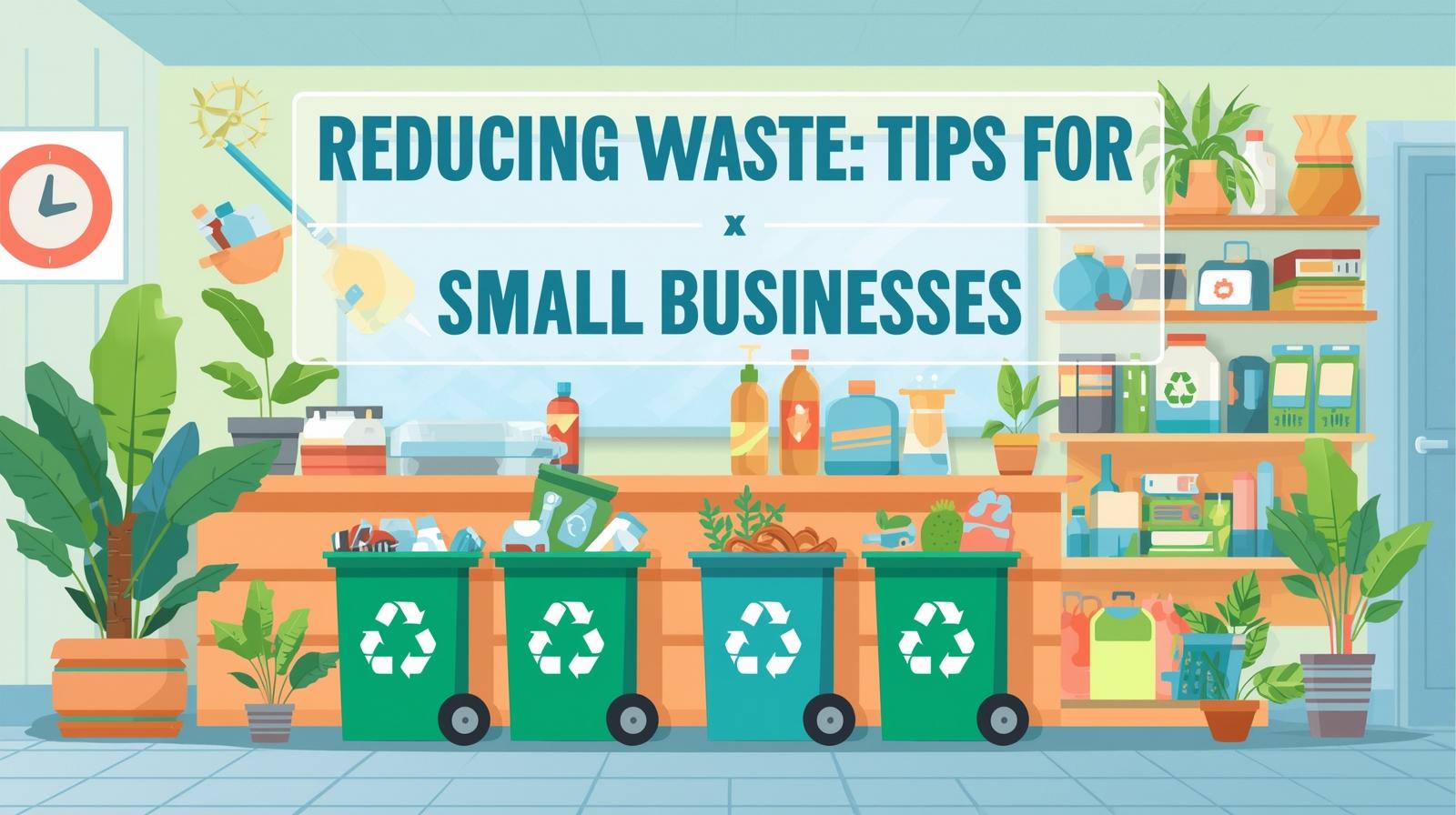
In today’s world, sustainability is not just a buzzword—it’s a crucial component of responsible business practices. For small businesses, implementing effective waste management strategies can lead to significant cost savings and a positive impact on the environment. This article will explore practical ways small businesses can reduce waste and adopt sustainable practices.
Waste management refers to the processes involved in handling waste from its inception to its final disposal. It includes collection, transport, treatment, and disposal of waste, along with monitoring and regulation. Effective waste management is vital for reducing the environmental footprint of a business.
Implementing effective waste management strategies helps small businesses in several ways:
- Cost Savings: Reducing waste can lead to lower disposal costs and decreased material expenses.
- Regulatory Compliance: Proper waste management ensures compliance with local and national regulations.
- Improved Reputation: Demonstrating a commitment to sustainability can enhance your brand image and attract eco-conscious customers.
The first step in effective waste management is understanding the type and amount of waste your business generates. Conducting a waste audit involves examining your waste streams to identify areas for improvement. This process will help you determine the best strategies to reduce waste.
Steps to Conduct a Waste Audit:
- Collect Waste Data: Gather data on the types and quantities of waste produced.
- Identify Waste Sources: Determine where most waste is coming from within your business operations.
- Analyze Findings: Look for patterns and areas where waste can be reduced.
The 3 Rs—Reduce, Reuse, and Recycle—are fundamental principles of sustainable waste management.
- Reduce: Minimize waste by evaluating purchasing decisions. Opt for products with minimal packaging and invest in durable goods.
- Reuse: Encourage the reuse of materials whenever possible. For example, use refillable containers or repurpose items for different uses.
- Recycle: Set up a recycling program within your business. Ensure that employees are educated about what can and cannot be recycled.
For businesses that generate organic waste, composting can be an effective strategy. Composting involves converting organic waste, such as food scraps and yard waste, into nutrient-rich soil.
Benefits of Composting:
- Reduces landfill waste
- Creates a valuable product for landscaping
- Lowers disposal costs
Source reduction involves altering the design, manufacture, or use of products and materials to reduce their quantity or toxicity before they become waste. This can be achieved by:
- Opting for suppliers who use minimal packaging
- Choosing products made from recycled materials
- Encouraging digital communication to reduce paper use
Reducing energy consumption is another way small businesses can operate more sustainably. Implementing energy-efficient practices can lead to significant cost savings and a reduced environmental impact.
Tips for Energy Efficiency:
- Upgrade to energy-efficient lighting and appliances
- Implement a power-down policy for computers and equipment
- Conduct regular maintenance on HVAC systems to ensure they are running efficiently
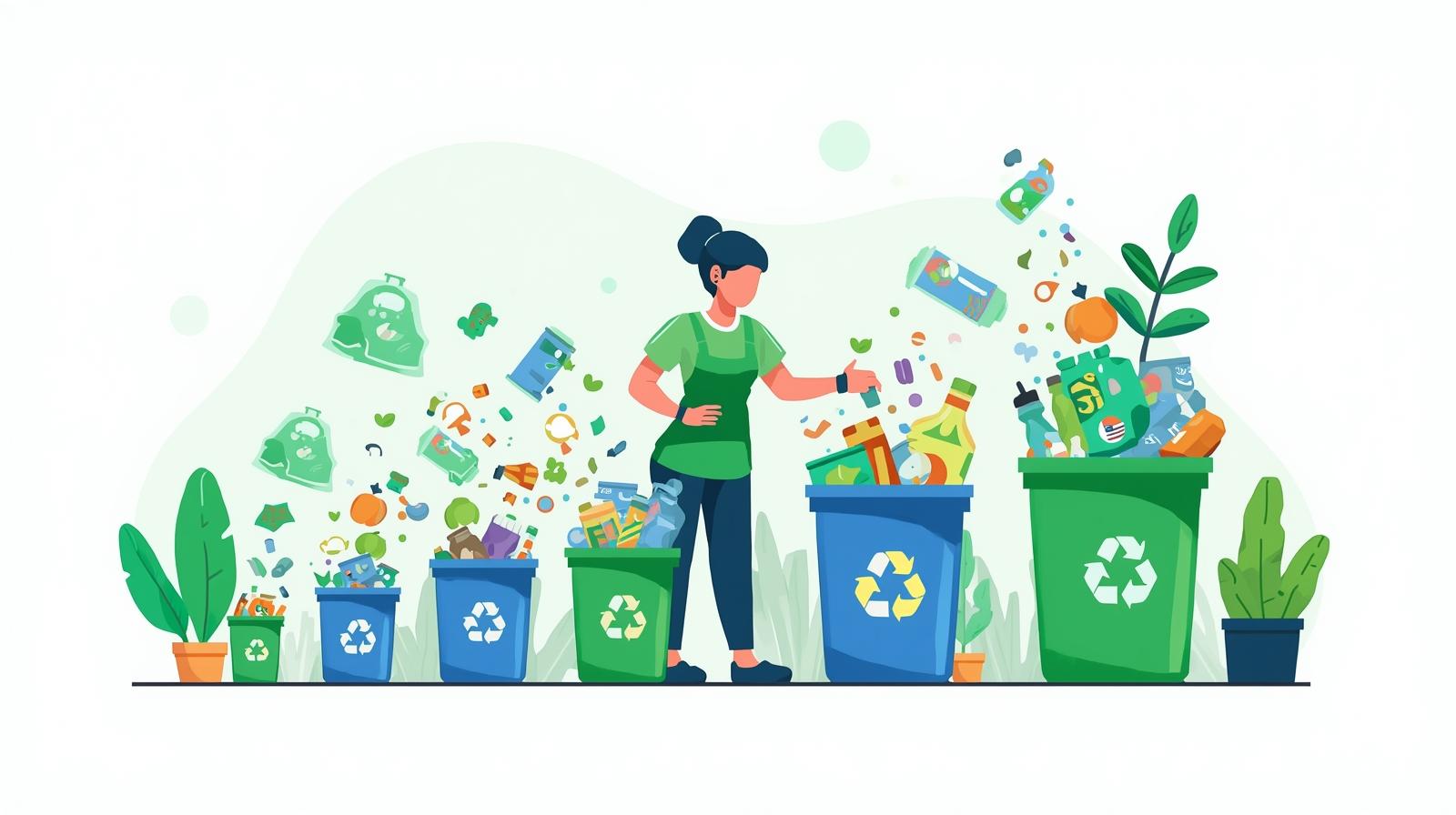
A successful waste management program requires the involvement of all employees. Educating your staff about the importance of reducing waste and how they can contribute is crucial.
Ways to Educate Employees:
- Conduct training sessions on waste management practices
- Create informative materials and signage around the workplace
- Encourage employee involvement in sustainability initiatives
While implementing waste management strategies can be beneficial, small businesses may face challenges such as limited resources or lack of expertise. Here are some common challenges and solutions:
- Limited Resources: Start with small changes and gradually implement more comprehensive strategies as resources allow.
- Lack of Expertise: Consider partnering with waste management consultants or local environmental organizations for guidance.
- Employee Resistance: Foster a culture of sustainability by highlighting the benefits of waste reduction and recognizing employee contributions.
Adopting sustainable practices not only benefits the environment but also provides several advantages for small businesses, including:
- Enhanced Brand Image: Consumers are increasingly seeking out businesses that prioritize sustainability.
- Increased Employee Morale: Employees are more likely to be engaged and motivated when working for a company that aligns with their values.
- Long-term Cost Savings: Sustainable practices often lead to reduced operating costs over time.
Effective small business waste management strategies are essential for reducing environmental impact and achieving long-term sustainability goals. By conducting waste audits, implementing the 3 Rs, and adopting sustainable practices, small businesses can improve their operations and contribute positively to the environment. Start today by evaluating your current waste management practices and identifying areas for improvement. The steps you take now will pave the way for a more sustainable future for your business and the planet.