Scar Formation After Hair Transplant: Risks and Prevention Methods
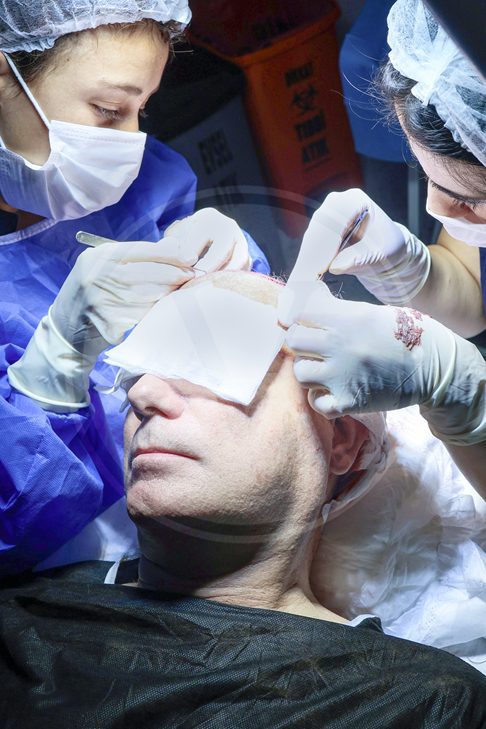
Hair transplant procedures have become highly effective and natural-looking thanks to modern techniques. However, as with any surgical operation, there is always a risk of scar formation. These scars are usually minimal, but if the wrong technique is chosen or postoperative care is neglected, they may become more visible. Especially in Istanbul hair transplant centers, the level of expertise and the techniques used directly influence the outcome.
Why Do Scars Form After Hair Transplant?
Scars occur as the skin heals, with connective tissue forming during the repair process. After hair transplantation, scar formation may depend on:
– The technique used in the surgery
– The method of graft extraction
– The patient’s skin type and healing speed
– Postoperative care process
For example, the FUT method often leaves a linear scar, whereas FUE or Sapphire techniques leave minimal marks. Recently, the Vita Technique has gained attention for minimizing scarring risk through advanced planning and distribution of grafts.
Minimizing Scar Risk with Vita Technique
The Hair transplant with vita technique approach relies on a detailed planning system that analyzes both the donor area and the recipient area before surgery. This allows:
– Accurate calculation of the number of grafts to be extracted
– Even and balanced distribution of grafts
– Avoidance of unnecessary trauma
– Reduced risk of tension or overpacking that may lead to scarring
Widely used in Istanbul hair transplant procedures, the Vita Technique provides natural results while lowering the risk of visible scars.

How Patients Can Prevent Scar Formation
- Hygiene: Keeping the scalp clean during the first days helps prevent infections.
- Proper Washing: Follow the doctor’s instructions with special shampoos and lotions.
- Sun Protection: Avoid direct sunlight in the first month to prevent permanent skin marks.
- Avoid Trauma: Do not scratch or bump the scalp as this may trigger scarring.
- Supportive Therapies: PRP or mesotherapy can accelerate healing and reduce the risk of scar tissue.
Scarring Risks and Costs in Turkey
Choosing advanced techniques is essential to minimize scar formation. Turkey stands out in this field with modern approaches and experienced surgeons. For those searching for the best hair transplant in turkey, Istanbul offers a strong advantage with cutting-edge planning systems.
Moreover, compared to Western Europe or the U.S., prices are significantly lower. This is why many patients researching turkey hair transplant cost also evaluate the methods used and the likelihood of scarring, not just the price.
Conclusion
Scar formation after hair transplantation can be minimized with the right technique and proper aftercare. The Vita Technique in particular ensures detailed preoperative planning, aiming to achieve natural results while reducing scar risks.
For those considering a Istanbul hair transplant, procedures carried out with the Vita Technique stand out for their long-term success and aesthetic benefits.