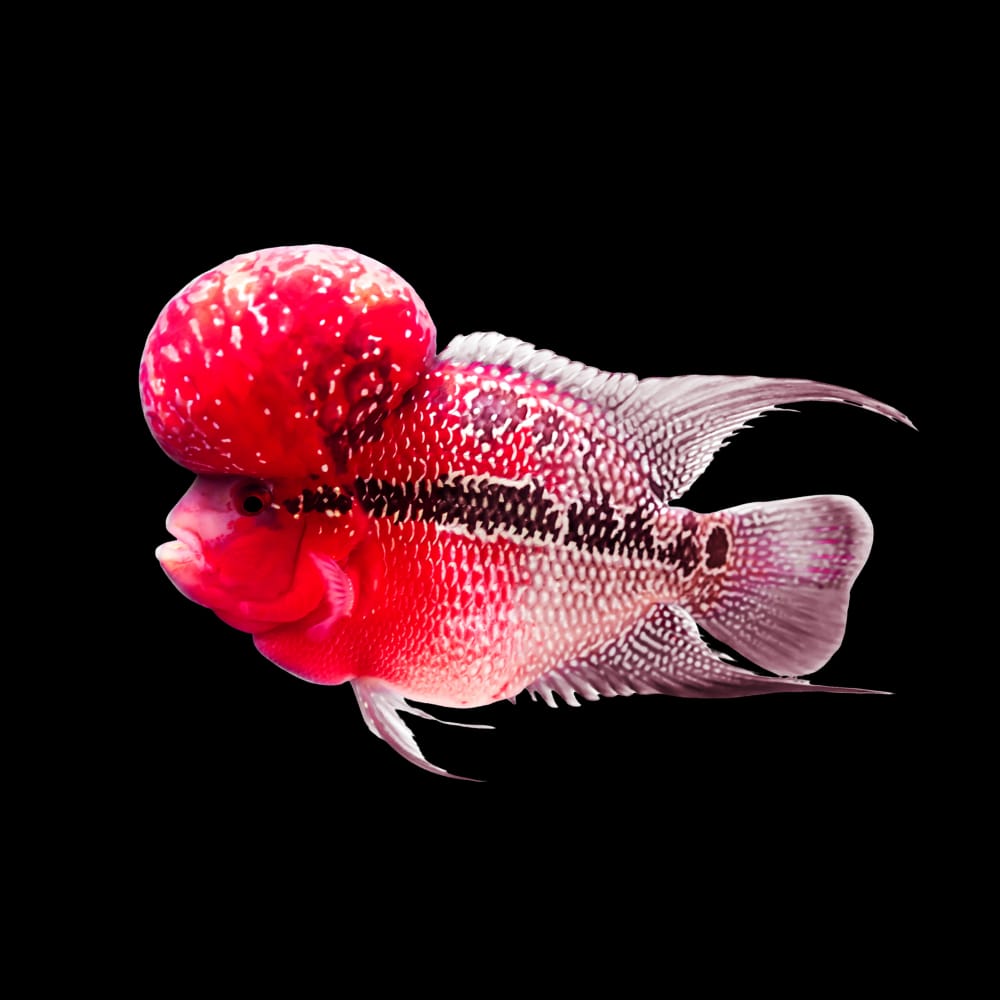
In the world of exotic aquatics, few species command as much attention, debate, and monetary value as the Flowerhorn fish. Known for its vivid coloration, distinctive body shape, and prominent nuchal hump (kok), the Flowerhorn has evolved far beyond a decorative aquarium fish. Today, rare Flowerhorn specimens are increasingly viewed as niche assets—valued by collectors, breeders, and investors across the globe.
As demand continues to grow, understanding the dynamics behind flowerhorn for sale listings and the factors that determine flowerhorn fish price has become essential for anyone entering this specialized market.
The Origins of the Flowerhorn Phenomenon
Flowerhorn fish are a man-made hybrid, originally developed in Southeast Asia during the late 20th century. By selectively crossbreeding various Central American cichlids, breeders achieved a fish with dramatic coloration, an exaggerated head growth, and bold personality traits. What began as an experimental breeding project quickly became a cultural and economic phenomenon, especially in countries like Malaysia, Thailand, Taiwan, and China.
Over time, Flowerhorns became symbols of luck, prosperity, and status. This cultural significance helped transform them from ornamental pets into prized collectibles.
From Aquarium Fish to Niche Asset
Unlike most aquarium species that depreciate over time, rare Flowerhorns can increase in value. High-quality specimens with exceptional traits—such as symmetrical kok development, intense pearling, and stable coloration—are often resold at higher prices as they mature.
Collectors now approach Flowerhorn ownership with a mindset similar to art or rare watch collecting. Proven bloodlines, breeder reputation, and competition awards all contribute to long-term value. In this context, purchasing a Flowerhorn is no longer just a hobby decision—it can be a strategic acquisition.
What Drives Flowerhorn Fish Price?
The flowerhorn fish price varies dramatically, ranging from modest sums for juvenile fish to five- or even six-figure amounts for elite specimens. Several key factors influence pricing:
- Genetics and Bloodline
Fish descended from well-documented, award-winning lines command significantly higher prices. Bloodline transparency is critical in the premium market. - Kok Size and Shape
The nuchal hump is one of the most defining features of a Flowerhorn. Large, proportionate, and well-balanced koks increase value substantially. - Coloration and Pearling
Bright reds, deep blues, and dense, evenly distributed pearling are highly sought after. Color stability over time is especially important. - Body Structure and Health
A thick body, strong fins, and confident swimming posture indicate superior quality and long-term potential. - Age and Development Stage
While juveniles are more affordable, mature Flowerhorns with fully expressed traits often sell for much higher prices due to reduced uncertainty.
Global Demand and the Collector Market
The Flowerhorn market is truly global. Collectors in Asia, Europe, the Middle East, and North America actively participate in online auctions, private sales, and international exhibitions. Social media platforms and specialized forums have further accelerated demand by showcasing rare specimens to a worldwide audience.
This global visibility has intensified competition for top-tier fish. As a result, reputable breeders often maintain waitlists, and premium flowerhorn for sale listings can sell within hours of being posted.
The Role of Breeders and Reputation
In the high-value Flowerhorn market, the breeder’s name carries immense weight. Established breeders invest years refining specific traits, stabilizing bloodlines, and building trust within the community. Their fish are not only visually superior but also come with documented lineage and care histories.
For buyers, purchasing from a respected breeder reduces risk and increases the likelihood of acquiring a fish that will retain or grow in value. This mirrors the art world, where provenance is just as important as appearance.
Investment Potential and Risks
While rare Flowerhorns can function as niche assets, they are not without risk. Prices can fluctuate based on trends, breeding innovations, and market saturation. Additionally, maintaining a high-value Flowerhorn requires expertise, proper equipment, and ongoing care.
However, experienced collectors often mitigate these risks through diversification—owning multiple fish from different bloodlines—or by focusing on long-term holding rather than quick resale. When managed responsibly, Flowerhorn ownership can combine aesthetic enjoyment with financial upside.
Ethical Breeding and Sustainability
As prices rise, ethical considerations become increasingly important. Responsible breeders prioritize fish health, genetic diversity, and humane practices over mass production. Discerning collectors are now more likely to support sellers who emphasize transparency and sustainability.
This shift toward ethical sourcing is helping stabilize the market and protect the long-term reputation of Flowerhorn collecting as a serious pursuit rather than a speculative bubble.
The Future of the Flowerhorn Market
Looking ahead, the Flowerhorn market shows signs of continued evolution. Advances in selective breeding are producing more refined traits, while digital platforms are making high-end fish accessible to a broader audience. At the same time, increased education among buyers is leading to more informed purchasing decisions.
As with any collectible asset, rarity, quality, and story will define future value. Fish that embody all three are likely to remain in demand among elite collectors.
Conclusion: More Than a Fish
Rare Flowerhorn fish occupy a unique space at the intersection of art, culture, and investment. Their striking appearance captures attention, while their market dynamics reward knowledge and patience. Understanding the forces behind flowerhorn fish price, as well as knowing how to evaluate reputable flowerhorn for sale opportunities, is essential for anyone looking to participate in this niche market.
Whether acquired for passion, prestige, or portfolio diversification, the Flowerhorn stands as a testament to how living creatures can become high-value assets—when rarity, craftsmanship, and global demand converge.