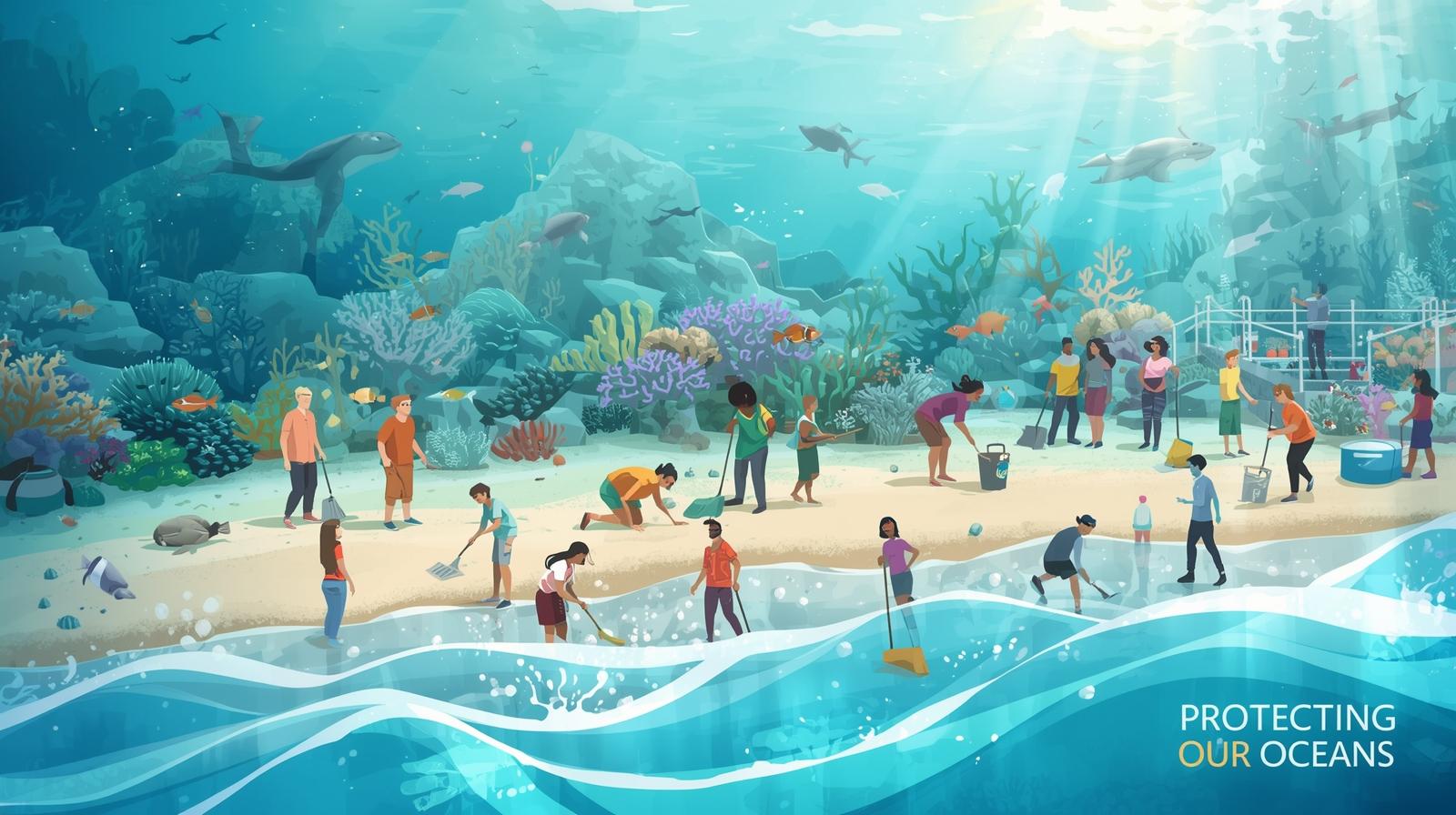
Our oceans are vast, mysterious, and vital to life on Earth. They cover over 70% of our planet’s surface, providing habitat to countless marine species and playing a crucial role in regulating our climate. However, human activities are putting immense pressure on these precious ecosystems. From overfishing to pollution, the threats are numerous and the time to act is now. Let’s explore how sustainable fisheries, ocean conservation, and coral reef protection can help safeguard our oceans for future generations.
Oceans are not just bodies of water; they are life-support systems. They produce more than half of the world’s oxygen and absorb carbon dioxide, helping to mitigate climate change. Oceans also support a rich diversity of life, from the tiniest plankton to the largest whales. Millions of people rely on the oceans for food, livelihoods, and recreation. Given their importance, protecting our oceans is a global responsibility.
Fisheries are a major source of food and income for millions worldwide. However, overfishing has led to the depletion of many fish stocks, threatening marine biodiversity and the livelihoods of those who depend on fishing. Sustainable fisheries are essential for maintaining the balance of ocean ecosystems and ensuring food security for future generations.
Sustainable fisheries are those that manage fish stocks responsibly, ensuring that fishing practices do not harm the marine environment or deplete resources. This involves setting quotas, monitoring fish populations, and using fishing techniques that minimize bycatch and habitat damage.
- Environmental Balance: By managing fish stocks sustainably, we help maintain the natural balance of ocean ecosystems.
- Economic Stability: Sustainable fisheries support long-term economic growth by preventing the collapse of fish stocks.
- Food Security: They ensure a reliable source of seafood for future generations.
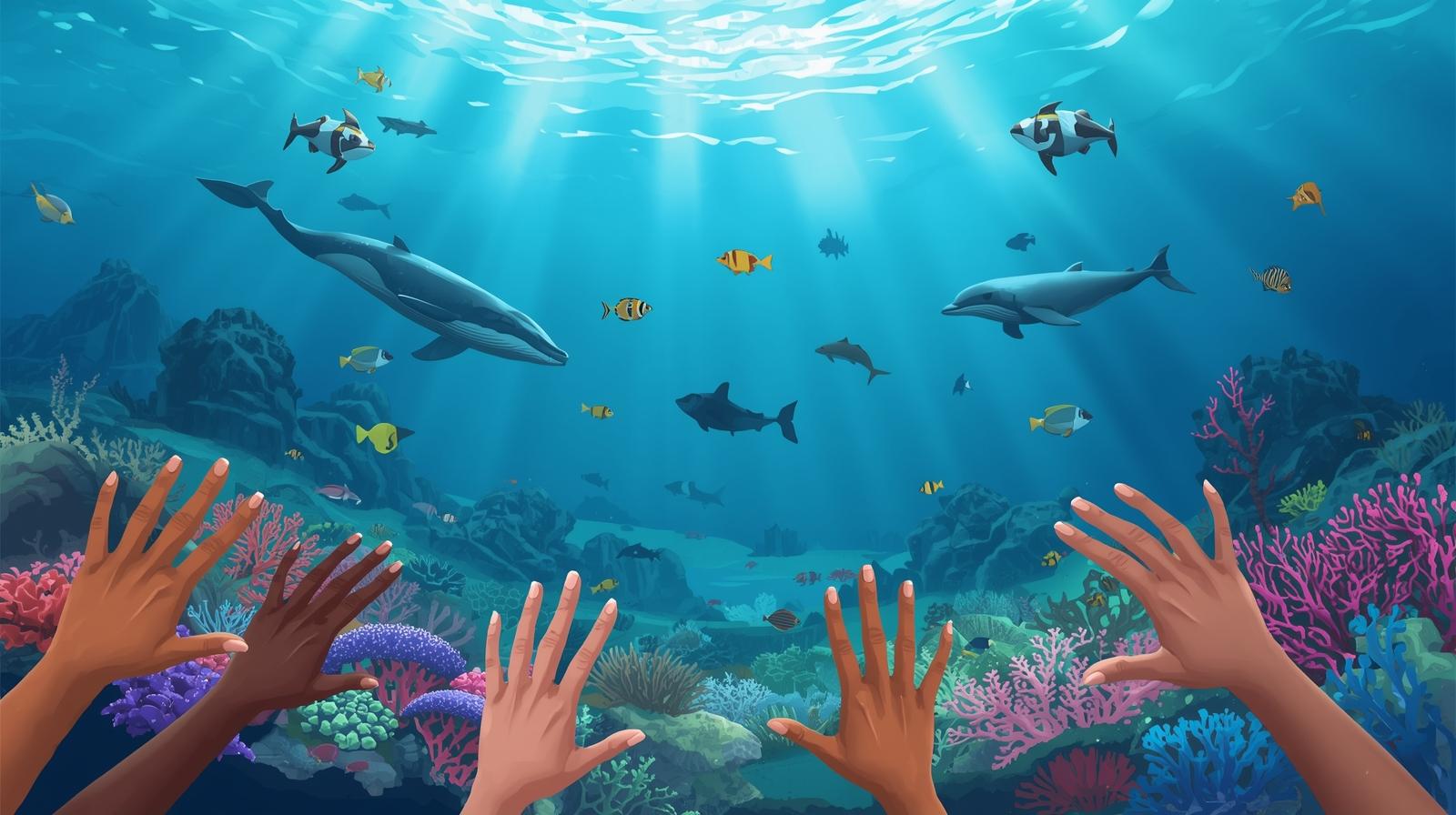
Ocean conservation goes beyond sustainable fisheries. It encompasses a range of efforts aimed at protecting marine biodiversity, reducing pollution, and mitigating climate change impacts.
One effective strategy for ocean conservation is the establishment of Marine Protected Areas (MPAs). These are regions of the ocean where human activities are regulated to protect the natural environment.
- Biodiversity Preservation: MPAs provide safe havens for marine life, allowing ecosystems to recover and thrive.
- Scientific Research: Protected areas offer opportunities for scientists to study marine ecosystems and develop conservation strategies.
- Tourism and Recreation: Well-managed MPAs can boost local economies through eco-tourism and recreational activities.
Pollution, particularly plastic waste, poses a significant threat to ocean health. Reducing plastic usage, improving waste management, and cleaning up existing pollution are critical steps in protecting our oceans.
- Reduce, Reuse, Recycle: Encouraging these practices can significantly cut down on plastic waste entering our oceans.
- Innovative Solutions: Technologies like ocean cleanup devices can help remove plastic waste from the water.
- Policy and Legislation: Governments must enforce strict regulations to prevent pollution and hold polluters accountable.
Coral reefs are often referred to as the “rainforests of the sea” due to their incredible biodiversity. They provide habitat for a wide range of marine species and protect coastlines from erosion. However, they are highly vulnerable to climate change, pollution, and destructive fishing practices.
- Biodiversity Hotspots: Reefs support an estimated 25% of all marine species.
- Coastal Protection: They act as natural barriers, reducing the impact of waves and storms on coastal communities.
- Economic Value: Coral reefs contribute billions to the global economy through tourism, fishing, and pharmaceuticals.
- Reducing Carbon Emissions: Addressing climate change is crucial for the survival of coral reefs. Reducing carbon emissions and transitioning to renewable energy sources can help mitigate the impacts of global warming.
- Restoration Projects: Coral restoration projects involve growing and transplanting corals to damaged areas to help regenerate reefs.
- Community Involvement: Engaging local communities in conservation efforts ensures sustainable practices and greater awareness of the importance of reefs.
Protecting our oceans requires collective action from individuals, communities, governments, and organizations worldwide. Here are some ways you can contribute:
- Educate Yourself and Others: Learn about ocean conservation and share information to raise awareness.
- Support Sustainable Practices: Choose sustainably sourced seafood and reduce plastic usage.
- Advocate for Policy Change: Support policies and initiatives that aim to protect the ocean environment.
The health of our oceans is intricately linked to the health of our planet. By promoting sustainable fisheries, conserving marine environments, and protecting coral reefs, we can ensure that our oceans remain vibrant and life-sustaining for generations to come. It is a global responsibility that requires immediate and sustained action. Together, we can make a difference.