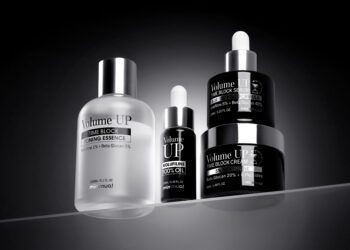
Skin sensitivity isn’t just about occasional redness or the sting you get from a harsh product – it’s an ongoing condition that requires consistent, gentle care. And the root of that care is cleansing. Many people underestimate how much a daily cleansing step influences their skin’s long-term health. Using the wrong cleanser can disrupt the skin barrier, trigger inflammation, and make every product that follows feel like too much. Using the right one – such as a professional face cleanser by Christina – creates a healthy foundation and improves everything else that comes after.
This article will walk you through the science of sensitive skin, explain why proper cleansing matters, and offer practical steps for building a calming, protective routine.
What Sensitive Skin Really Is
Sensitive skin isn’t a medical diagnosis. It’s an umbrella term used to describe skin that overreacts to certain ingredients, environments, or treatments. Dermatologists define sensitive skin as a hyper-reactive state of the skin barrier and nervous system.
That means even mild triggers (cold, wind, fragrances, harsh surfactants) can cause irritation, burning, or visible redness. Research shows that people with sensitive skin tend to have a compromised skin barrier and higher levels of neurogenic inflammation (source: PubMed), Beauty concerns often overlap across different routines—for example, many people ask does gel polish ruin your nails, and how a weakened surface (skin or nail) responds to stress and products
In simple terms: the skin is more exposed, less protected, and more reactive.
Common Causes and Triggers
Some people are genetically predisposed to sensitive skin, but external factors also contribute. Here are the most common triggers:
- Harsh surfactants – found in many foaming cleansers, they strip natural lipids.
- Cold or dry weather – reduces the skin’s ability to retain moisture.
- Fragrance and essential oils – often cause irritation or allergic reactions.
- Over-exfoliation – weakens the barrier and causes micro-inflammation.
- Incorrect pH in skincare – disrupts the skin’s natural acid mantle.
- Hard water – can leave mineral residues that irritate the skin.
Signs You May Have Sensitive Skin
Not sure if this applies to you? Here are the most common symptoms:
- Burning or stinging after using basic products (cleanser, lotion, sunscreen)
- Patches of redness, especially after showering or cleansing
- Tightness or itching without a clear reason
- Visible dryness or flakiness around the cheeks and nose
- Reaction to weather changes (wind or heat)
- Small bumps after new products or active ingredients
How to Tell If It’s Really Sensitivity
Sometimes breakouts or redness are confused with sensitivity. Try these self-checks:
Patch Test – Apply a small amount of product behind the ear or on your inner forearm. If irritation occurs within 24 hours, your skin is likely reactive.
Ingredient Pattern – Track ingredients across products. If you notice repeated reactions to sulfates, synthetic fragrances, or AHAs/BHAs, sensitivity is likely the cause.
When to See appropriate specialist
- Symptoms persist even after switching to gentle products
- Flare-ups are accompanied by swelling, blistering, or pain
- You suspect rosacea, perioral dermatitis, or eczema
A dermatologist or esthetician can run professional skin tests and recommend a professional face cleanser by Christina tailored to irritated or compromised skin.
How to Properly Cleanse Sensitive Skin (Step-By-Step)
- Choose a Low-Irritation Formula
Look for a professional face cleanser by Christina with a mild, non-foaming base. Avoid sulfates, alcohols, synthetic dyes, and essential oils.
- Check the pH Level
Ideally between 5.0 and 5.5 to match the skin’s natural pH. - Use Lukewarm (Not Hot) Water
Hot water increases blood flow to the skin’s surface and can intensify redness and discomfort. - Apply Gently with Fingers
Avoid washcloths, sponges, or cleansing devices. Massage product in circular motions for 30 – 45 seconds. - Rinse Thoroughly
Make sure no cleanser residue is left on the skin – it can trigger irritation. - Follow Immediately with a Soothing Step
Apply an alcohol-free face lotion for sensitive skin right after cleansing to prevent transepidermal water loss (TEWL).
Product Advice by Skin Type
Oily Sensitive Skin
- Use a light gel-based professional face cleanser by Christina designed for sensitive or post-treatment skin.
- Follow with a face lotion for sensitive skin that contains niacinamide or centella asiatica (soothes without clogging pores).
Dry Sensitive Skin
- Use a milky or creamy cleanser with ceramides or panthenol.
- Follow with a richer face lotion for sensitive skin that includes hyaluronic acid and calming botanical extracts.
Combination Sensitive Skin
- Use a fluid-cream cleanser (not overly oily, not stripping).
- Apply different lotions on different areas if needed (lighter on the T-zone, richer on the cheeks).
Very Reactive/Post-Procedure Skin
- Choose a professional face cleanser by Christina that’s specifically labeled for dermatological use or post-procedure care.
- Follow with a minimal-ingredient face lotion for sensitive skin (no fragrance or active acids).
Common Mistakes and Myths
“The stronger the cleanser, the deeper the clean.”
Harsh surfactants don’t remove more dirt – they remove more of your own protective barrier.
“If skin feels tight, it means it’s clean.”
Tightness after cleansing is a sign of barrier disruption.
“Sensitive skin can’t use active ingredients.”
It can – but only when the barrier is healthy and the formula is buffered.
“Skip face lotion to avoid clogged pores.”
Skipping hydration forces the skin to produce more oil and increases sensitivity. A face lotion for sensitive skin actually reduces oil overproduction.
FAQs
Q: Can I double cleanse if I have sensitive skin?
A: Yes, as long as both cleansers are gentle. Avoid oil cleansers with strong fragrance. Follow with a professional face cleanser by Christina that’s designed for sensitive or reactive skin.
Q: How often should I cleanse?
A: Twice a day – morning and night. Cleansing at night removes pollutants and sunscreen; morning cleansing prepares the skin for products and helps reduce inflammation.
Q: Should I avoid all fragrances?
A: Ideally yes. Natural essential oils can be just as irritating as synthetic fragrance for sensitive skin.
Q: Do I still need a face lotion if my cleanser is hydrating?
A: Absolutely. Even a hydrating cleanser doesn’t lock in moisture long-term. Apply a face lotion for sensitive skin immediately after cleansing to seal in hydration.
Conclusion
Proper cleansing is the foundation of any successful skincare routine – especially for sensitive skin. When the cleansing step is gentle and formulated to support the skin barrier, everything that follows (toners, serums, SPF) becomes more effective and less irritating.
Choose a professional face cleanser by Christina with a low-irritation formula and balanced pH. Follow up with a face lotion for sensitive skin to restore hydration and reduce reactivity.
For additional support in building a gentle routine, brands like QureSkincare also offer science-backed solutions designed specifically for sensitive skin.