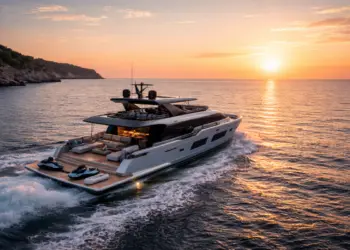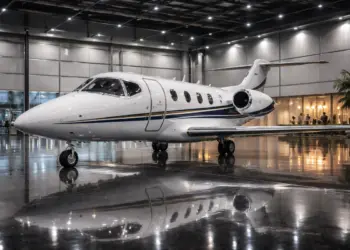
Extended-range travel has evolved beyond speed and distance—it now prioritizes comfort, wellness, and seamless connectivity. Modern private jets and yachts designed for long-haul comfort transform journeys spanning thousands of miles into relaxing, restorative experiences. From ultra-long-range business aircraft to comfort-optimized superyachts, designers integrate advanced noise insulation, cabin pressurization, and ergonomically crafted interiors to reduce fatigue and enhance onboard wellbeing.
For ultra-high-net-worth individuals, lifestyle investors, and luxury travelers, these platforms represent the pinnacle of travel engineering. Advanced cabin architecture includes spa-like spaces, circadian lighting systems, and climate-controlled environments that mimic optimal terrestrial conditions. Consequently, passengers arrive rested, focused, and ready to engage in business or leisure activities, no matter the distance.
Moreover, vessels designed for long-haul comfort leverage state-of-the-art technology to maintain quiet, low-vibration environments, high-speed connectivity, and wellness-focused features. These platforms combine aesthetics, performance, and functionality to create a travel experience where every detail from hull stabilization to personalized cabin settings is optimized for ultra-long-range indulgence.
Engineering for Comfort in Extended-Range Travel
Yachts: Stabilization, Propulsion, and Hull Design
Extended voyages at sea demand meticulous engineering. Comfort-optimized superyachts use active stabilization fins, gyroscopic systems, and low-vibration propulsion to reduce motion sickness and enhance onboard serenity. Hull designs balance hydrodynamic efficiency with interior space utilization, enabling full-beam suites, wellness zones, and spacious lounges without compromising performance.
Advanced propulsion systems include hybrid diesel-electric drives, pod drives, and optimized propellers that reduce noise and maintain fuel efficiency over long ranges. Noise reduction is further enhanced through acoustic insulation in bulkheads, engine rooms, and deck assemblies, creating an environment suitable for work, relaxation, or sleep.
Private Jets: Pressurization, Noise, and Cabin Wellness
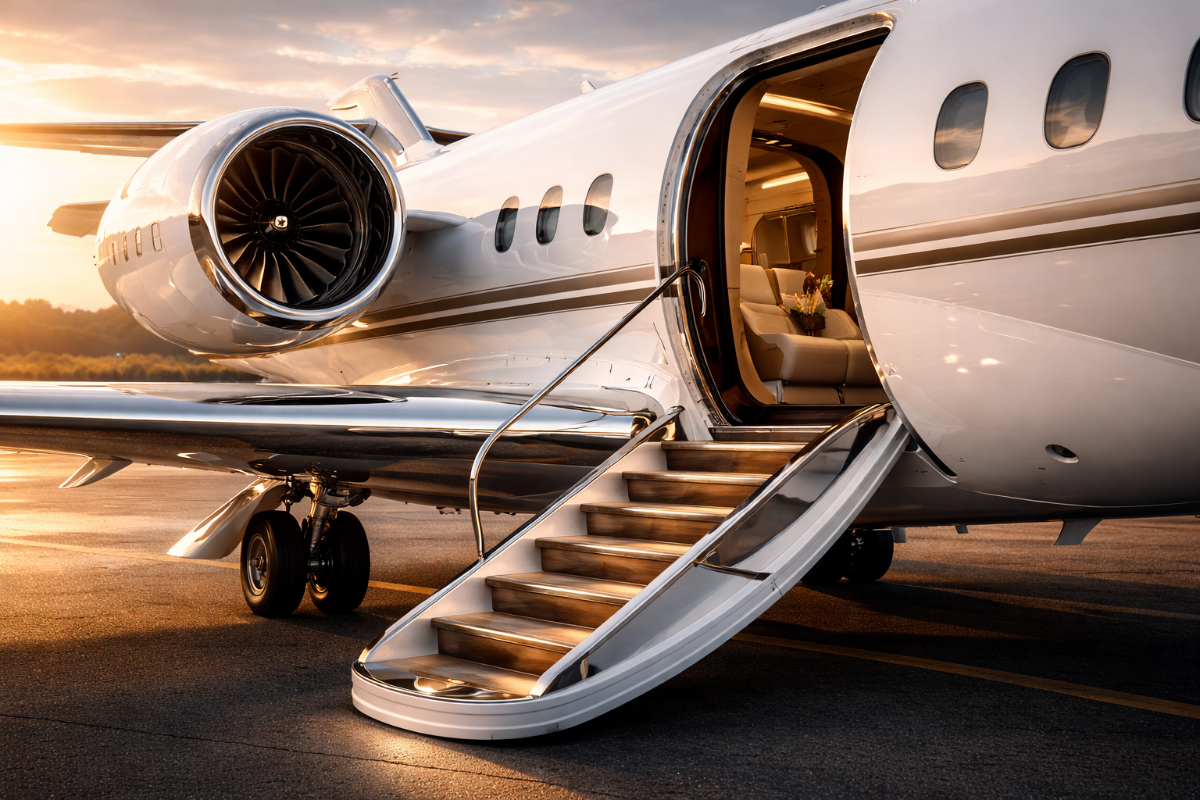
Extended-range business aircraft achieve similar comfort priorities through optimized cabin pressurization, low-vibration engines, and advanced soundproofing. Cabin altitude control—often maintained below 6,000 feet equivalent—reduces fatigue on long-haul flights, while circadian lighting systems simulate natural daylight cycles to support passengers’ sleep and alertness.
High-speed satellite connectivity, smart climate control, and air purification systems ensure that passengers remain comfortable and productive. Moreover, fully customizable interiors allow for private suites, conference rooms, and wellness spaces, aligning aviation luxury with the demands of ultra-high-net-worth travelers.
Leading Long-Range Yachts Comparison
| Yacht | Range (NM) | Stabilization System | Accommodation Capacity | Wellness Amenities | Propulsion Type |
|---|---|---|---|---|---|
| Azzam | 6,000+ | Active fins + gyroscope | 36 guests | Spa, gym, pool | Diesel engines |
| Dilbar | 4,000 | Gyroscopic stabilizers | 24 guests | Sauna, pool, wellness suite | Diesel-electric |
| REV Ocean | 7,000 | Active fins | 40 guests | Gym, pool, spa | Hybrid diesel-electric |
| Rising Sun | 3,500 | Gyro + fin stabilizers | 28 guests | Wellness deck, spa | Diesel |
Interior Features and Onboard Systems
Luxury yachts now feature integrated smart systems controlling lighting, HVAC, and entertainment. Circadian-adjusted lighting, low-emission air filtration, and soundproofing materials enhance sleep quality and overall wellness. Full-beam master suites include private terraces, spas, and climate-controlled amenities for extended comfort.
Smart climate systems regulate temperature and humidity in different decks, while noise-reducing bulkheads and acoustic isolation allow social spaces, work areas, and bedrooms to operate simultaneously without interference.
Ultra-Long-Range Private Jets Comparison
| Aircraft | Range (NM) | Cabin Altitude (ft) | Noise Level (dB) | Sleeping Capacity | Cabin Technology Features |
|---|---|---|---|---|---|
| Gulfstream G800 | 8,000+ | 4,850 | 45 | 6 | Smart lighting, air purification, high-speed Wi-Fi |
| Bombardier Global 7500 | 7,700 | 5,680 | 47 | 5 | Circadian lighting, connected cabin, climate control |
| Dassault Falcon 10X | 7,500 | 4,900 | 44 | 6 | Noise insulation, AI cabin management, touch controls |
| Embraer Lineage 1000E | 4,600 | 5,800 | 50 | 4 | Air purification, media system, climate zones |
Wellness and Sleep Optimization
Extended travel impacts passenger circadian rhythms, hydration, and energy levels. High-end vessels employ wellness zones, including saunas, pools, spa rooms, and meditation areas. Similarly, private jets integrate cabin layout optimization, sleep pods, and lighting systems that align with passengers’ natural sleep cycles.
Moreover, advanced air filtration, low cabin altitude, and vibration damping technologies reduce fatigue and maintain onboard comfort throughout ultra-long-range journeys.
Connectivity, Entertainment, and Productivity
High-speed satellite connectivity enables seamless communication and work continuity on both yachts and private jets. Smart cabin systems allow passengers to adjust lighting, temperature, and entertainment settings remotely. Workspaces and conference rooms aboard aircraft, and lounges on yachts, provide ultra-high-net-worth individuals with both relaxation and productivity during extended travel.
Maintenance, Crew, and Operational Considerations
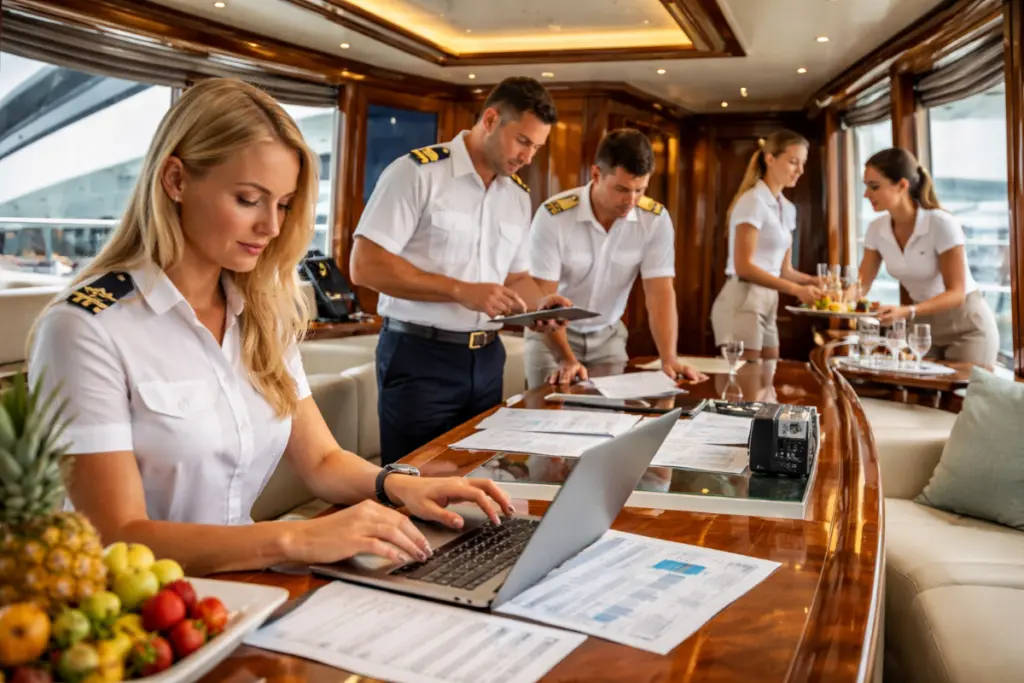
Operating comfort-optimized superyachts and extended-range business aircraft requires specialized crew training, frequent maintenance, and comprehensive planning. Crew roles extend beyond navigation to wellness, hospitality, and technical support for onboard systems.
Maintenance schedules ensure propulsion efficiency, stabilizer calibration, HVAC performance, and cabin technology reliability. Customized support teams also allow owners to manage travel logistics and optimize long-haul performance.
The Future of Long-Haul Luxury Travel
Looking beyond 2026, innovations in AI-driven cabin personalization, sustainable materials, next-generation stabilization systems, and enhanced connectivity will redefine Private Jets and Yachts Designed for Long-Haul Comfort.
-
AI-Enhanced Cabins: Intelligent adjustments of lighting, climate, and entertainment tailored to passenger habits.
-
Sustainable Materials: Carbon-neutral composites, renewable energy systems, and eco-friendly finishes.
-
Next-Gen Stabilization: Gyroscopic and fin systems integrated with AI for ultra-smooth motion.
-
Connectivity Advances: Ultra-high-speed satellite and IoT integration for real-time data and work continuity.
Consequently, ultra-long-range travel will continue to merge indulgence with performance, creating experiences where luxury, wellness, and technology converge seamlessly for the world’s most discerning travelers.
FAQ: Private Jets and Yachts Designed for Long-Haul Comfort
1. What are typical operating costs?
Operating costs include fuel, crew salaries, maintenance, and dockage or hangar fees, often reaching millions annually for ultra-long-range assets.
2. How many crew members are required?
Depending on vessel or aircraft size, crews may range from 6–40 members for yachts and 3–8 for private jets.
3. What maintenance considerations exist?
Routine inspections, engine servicing, stabilization calibration, and cabin system updates are essential to maintain comfort and safety.
4. Can interiors be customized?
Yes, cabins and suites are highly customizable with bespoke furnishings, wellness systems, and smart technology integrations.
5. What are the long-haul performance benefits?
Optimized comfort, reduced fatigue, and seamless connectivity allow passengers to travel thousands of nautical miles efficiently while maintaining wellbeing and productivity.