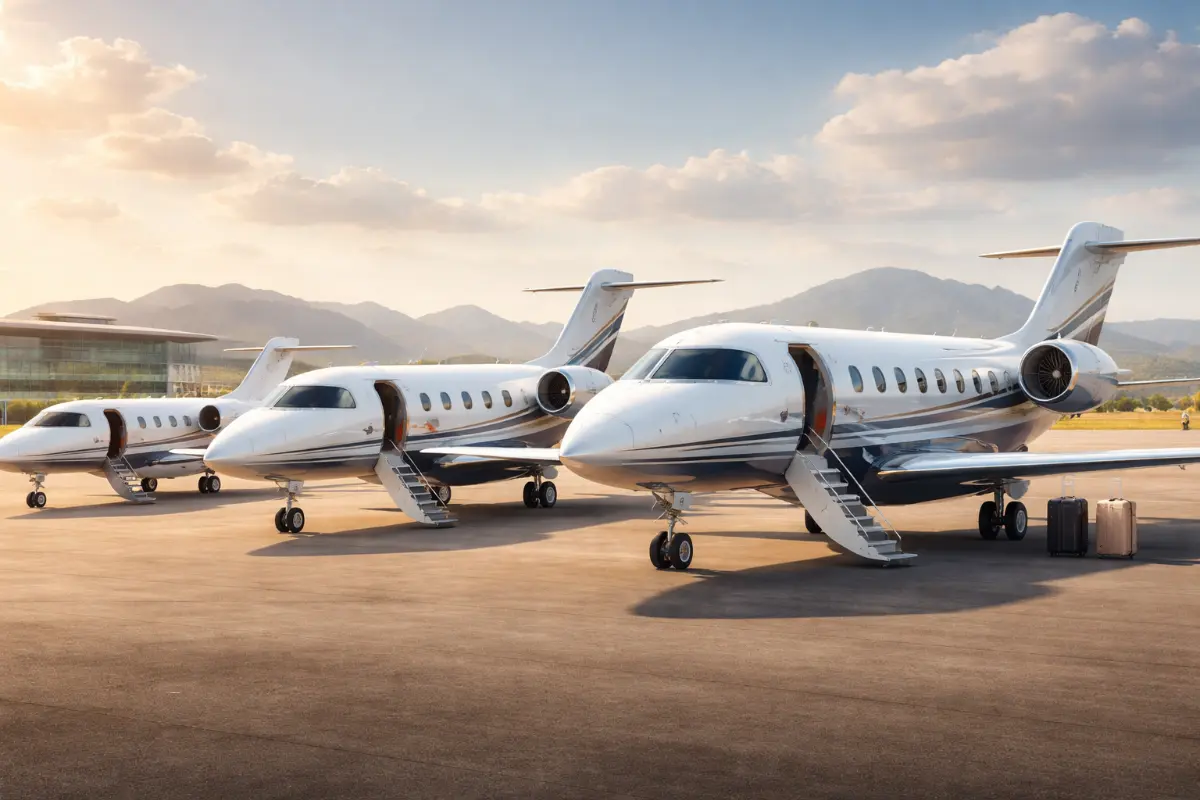
Private aviation offers far more than simply traveling from one city to another. The aircraft you choose directly shapes your entire journey. From cabin comfort to flight range, every detail depends on the aircraft category. This is why understanding Private Jet Sizes is essential for anyone considering private travel.
Private jets range from compact aircraft with four seats to large, luxurious cabins accommodating up to twenty passengers. Consequently, the size of the jet determines seating space, baggage capacity, onboard amenities, and flight distance. Moreover, larger jets typically provide greater comfort and longer range, while smaller jets offer flexibility and lower charter costs.
Today, business travelers, executives, and leisure passengers increasingly evaluate Private Jet Sizes before booking a charter. Choosing the right aircraft ensures a smoother experience, whether flying a short regional route or crossing continents. Therefore, understanding how jet sizes affect flight experience helps travelers select the most suitable aircraft for their journey.
Understanding Private Jet Sizes and Passenger Capacity
Private jets are typically categorized based on their size, cabin dimensions, and flight capabilities. These categories help travelers and charter operators determine the best aircraft for specific routes and passenger groups.
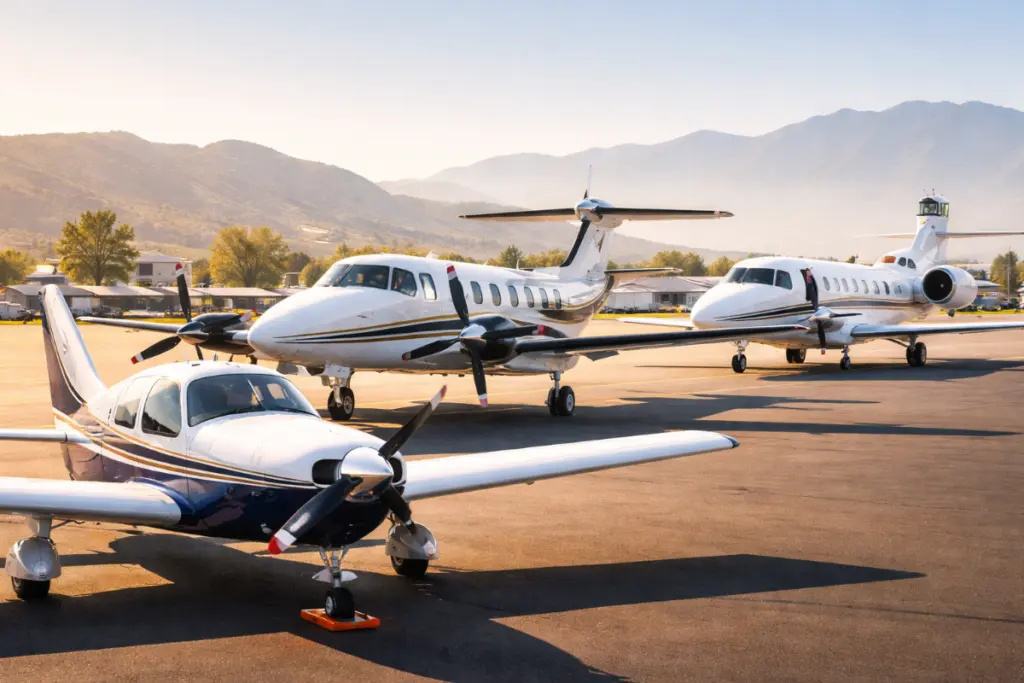
Generally, private jets fall into five primary categories:
-
Very Light Jets (VLJs)
-
Light Jets
-
Midsize Jets
-
Super Midsize Jets
-
Heavy Jets
Each category offers different seating capacities and cabin features. Consequently, the number of passengers a jet can carry varies significantly across these categories.
Typical Seating Range
Most private jets accommodate between 4 and 20 passengers depending on the aircraft type. Smaller jets focus on efficiency and speed, while larger aircraft emphasize comfort and long-range capability.
Typical seating ranges include:
-
Very Light Jets: 4–5 passengers
-
Light Jets: 6–8 passengers
-
Midsize Jets: 7–9 passengers
-
Super Midsize Jets: 8–10 passengers
-
Heavy Jets: 10–20 passengers
Moreover, larger aircraft often provide stand-up cabins, full galleys, and enclosed lavatories. Smaller jets, however, may have limited luggage space and shorter flight ranges.
Private Jet Categories Explained
Understanding each jet category helps travelers match aircraft size to their travel requirements. Every category balances seating, range, and comfort differently.
Very Light Jets (VLJs)
Very light jets are the smallest aircraft in private aviation. They are designed for short regional trips and small passenger groups.
Key features include:
-
Seating for 4–5 passengers
-
Range around 1,000–1,200 nautical miles
-
Compact cabins
-
Lower charter costs
Moreover, VLJs can access smaller airports, which allows travelers to land closer to their destination. However, luggage space is limited, and cabins may feel tight on longer flights.
These jets work best for short business trips or quick regional travel.
Light Jets
Light jets provide more cabin space and better range than VLJs while remaining cost-efficient.
Typical features include:
-
Seating for 6–8 passengers
-
Range around 1,500–2,000 nautical miles
-
Enclosed lavatory in many models
-
Moderate baggage capacity
Consequently, light jets are popular for short to medium flights between major cities. They offer improved comfort while maintaining reasonable charter pricing.
Midsize Jets
Midsize jets significantly improve both cabin comfort and flight range.
Typical characteristics include:
-
Seating for 7–9 passengers
-
Range around 2,000–3,000 nautical miles
-
Stand-up cabins in some models
-
Larger baggage compartments
Moreover, these jets often feature better onboard amenities such as refreshment centers and entertainment systems. Therefore, midsize jets are commonly used for cross-country travel.
Super Midsize Jets
Super midsize jets bridge the gap between midsize aircraft and heavy jets.
They typically offer:
-
Seating for 8–10 passengers
-
Range of 3,000–4,000 nautical miles
-
Full stand-up cabins
-
Larger lavatories and galleys
Consequently, these jets are ideal for longer domestic flights or short international routes. Business travelers frequently prefer this category because it balances comfort and efficiency.
Heavy Jets
Heavy jets represent the largest category within standard private aviation.
These aircraft feature:
-
Seating for 10–20 passengers
-
Range of 5,000+ nautical miles
-
Spacious cabins with multiple seating areas
-
Full kitchens and large luggage storage
Moreover, heavy jets often include luxury amenities such as conference areas, lie-flat seating, and advanced entertainment systems. Therefore, they are ideal for long-haul flights and group travel.
Private Jet Categories
| Jet Category | Seating Capacity | Average Range | Typical Charter Cost (Per Hour) |
|---|---|---|---|
| Very Light Jet | 4–5 | 1,000–1,200 nm | $2,000 – $3,000 |
| Light Jet | 6–8 | 1,500–2,000 nm | $3,000 – $4,500 |
| Midsize Jet | 7–9 | 2,000–3,000 nm | $4,500 – $6,500 |
| Super Midsize Jet | 8–10 | 3,000–4,000 nm | $6,500 – $8,500 |
| Heavy Jet | 10–20 | 5,000+ nm | $8,500 – $15,000 |
However, these prices vary depending on route distance, demand, and aircraft availability.
How Private Jet Sizes Affect Flight Range?
Aircraft size directly impacts how far a jet can fly without refueling. Larger jets have greater fuel capacity and more powerful engines.
Consequently, flight range increases as aircraft size grows.
Examples include:
-
VLJs: Ideal for short regional flights
-
Light Jets: Suitable for short-to-medium routes
-
Midsize Jets: Capable of coast-to-coast travel
-
Super Midsize Jets: Suitable for transcontinental flights
-
Heavy Jets: Designed for intercontinental travel
Moreover, larger jets maintain better stability during long flights. Therefore, passengers often experience smoother travel on heavier aircraft.
Luggage Capacity and Storage
Another important factor influenced by Private Jet Sizes is baggage space.
Smaller jets typically have external luggage compartments with strict weight limits. However, larger jets provide significantly more storage capacity.
Typical luggage capabilities include:
-
VLJs: 3–4 suitcases
-
Light Jets: 5–7 suitcases
-
Midsize Jets: 7–9 suitcases
-
Super Midsize Jets: 9–12 suitcases
-
Heavy Jets: 15+ suitcases
Consequently, travelers carrying sports equipment, business materials, or extended travel luggage often choose midsize or heavy jets.
Onboard Comfort and Amenities
Comfort levels change dramatically as jet size increases.
Smaller jets focus on efficiency rather than luxury. However, larger aircraft offer a wide range of amenities designed for long journeys.
Examples of onboard features include:
-
Fully reclining seats
-
Stand-up cabins
-
Private lavatories
-
Satellite Wi-Fi
-
Full galleys
-
Entertainment systems
Moreover, heavy jets often provide separate lounge areas or conference seating. Therefore, these aircraft are popular among executives traveling with teams.
Small Jets vs Midsize Jets vs Heavy Jets
| Feature | Small Jets (VLJ + Light) | Midsize Jets | Heavy Jets |
|---|---|---|---|
| Comfort Level | Moderate | High | Luxury |
| Cabin Height | Limited | Partial stand-up | Full stand-up |
| Passenger Capacity | 4–8 | 7–9 | 10–20 |
| Flight Duration | 2–3 hours | 4–6 hours | 10+ hours |
| Luggage Capacity | Limited | Moderate | Large |
Consequently, travelers must balance comfort and cost when choosing the right aircraft category.
Cost Considerations and Charter Pricing
Aircraft size strongly affects charter pricing.
Smaller jets require less fuel, smaller crews, and lower operating costs. Therefore, they offer the most economical option for short flights.
However, heavy jets cost significantly more due to:
-
Higher fuel consumption
-
Larger flight crews
-
Increased maintenance
-
Luxury cabin features
Despite the higher price, large jets become cost-effective for longer flights or larger groups.
For example:
-
A small group traveling two hours may choose a light jet.
-
A corporate team flying internationally may require a heavy jet.
Consequently, selecting the correct aircraft size prevents unnecessary expenses while ensuring passenger comfort.
Trends in Private Aviation and Aircraft Selection
Private aviation demand has grown significantly in recent years. Travelers increasingly value flexibility, privacy, and efficiency.
As a result, aircraft selection has become more strategic.
Key trends include:
-
Business travelers prioritizing super midsize jets for long domestic flights
-
Families choosing light jets for regional travel
-
Corporations using heavy jets for international meetings
-
Charter clients focusing on aircraft efficiency and comfort
Moreover, many travelers now compare Private Jet Sizes before booking. Understanding aircraft capacity and capabilities ensures the best travel experience.
Charter brokers often recommend jets based on:
-
Passenger count
-
Flight distance
-
Luggage requirements
-
Budget considerations
-
Airport accessibility
Therefore, choosing the correct aircraft category is a critical part of private aviation planning.
Choosing the Right Private Jet Size
Selecting the right aircraft requires balancing several factors.
Travelers should consider:
Passenger count
A jet must comfortably accommodate everyone onboard.
Flight distance
Longer routes require jets with greater range.
Luggage requirements
Extended trips or group travel demand more storage.
Cabin comfort
Larger jets provide more space for meetings, relaxation, or sleep.
Budget
Smaller jets reduce charter costs for short trips.
Consequently, the ideal aircraft size depends entirely on travel needs rather than simply choosing the largest jet available.
The Future of Private Jet Sizes
Aircraft manufacturers continue to refine private jet designs. Modern jets focus on improving efficiency, comfort, and environmental performance.
Future trends include:
-
More fuel-efficient engines
-
Improved cabin pressurization
-
Larger windows and better lighting
-
Sustainable aviation fuel adoption
Moreover, new aircraft designs aim to deliver large-jet comfort in smaller airframes. Consequently, the distinction between jet categories may become less rigid in the future.
However, Private Jet Sizes will remain a key factor in determining flight experience, capacity, and travel capability.
Frequently Asked Questions
What are the main private jet size categories?
Private jets are typically divided into five categories: very light jets, light jets, midsize jets, super midsize jets, and heavy jets.
How many passengers can a private jet carry?
Private jets usually carry 4 to 20 passengers, depending on aircraft size and cabin configuration.
Do larger private jets fly farther?
Yes. Larger jets have greater fuel capacity and more powerful engines, which allows them to travel much longer distances.
Are larger jets always more comfortable?
Generally, yes. Larger jets offer stand-up cabins, larger seats, better amenities, and more space for passengers.
Which jet size is best for short flights?
Very light jets and light jets are typically the best choice for short regional trips because they are efficient and cost-effective.