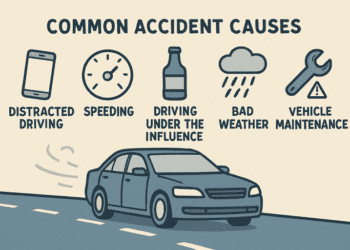
Accidents caused by someone else’s negligence create a mix of confusion and urgency that few people feel prepared to handle. The sudden shift from routine to chaos interrupts everything, especially when life usually moves at a fast pace through downtown Houston. The noise, traffic, and constant motion often amplify the shock that follows an unexpected collision.
Clear direction helps steady the situation, and a calm approach allows you to protect your health, rights, and future decisions. This section lays the groundwork for what comes next so that you can move forward with confidence instead of uncertainty.
Immediate Safety Priorities After the Impact
The first moments after an accident shape everything that follows. Personal safety comes before paperwork or conversation. Take a steady breath and look for any sign of injury. Even small movements should be careful and slow because adrenaline can mask discomfort. If it feels safe, step away from traffic or any other immediate danger.
They usually ask about injuries, hazards, and the number of people involved. Quick answers help them act efficiently. Observing your surroundings also matters. Check the condition of the vehicles without getting too close to oncoming traffic.
Legal Support That Strengthens Your Position
Accidents create questions that pile up fast. Many people feel lost when they try to understand their rights while dealing with stress and uncertainty. Legal support brings clarity and structure to a moment that rarely feels organized. A qualified professional helps preserve key details, communicate with insurance companies, and guide each step so nothing important slips away. Their involvement also reduces pressure because you no longer have to navigate complicated conversations alone.
A smooth process depends on choosing someone who listens, explains everything clearly, and respects your concerns. If you’re looking for a skilled personal injury lawyer Downtown Houston has several options that offer focused representation and a practical approach to strengthening your case. This gives you a partner who understands the legal landscape and stays attentive to every part of your case.
Medical Evaluation That Protects Your Health and Claim
Medical care is essential even when pain seems mild or delayed. The body often reacts slowly to trauma, and symptoms may appear hours or days later. A prompt evaluation helps identify injuries that need immediate treatment and gives you a plan for recovery. Doctors also create records that reflect the timeline and severity of your condition. These become crucial pieces of information if a claim moves forward.
Following medical advice consistently supports healing and establishes a clear pattern of responsible care. Keep track of your visits and symptoms so your providers understand how your condition changes over time. Simple notes can make follow-up appointments more effective and help you stay aware of subtle progress.
Evidence Collection That Supports Your Account
Reliable evidence strengthens your version of events and removes uncertainty later. Photographs of the vehicles, road conditions, and visible injuries offer clarity that memory alone can’t match. Witness names and contact details help fill gaps in the narrative. A summary of what each person saw can also be helpful.
Keeping damaged belongings intact adds another layer of support. Items like cracked glasses, torn clothing, or broken devices show the force and direction of the impact. Store everything in a safe spot so nothing gets misplaced.
Insurance Procedures That Require Careful Attention
Notifying your insurance company is part of the process, though the conversation should stay factual and calm. Share the basic timeline and avoid guessing about injuries or causes. Adjusters sometimes interpret vague statements in ways that complicate the claim. Clear, simple communication avoids confusion.
Keeping notes of every call and message creates a timeline you can reference later. Dates, names, and summaries help you stay consistent across conversations. Many people find that this habit reduces stress because nothing relies on memory alone.
Documentation Habits That Strengthen Your Claim
Strong documentation becomes one of the clearest indicators of how the accident affected your life. Each bill, report, estimate, and receipt form part of a bigger picture. Organizing these materials early helps prevent frustration later, especially when multiple appointments, repairs, and daily responsibilities start to overlap. A simple folder or digital system works well and keeps everything easy to locate when questions arise.
Personal notes also add meaningful context. Details about discomfort, mobility changes, or missed activities illustrate the full impact of the incident. These observations help medical professionals understand your progress and support the accuracy of your claim.
Recovery Planning That Balances Rest and Responsibility
Healing rarely follows a perfectly predictable route. Medical providers offer guidance that reflects your unique injuries, so following their plan helps your body regain strength without rushing the process. Rest plays a significant role, and ignoring pain or pushing too hard often slows progress rather than speeding it up.
Daily routines may need adjustments for a while. Work schedules, household tasks, and social commitments sometimes require flexibility, and listening to your body helps you avoid setbacks. Emotional strain can also appear during recovery. Support from friends, family, or counselors provides reassurance that you’re not navigating everything alone.
Expectations for the Claims Timeline
Accident claims unfold step by step, and each phase depends on several factors. Conversations with insurance companies, ongoing medical treatment, and the evaluation of evidence all influence how long the process takes. Progress often feels slow even when everything is moving normally, so understanding the general rhythm helps you stay grounded.
Negotiations may occur when both sides review the facts and determine appropriate compensation. Updates can come in waves rather than on a predictable schedule. Staying informed through consistent communication prevents misunderstandings and helps you track where things stand.
Accidents disrupt plans instantly, though the steps that follow help restore direction and stability. Safety, medical care, documentation, and legal support give you structure during a challenging moment.
Clear decisions made early protect both your well-being and your claim, creating a path that feels manageable even when the situation seems overwhelming. A steady, thoughtful approach guides you through the aftermath and helps you move forward with greater confidence and clarity.