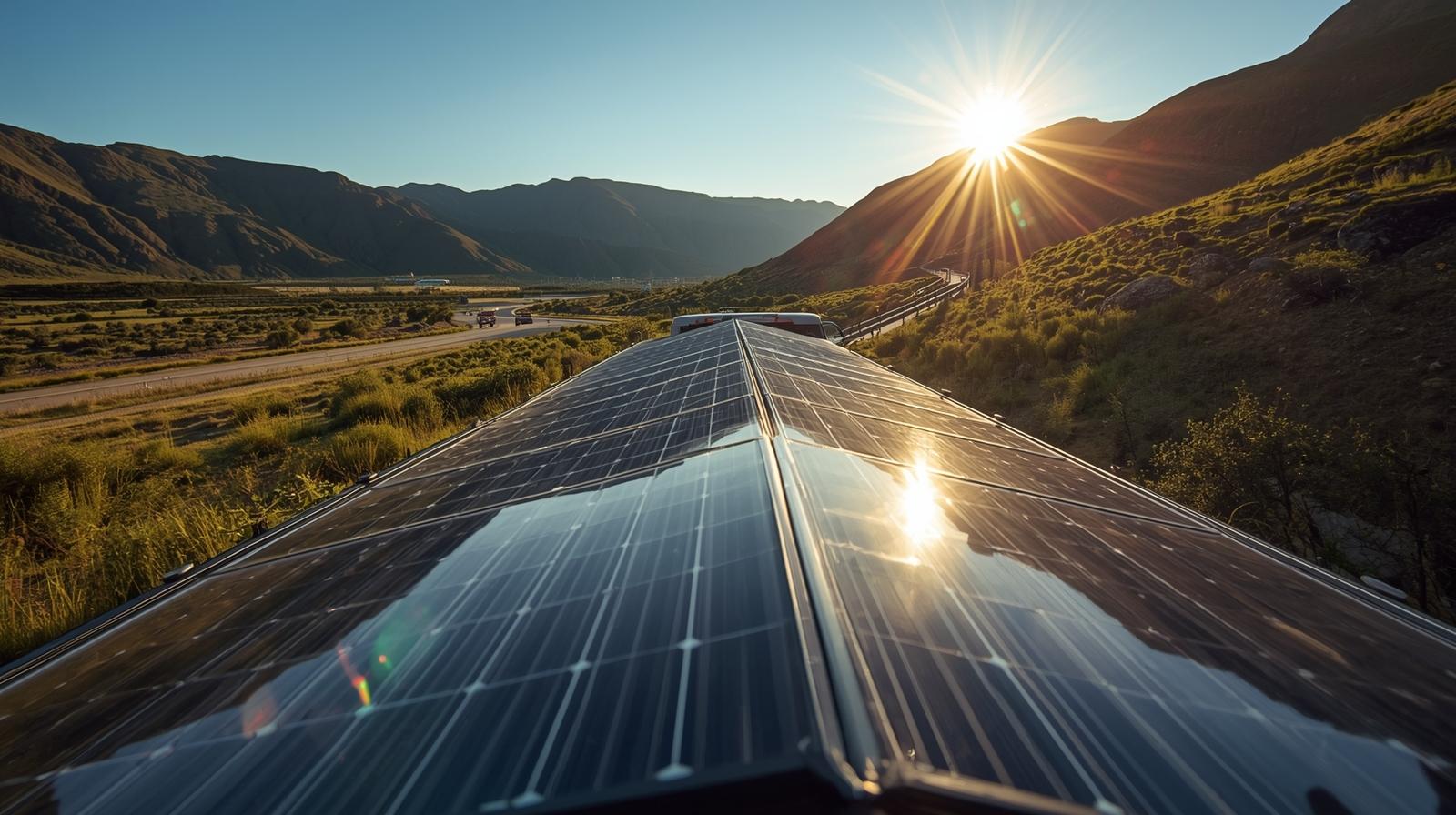
As more people embrace life on the road, either full-time or seasonally, the need for dependable, portable, and sustainable energy has grown. Recreational vehicles (RVs) offer freedom and adventure, but they also bring a unique set of challenges—especially when it comes to power. Whether you’re camping off-grid or just want to minimize reliance on noisy generators, flexible solar panels for RV setups are quickly becoming the go-to solution for modern travelers.
Unlike traditional rigid panels, flexible solar panels are lightweight, bendable, and easier to install on curved or uneven surfaces—making them perfect for the rolling rooftops and aerodynamic designs common in RVs.
The Rise of Solar Energy in RV Living
RV life is all about independence. Whether you’re parked at a scenic campsite, traveling across the country, or boondocking in the wild, being self-sufficient matters. Traditional RV power systems often rely on hookups, fuel-powered generators, or limited onboard batteries. While these solutions work, they come with limitations—fuel costs, noise, emissions, and the need to find charging stations or power sources.
That’s where solar comes in. By harnessing energy directly from the sun, RV owners can power lights, appliances, fans, water pumps, and even entertainment systems without being tethered to the grid. Flexible solar panels for RV setups are especially useful because they can be installed in places rigid panels can’t, and they offer energy without the hassle.
Why Flexible Panels Make Sense for RVs
Not all solar panels are created equal. While rigid panels are often seen on homes or stationary setups, RV travel requires something a bit more adaptable. Flexible solar panels fill that gap by offering:
1. Lightweight Design
Weight matters in an RV, especially for fuel efficiency and safety. Flexible panels are significantly lighter than their rigid counterparts, reducing strain on the roof and making installation easier without special brackets or reinforcements.
2. Curved Surface Compatibility
RV roofs aren’t flat. Many have curves, slopes, or irregular surfaces, making rigid panels a poor fit. Flexible panels can contour to these surfaces, allowing for a flush, aerodynamic installation.
3. Low-Profile and Aesthetic
Since flexible panels sit closer to the roof, they’re less noticeable and less likely to catch the wind while driving. This makes them a more visually subtle and practical option for long-term use.
4. Durability and Weather Resistance
Modern flexible panels are built to withstand outdoor elements—rain, wind, dust, and UV exposure. Many are designed to endure harsh road conditions and vibrations, making them road-trip ready from day one.
Real-World Uses of Flexible Solar Panels for RV Life
The energy demands of an RV vary depending on travel style, but flexible panels can be configured to meet a wide range of needs:
- Charging Batteries: Keep house batteries charged to run lights, fans, or water systems.
- Powering Appliances: Run refrigerators, small cooking devices, or CPAP machines.
- Entertainment: Stay connected with TVs, laptops, and phone charging—especially important for remote workers or digital nomads.
- Emergency Backup: Use solar power as a backup when shore power or generators fail.
- Eco-Friendly Travel: Reduce fuel usage and emissions by relying more on renewable energy.
Whether you’re full-timing or just taking seasonal trips, having a solar backup increases your options and extends your stays in remote areas.
Key Considerations Before Installation
While flexible solar panels for RV use are convenient, a few factors should be considered to get the most out of your setup:
- Wattage Needs: Know how much power your RV uses on an average day. A 100W panel might handle light tasks, while 200W+ systems are better for more demanding setups.
- Battery Storage: Solar panels generate energy, but batteries store it. Make sure your battery bank can handle the incoming power.
- Charge Controller: Prevent battery overcharging and manage power efficiently with the right solar charge controller.
- Panel Placement: Install panels where they’ll get maximum sunlight, and consider portable options that can be moved for better exposure if you tend to park in shaded areas.
Many RVers prefer to combine flexible rooftop panels with portable units that can be deployed on the ground, allowing for even more adaptability.
Sustainable Living on the Road
The appeal of RV life isn’t just the mobility—it’s the chance to live more simply, sustainably, and in tune with nature. For those just getting started, exploring used RVs is a cost-effective way to enter the lifestyle without a large upfront investment, leaving more budget for solar upgrades and gear that truly enhance the experience. Solar energy aligns perfectly with that philosophy. Not only does it reduce reliance on fossil fuels and noisy generators, but it also empowers travelers to stay off-grid longer and with fewer limitations.
Companies like BougeRV are playing a key role in this transformation by providing flexible, user-friendly solar solutions that meet the unique demands of RV owners. Their innovations help ensure that energy freedom is no longer a luxury, but a realistic option for anyone with a rig and a dream.
Final Thoughts
In the evolving world of mobile living, flexible solar panels for RV setups represent the future of independent travel. They’re efficient, lightweight, and easy to integrate into almost any vehicle design. Most importantly, they support a lifestyle rooted in freedom, sustainability, and adventure.
If you’re looking to make your RV setup more self-reliant—or simply want to cut back on noise, fuel, and hookups—investing in flexible solar is one of the smartest upgrades you can make. And with trusted names like BougeRV leading the way, it’s easier than ever to hit the road with confidence, knowing your energy source is as renewable as your next destination. Take advantage of BougeRV’s limited-time savings: use “SEOBF” to get an extra 7% off all solar products, portable refrigerators, and outdoor power gear.