Planning home renovations can be exciting. It can also be overwhelming when you think about costs, unexpected issues, and juggling your budget with daily life. Renovations don’t have to lead to financial stress if you prepare with a clear plan, realistic expectations, and smart strategies for managing money. This guide breaks down the planning process into clear actions so you can renovate with confidence.
Start With Clear Priorities
Before you talk to contractors or set a spending limit, decide what matters most. Ask yourself what you must have versus what you would like to have. For example, fixing structural issues and improving safety should take priority over cosmetic upgrades.
Make a list of renovation goals in order of importance. This list becomes your roadmap during planning. When you know what matters most, you can allocate funds appropriately and prevent impulse decisions that blow up your budget.
Partnering with Experts for Seamless Renovations
One of the best ways to ensure a stress-free renovation is by working with experienced professionals. Skilled contractors and specialists bring invaluable expertise to the table, helping you avoid costly mistakes and ensuring high-quality results. Whether you’re considering roof replacements or updating your kitchen, hiring experts who understand the nuances of the work can save time and money in the long run. They can also offer suggestions on materials, design, and efficient project management. By partnering with reliable professionals, you’re investing in the success of your renovation, and you can rest easy knowing that every step is handled with care and precision.
Establish Your Total Budget
Once you have your priorities, the next step is defining your total budget. Many homeowners make the mistake of only budgeting for labor or materials, but there’s more to consider.
Include these categories in your budget:
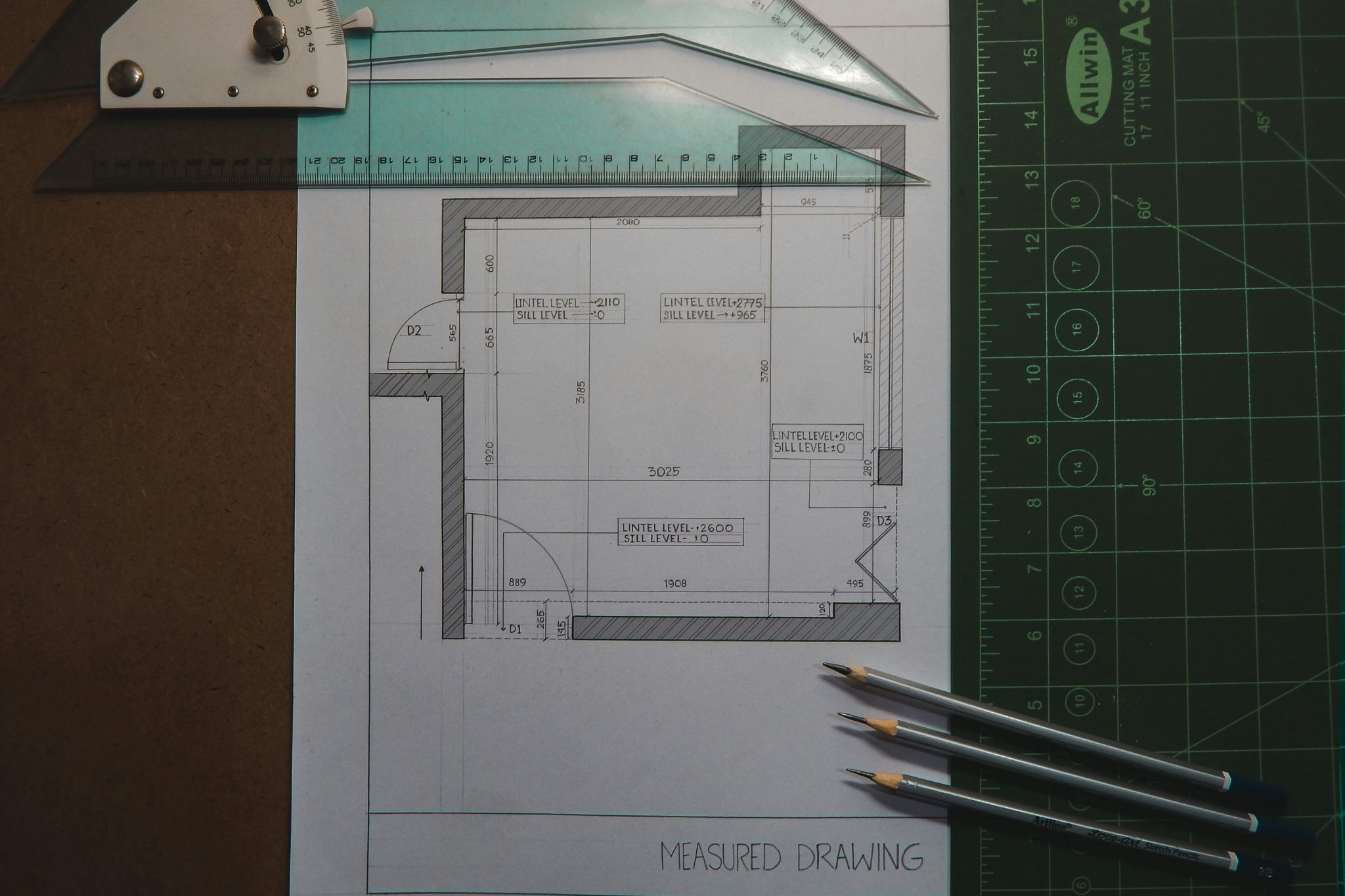
- Design and planning costs – sketches, consultations, and permits
- Materials and labor – the core of your renovation
- Unexpected expenses – set aside at least 10–20% as a contingency
- Temporary living or moving costs – if parts of your home are unusable during work
This thorough approach helps you avoid digging into savings or relying on high‑interest credit if something unexpected comes up.
Explore Financing Options
Not all renovations are easily covered by savings, and that’s okay. There are several ways to finance home improvements that can help you spread out payments while staying within your budget.
Here are common options:
- Home equity loan or line of credit – often lower interest than credit cards
- Personal loan – quick to arrange, but may have higher interest rates
- Contractor financing – some contractors partner with lenders for project payment plans
- Savings earmarked for home repairs – if you’ve reserved funds over time
Get Multiple Quotes
Never assume the first price you’re given is the best price. Getting at least three quotes from reputable contractors helps you understand the market rate and negotiate better.
When you request quotes:
- Provide the same detailed scope of work to each contractor
- Ask for itemized costs, so you see labor, materials, and extras
- Check references and reviews to ensure quality
Plan for Hidden Costs
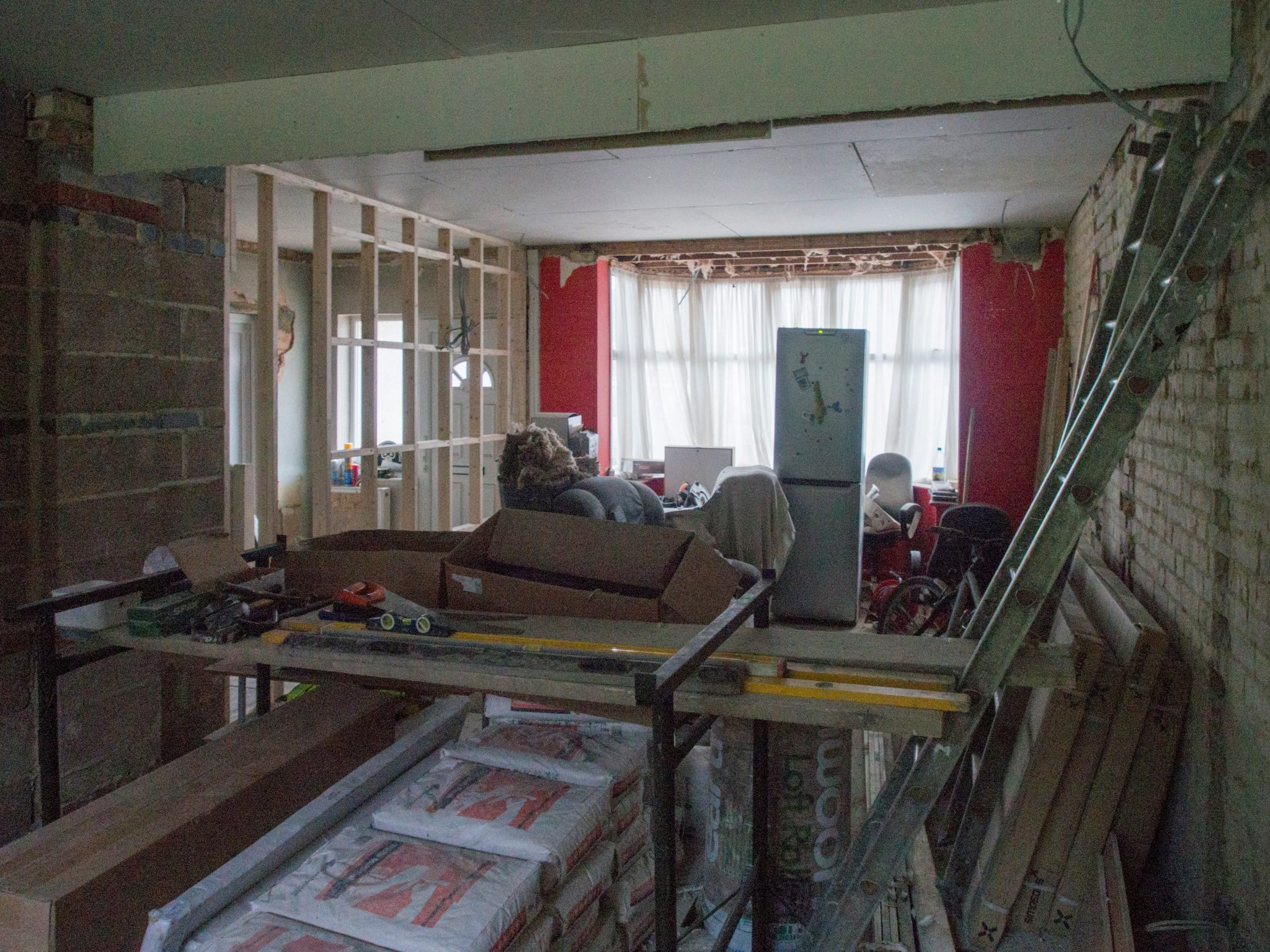
Even the best renovation plans can have surprises. Older homes might reveal structural issues once walls or floors are opened up. The weather can delay work. Material prices can change.
To protect yourself:
- Build a contingency fund of at least 10–20% of the project cost
- Anticipate time delays and plan your schedule around them
- Ask contractors about common surprises in homes like yours
Break Projects Into Phases
If your budget is tight, consider breaking your renovation into phases. This spreads costs and allows you to complete high‑priority work first.
For example:
- Phase 1: Essential structural repairs and safety upgrades
- Phase 2: Kitchen and bathroom improvements
- Phase 3: Cosmetic updates like paint and flooring
Use Smart Money Management Tools
Tracking renovation spending manually on paper can quickly become confusing. Instead, use tools and strategies that help you stay organized and in control.
Try:
- Budgeting apps that categorize expenses
- Spreadsheets for tracking quotes, invoices, and payments
- Project timelines with cost checkpoints
Shop Smart for Materials
Material upgrades can give a big visual impact, but they don’t always have to cost a fortune. Smart shopping reduces stress and keeps your budget intact.
Consider:
- Buying materials during sales or seasonal discounts
- Choosing mid‑range products with good reviews instead of premium brands
- Checking if contractors can source materials at better prices
Small savings on materials can add up and leave more funds for other aspects of your renovation.
Planning home renovations doesn’t have to be stressful. With clear priorities, a realistic budget, smart financing, and strong communication, you can enjoy the process as much as the result. The right planning lets you update your space without sacrificing financial security or peace of mind.
When you approach renovations with a structured plan, unexpected costs feel manageable, and your dream changes become achievable. This proactive mindset is the foundation for renovation success without financial stress.