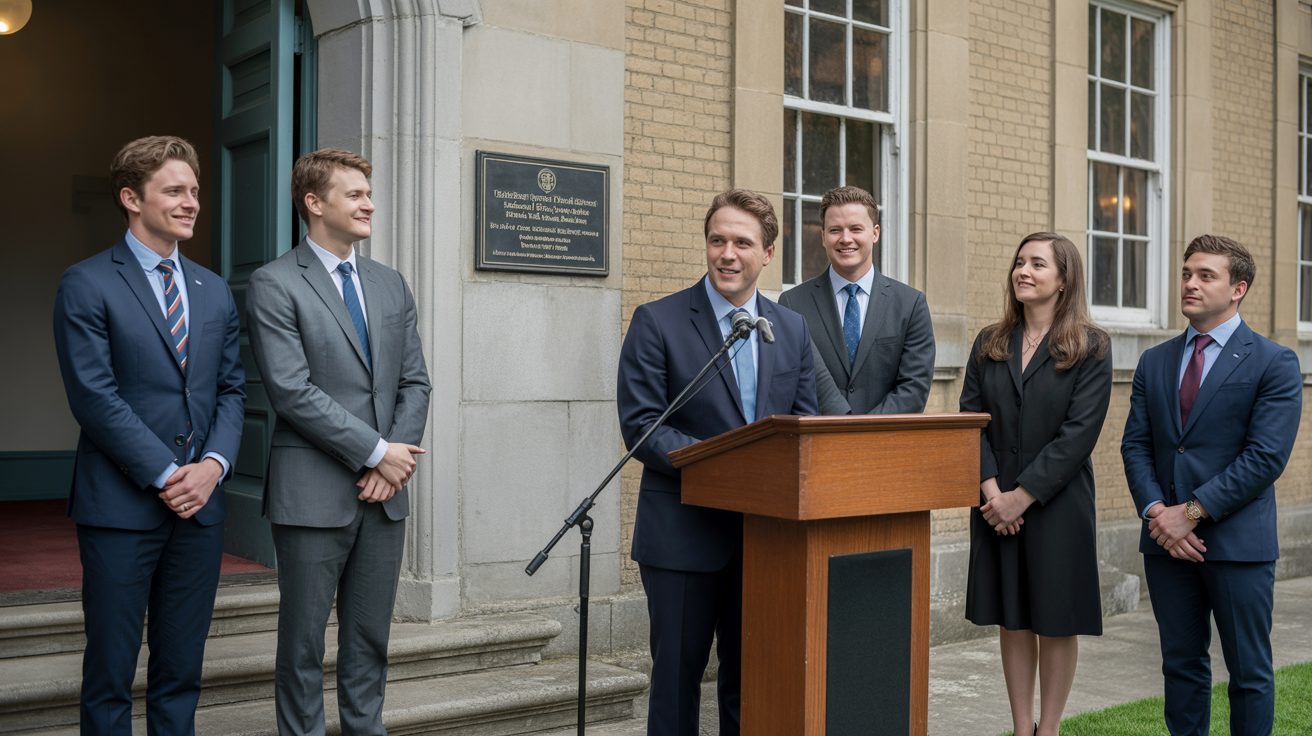
Recognition is not decoration. Donor names went up on schedule, and the second gift came sooner—nine months instead of fourteen. Major supporters stayed with us through a lobby renovation because they saw their commitment acknowledged. Board members could point to the wall during tours and ask for the next step.
How donor recognition ties to philanthropy ROI
Retention and upgrade math is simple: it costs less to keep a donor than to replace one. Recent indicators in the Giving USA report point to strong totals driven by a smaller set of larger gifts, which raises the bar on stewardship. Recognition that feels personal—timely notes, named spaces, accurate honor rolls—nudges a satisfied donor to stay, and gives development officers a reason to check in without another appeal. When recognition is visible at moments that matter—groundbreakings, openings, first-day-of-class—it also supports upgrades by signaling momentum and credibility. At the same time, the Fundraising Effectiveness Project keeps highlighting retention pressure, which is another reason to keep the basics tight and consistent.
What good recognition looks like in practice
Keep the experience simple and predictable. An opening plaque that uses the same type, icon system, and mounting conventions as the rest of your campus looks like institutional care, not a one-off favor. Names should be accurate on day one and easy to update when a donor adds a new pledge or honors a relative. In hallways and lobbies, neutral tones and clean layouts prevent the cluttered look that dates fast and pulls focus from the mission.
Materials matter because they carry a message about durability. For permanent installations in high-traffic zones, many institutions standardize on engraved metal dedication plates alongside glass or stone elements. The point is not luxury for its own sake; it is consistency, legibility, and ease of maintenance when you refresh names or adjust a donor hierarchy.
Recognition, compliance, and the paper trail
Good recognition and good records should reinforce each other. Gift acknowledgments that meet tax rules protect donors and reduce back-and-forth with advisors. Having a clean workflow—from CRM entry to acknowledgment letters to physical naming—prevents errors that undermine trust. It also makes it easier to publish annual honor rolls without emergency edits the week of your gala.
Where the numbers show up
If you cannot measure it, you cannot defend it at budget time. Look for movement in three places after you standardize recognition. First, renewal rates for named donors versus similar donors without public credit. Second, time-to-second-gift after a recognition moment such as a wall installation, small tour, or ribbon cutting. Third, the ratio of upgrade asks accepted within twelve months of a naming event. If those signals improve even modestly, the program is likely paying for itself. You can also track soft indicators: how often board members reference the wall during tours; whether program staff request plaques for new spaces without being prompted; how frequently donors ask about adding a family member or updating a message.
Governance: how to keep recognition from drifting
Name it once and run it the same way everywhere. A short standard—type sizes, contrast, materials, message length, proofing steps—will keep you out of subjective debates. Assign a single owner for the spec, another for the donor list and style guide, and a final sign-off for legal or communications when the space is sensitive. Keep the recognition map in the same place you keep your prospect pipeline so stewardship tasks show up beside solicitations, not somewhere else.
Donor journeys, not one-off plaques
Recognition should mark progress, not just presence. For a family that starts with a scholarship, a steady cadence might look like this: immediate note and public acknowledgment; an invitation to a small, relevant briefing; their name added to a shared wall when the fund crosses a threshold; a short annual update on outcomes; and, when a milestone gift lands, a room or program label that uses the same design language as the earlier touchpoints. That coherence tells a story donors can share with their own circles and advisors. For examples of how narrative and recognition work together, see features on top philanthropists, a celebrity philanthropy roundup, and the profile of a historic $1 billion medical education gift.
Cost, timing, and the long view
Recognition is not the most expensive line item in a campaign, but it can be the most public. Budget for it early so there is no scramble at the end. Plan for routine updates, not just installs, and treat proofreading like you would treat a legal document. It is cheaper to slow down before fabrication than to redo a plate after a dedication.
A short playbook for teams
Start with a single corridor or lobby instead of the whole campus. Lock the spec. Clean up the names. Install with care. Invite a handful of donors to see their names on the wall before you publicize it. Capture photos once, then reuse them in reports and quiet touches. If you see renewal rates improve for that cohort, move the standard to the next building.
Conclusion: recognition as quiet capital
Philanthropy ROI lives in the small decisions you make all year—how precisely you spell a name, how quickly you acknowledge a pledge, how consistent your spaces feel. Recognition that donors can point to with pride supports renewals and upgrades without fanfare. It is a modest line in the budget that protects a large share of revenue. Treat it that way and you will see the return.