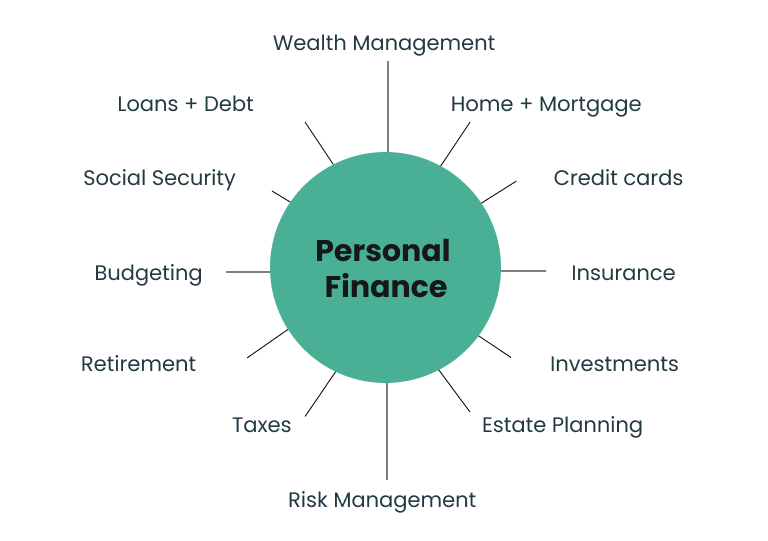
Achieving financial stability does not happen by accident. It requires planning, discipline, and consistent action over time. A well-structured personal finance roadmap for long term security helps you build wealth, reduce risk, and prepare for life’s uncertainties. Whether you are just starting your financial journey or refining your strategy, having a clear roadmap can make all the difference.
This comprehensive guide outlines the essential steps, provides a helpful comparison table, and answers common questions to help you build lasting financial security.
Step 1: Establish Clear Financial Goals
Long-term security begins with clarity.
Types of Financial Goals:
-
Short-term: Emergency fund, paying off credit cards
-
Medium-term: Home purchase, starting a business
-
Long-term: Retirement, financial independence
Write down your goals with specific timelines and target amounts. Clear goals give direction to your savings and investment strategies.
Step 2: Build a Strong Financial Foundation
Before focusing on wealth-building, ensure your financial basics are solid.
Key Foundations:
-
Track income and expenses
-
Create a monthly budget
-
Build an emergency fund (3–6 months of expenses)
-
Eliminate high-interest debt
A stable foundation protects you from financial setbacks and prevents unnecessary stress.
Step 3: Protect Your Income and Assets
Long-term financial security requires protection against risks.
Essential Protection Tools:
-
Health insurance
-
Life insurance
-
Disability insurance
-
Property insurance
Insurance does not grow wealth, but it prevents financial collapse during unexpected events.
Step 4: Eliminate High-Interest Debt
High-interest debt reduces your ability to save and invest.
Smart Debt Strategies:
-
Pay more than the minimum balance
-
Target highest interest rates first
-
Avoid accumulating new debt
Once debt is under control, you can redirect funds toward wealth-building.
Step 5: Develop a Consistent Saving Habit
Saving is a non-negotiable part of financial security.
Savings Guidelines:
-
Aim to save at least 20% of income
-
Automate savings transfers
-
Increase contributions as income grows
Consistent saving creates flexibility and prepares you for opportunities.
Step 6: Invest for Long-Term Growth
Saving alone may not outpace inflation. Investing is essential for growing wealth.
Common Investment Options:
-
Index funds
-
Mutual funds
-
Stocks
-
Bonds
-
Real estate
Diversification reduces risk and increases stability over time. Long-term investing allows compounding to work in your favor.
Step 7: Plan for Retirement Early
Retirement planning should begin as soon as you start earning.
Why Start Early?
-
More time for compound growth
-
Lower required monthly contributions
-
Greater financial flexibility
If early retirement is part of your goal, understanding strategies like How to Plan Early Retirement Realistically can help you calculate your target savings and required investment returns.
Step 8: Account for Inflation
Inflation gradually reduces purchasing power.
To protect against inflation:
-
Invest in growth assets
-
Adjust your savings rate periodically
-
Review financial goals annually
Ignoring inflation can weaken long-term financial plans.
Step 9: Diversify Income Streams
Relying on one income source increases risk.
Additional Income Options:
-
Freelancing
-
Side businesses
-
Dividend investments
-
Rental income
Multiple income streams strengthen financial resilience.
Step 10: Review and Adjust Regularly
Financial planning is not a one-time activity.
Review Your Plan:
-
Annually
-
After major life events
-
When income changes
-
When market conditions shift
Adjusting your roadmap ensures it stays aligned with your evolving goals.
Comparison Table: Financial Roadmap Stages
| Stage | Primary Goal | Risk If Ignored | Long-Term Impact |
|---|---|---|---|
| Budgeting & Tracking | Control spending | Overspending | Financial discipline |
| Emergency Fund | Prepare for emergencies | Debt during crisis | Stability and security |
| Debt Elimination | Improve cash flow | High interest burden | Faster wealth building |
| Insurance Protection | Reduce financial risk | Asset loss | Financial protection |
| Saving Habit | Build financial cushion | No financial flexibility | Opportunity readiness |
| Investing | Grow wealth | Loss of purchasing power | Long-term growth |
| Retirement Planning | Secure future income | Insufficient funds later | Financial independence |
| Income Diversification | Reduce reliance on one source | Income vulnerability | Strong financial resilience |
Common Mistakes to Avoid
-
Living beyond your means
-
Ignoring retirement planning
-
Investing without an emergency fund
-
Failing to diversify
-
Avoiding financial reviews
Avoiding these errors strengthens long-term outcomes.
Frequently Asked Questions (FAQs)
1. What is the first step in building long-term financial security?
Start with budgeting and building an emergency fund before investing heavily.
2. How much should I invest for long-term security?
Aim to invest at least 10–20% of income, adjusting based on goals and retirement timeline.
3. Is insurance really necessary?
Yes. Insurance protects your assets and income from unexpected financial shocks.
4. How often should I review my financial roadmap?
At least once per year or after significant life changes.
5. Can I achieve long-term security with a moderate income?
Yes. Discipline, consistent saving, and smart investing matter more than income size.
6. What role does diversification play?
Diversification spreads risk across multiple investments, increasing stability and reducing volatility.
Final Thoughts
A strong personal finance roadmap for long term security combines budgeting, saving, investing, debt management, risk protection, and continuous review. Financial security is not achieved overnight—it is built gradually through disciplined habits and informed decisions.