Mesothelioma poses complex challenges for veterans and their care teams. The disease can cause severe pain and breathing difficulties. It often brings emotional and spiritual distress, and palliative care steps in to ease these burdens. It works alongside active cancer treatments. Palliative care teams focus on relief, comfort, and quality of life.
Veterans carry unique service-related stresses, and their history shapes how they experience illness. Care that honors their background can feel more respectful and effective. Discussed below are the best practices to guide your team’s approach, with each one of them offering clear actions. Apply them to improve outcomes and support for veterans with mesothelioma.
1. Establish an interdisciplinary team
Form your core group early. Gather oncologists, palliative physicians, nurses, social workers, physical therapists, and chaplains. Add a veteran care coordinator if you can. Meet weekly to set goals and share brief updates on symptoms, treatments, and patient concerns.
In addition, assign clear roles: one clinician leads advance care planning, another manages breathing issues, and another oversees psychosocial support. You should also train your staff on military culture, including loss of function and reintegration stress. Be sure to introduce this Veterans Mesothelioma resource to your palliative care team. It connects families to tailored programs.
Additionally, use shared electronic care plans so everyone sees changes in real time. A unified voice builds trust, and veterans feel supported when every discipline speaks as one.
2. Implement early symptom screening
Check for pain, breathlessness, fatigue, nausea, and anxiety at every visit. Use quick tools like numeric scales or the Edmonton Symptom Assessment System. Spend less than five minutes on this, and be sure to tie screening to vital signs and make it routine. Flag high scores for immediate follow-up. For example, a pain score above four triggers a rapid consultation with the pain team.
Document results in trend charts. Early detection stops crises before they start. It also cuts emergency visits and hospital stays. Empower nurses with standing orders to adjust medications within safe limits. Encourage veterans to report new or worsening symptoms via phone or a secure portal. Quick tweaks keep them comfortable. Consistent screening signals respect for their comfort and builds confidence in the care team.
3. Personalize pain management
Mesothelioma pain isn’t one-size-fits-all. First, figure out the kind of pain: sharp, dull, burning, or aching. Try non-opioids like acetaminophen or NSAIDs first. If that’s not enough, carefully add opioids. Rotate meds to knock down tolerance and layer in drugs like gabapentin for nerve pain. For stubborn spots, offer nerve blocks or injections. Always talk about side effects to the patients. They include constipation, sleepiness, and nausea.
In addition, ask the patients to keep a pain diary. They should note intensity, what helped, and what didn’t. Review it together, then tweak doses in small steps. Pull pharmacists into the conversation to catch drug interactions. Teach safe storage and disposal of opioids and loop in caregivers to prevent mishaps. A custom plan isn’t just safer, it gives veterans control.
4. Address respiratory symptoms proactively
Dyspnea can feel terrifying. Start with non-drug strategies. Elevate the head of the bed by 30 degrees and teach pursed-lip and diaphragmatic breathing. Use handheld fans to cool the face; this simple step reduces panic. If needed, add low-dose opioids to ease breathlessness, and be sure to titrate slowly to patient comfort. Also, bronchodilators or inhaled steroids should be offered if airway obstruction contributes.
Test oxygen systems, including concentrators, portable tanks, or wall setups, to meet activity needs and train patients and caregivers on safe oxygen use. You should also monitor for CO₂ retention via periodic checks. For best results, partner with respiratory therapists for regular assessments and equipment maintenance.
Additionally, log every intervention and its effect in a shared care plan. Reviewing these logs refines strategy. Proactive management preserves independence and reassures veterans that their team anticipates and addresses their needs before symptoms escalate.
5. Integrate nutritional support
Mesothelioma and treatments reduce appetite and cause weight loss, and early referral to a dietitian helps maintain strength. Conduct simple nutritional screens at diagnosis and monthly. Look for a 5% weight drop in one month or 10% over six months, and refer to a dietitian immediately if thresholds are met. In addition, recommend small, frequent meals rich in protein and calories, and suggest shakes when solids drop.
Manage side effects first: treat nausea, mouth sores, or constipation. Provide supplements to correct vitamin deficits. Collaborate with speech therapists if swallowing is hard, and plan tube feeding only if it fits the veteran’s goals.
In addition, review progress weekly and use weight and intake logs to guide tweaks. Strong nutrition boosts immunity, eases fatigue, and supports healing. It also signals that teams value overall health, not just disease control.
6. Support psychological well-being
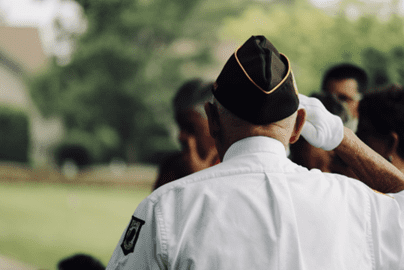
 Image by RDNE Stock project on Pexels
A cancer diagnosis hits hard. Screen for depression, anxiety, and PTSD with quick tools like PHQ-9 and GAD-7, and refer positive screens immediately to mental health professionals. You can offer counseling via telehealth or in person, whichever the veteran prefers. Host veteran-only support groups to ease isolation. Teach simple relaxation techniques: guided imagery, progressive muscle relaxation, or brief mindfulness exercises.
For severe symptoms, start antidepressants or anxiolytics at low doses and monitor closely. Chaplains and spiritual care providers can offer additional support if faith is important. Provide clear, honest information about prognosis and care plans. Regular check-ins, weekly or bi-weekly, catch crises early. Address moral distress around loss of roles or purpose. Veterans value directness: state what’s known, acknowledge uncertainties, and outline next steps. This clarity lowers fear and builds trust.
7. Discuss future care planning
Discuss goals soon after diagnosis. Ask what matters most. Is it independence, fewer hospital stays, or family time? Document values and preferences in an advance directive and encourage a healthcare proxy’s appointment. You should also review documents annually or after major changes. In addition, give veterans written summaries of decisions, and be sure to store them in accessible parts of the record.
Train all team members to check before urgent interventions. Respect informal notes about end-of-life wishes. Some veterans prefer comfort measures only. Honor those wishes unless they conflict with current goals. Open dialogue about death reduces anxiety and aligns treatments with personal values.
8. Provide caregiver education and support
Caregivers shoulder heavy burdens. Offer them clear, concise training on symptom checks, medication schedules, and safety measures. Use short checklists and demo videos, and keep each under three minutes. Schedule monthly caregiver check-ins to address stress and burnout, and ask about their health and well-being.
In addition, offer respite care options like home aides or short-term stays in care facilities. Link them to veteran caregiver support groups for peer advice. You should also recognize cultural norms in military families around duty and resilience.
Offer flexible training times to suit work or other commitments, and reassure caregivers that they are critical team members. Prepared, supported caregivers improve patient comfort and outcomes.
9. Blend in integrative therapies
Complementary therapies can lift spirits and ease pain. Arrange massage sessions to ease muscle tension, offer acupuncture for nausea or nerve pain, and suggest beginner-level yoga or tai chi adapted for limited mobility. Vet every therapist to make sure they are trained in oncology care.
Screen for any red flags, and avoid deep pressure near tumors or ports. Note feedback in patient charts and adjust frequency based on results. Be honest about what these therapies can and can’t do. In addition, warn against unproven “miracle” treatments. Integrative approaches help veterans feel proactive about their health.
10. Leverage veteran-specific resources
VA hospitals and veteran organizations have palliative programs built just for them. Refer vets early to these services. Help them sign up for home health aides, equipment loans, or travel reimbursements. Be sure to also share cancer hotlines run by fellow veterans.
Partner with groups like the American Legion or VFW to connect vets socially. Slide a one-page resource list into every welcome packet and update it quarterly. When veterans see their earned benefits in action, trust deepens. They feel valued not only as patients but as servicemembers.
11. Monitor and manage treatment side effects
Mesothelioma treatments carry risks such as fatigue, neuropathy, gastrointestinal upset, skin reactions, and more. Anticipate common side effects for each modality, including surgery, chemotherapy, and radiation, and discuss them in pre-treatment sessions. Provide veterans with one-page care guides detailing self-care steps and warning signs. Give them a direct line for urgent issues, and use phone triage protocols so nurses can assess severity and advise next steps.
In addition, adjust treatment regimens proactively; reduce chemo dose intensity if neuropathy worsens or shift to less toxic agents. Document side-effect patterns in shared electronic records and regularly review these logs in interdisciplinary meetings. Clear side-effect management prevents avoidable hospital admissions. It also keeps veterans on therapy longer, improving both comfort and survival.
12. Offer bereavement and grief support
Your care doesn’t stop at the final page of the chart. Invite families and close friends to grief counseling. Offer a farewell service with military honors; you can partner with local veteran groups to make it meaningful. In addition, provide both printed booklets and online resources on coping with loss, and check in by phone at one, three, and six months to see how they are doing.
Screen for complicated grief, like long-term withdrawal or despair. If needed, refer to a grief specialist. Encourage participation in widower or widow peer groups run by veterans. Be sure to also share details on survivor benefits, including pensions, education grants, and counseling. Thoughtful bereavement care honors the veteran’s service and helps loved ones find their footing again.
13. Encourage community reintegration
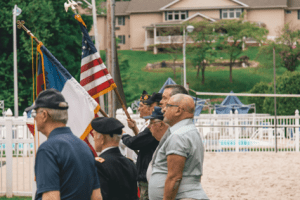 Image by Craig Adderley on Pexels
Social isolation can worsen symptoms. Help veterans reconnect with former units or local centers. Arrange group visits to veteran halls, museums, or parks, and support volunteer roles where they can mentor newer patients. You should also launch peer navigation programs pairing recently diagnosed veterans with survivors.
Organize low-impact group activities such as short walks, art workshops, or music sessions. These foster camaraderie and ease anxiety and depression. Coordinate with recreation therapists to adapt outings for mobility limitations, and be sure to collect feedback after each event to refine future plans. As veterans rejoin community life, they regain purpose, hope, and social support that bolsters both mental and physical health.
14. Coordinate with legal and financial advisors
Mesothelioma often brings financial strain and legal complexities. Refer veterans early to asbestos-claim legal experts who specialize in VA cases. Connect them with accredited VA benefits counselors to apply for disability compensation, pensions, and healthcare benefits. Offer financial planning sessions to manage medical bills, insurance claims, and household expenses.
Additionally, provide concise one-page guides on estate planning, power of attorney, and guardianship. Invite legal and financial advisors to interdisciplinary meetings when complex issues arise. Clear communication prevents paperwork bottlenecks and unnecessary stress. When financial worries ease, veterans and families can focus on comfort, quality time, and healing.
Endnote
Palliative care for veterans with mesothelioma demands respect for service, clear communication, and tailored interventions. These practices cover symptom screening, pain and respiratory management, nutrition, mental health, and more. They also tap into veteran-specific benefits, legal support, and community reintegration. By weaving these practices into care plans, teams can ease suffering and enhance quality of life. Each step shows veterans that their service and needs matter.