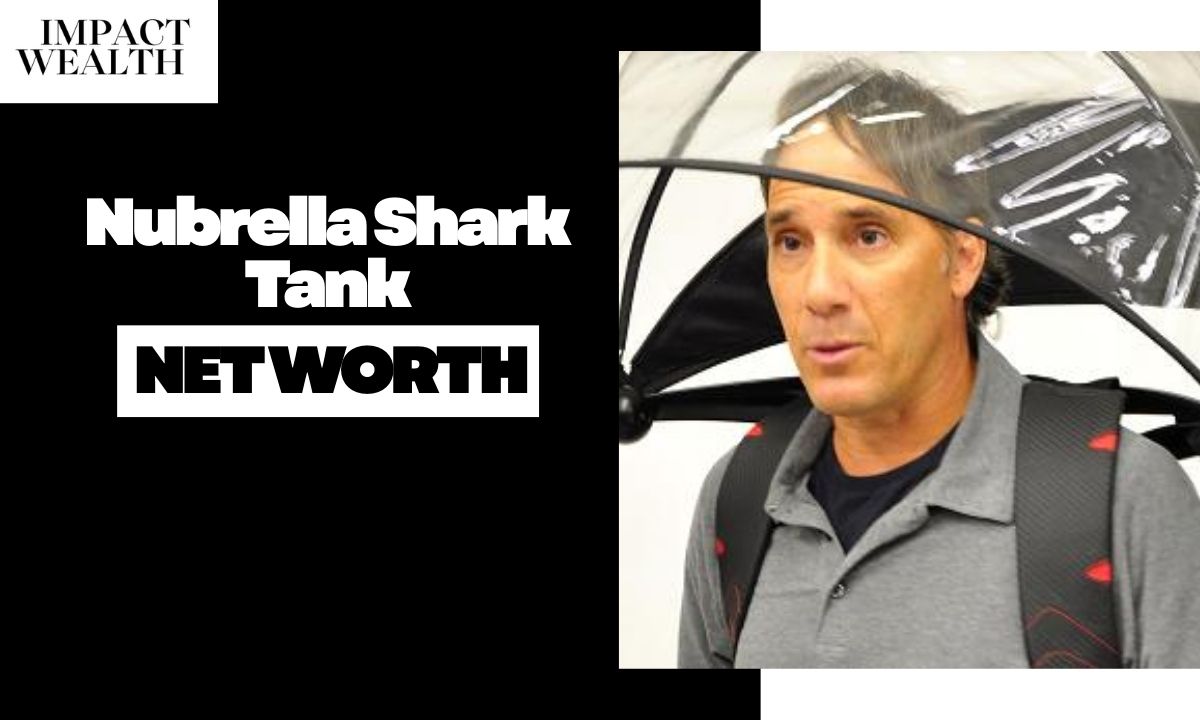
Rain soaked streets are filled with struggling umbrella users every single day. Alan Kaufman watched this problem repeat endlessly in his stores. He invented a hands-free umbrella that changed everything completely forever. The Nubrella Shark Tank Net Worth story contains unexpected financial surprises.
Fifteen years after the famous television pitch happened on national broadcast. The company stopped making products but maintains surprising financial value today. Patent rights and intellectual property created lasting worth without active sales. This innovative rain gear solution inspired inventors worldwide to think differently.
Success doesn’t always mean massive sales numbers or widespread household recognition. Sometimes innovation maintains value through legal protections and brand recognition alone. The Nubrella Shark Tank Net Worth in 2026 reveals how patents outlive production. Let’s explore the complete financial journey and unexpected business reality.
Nubrella Shark Tank Net Worth in 2026
The Nubrella Shark Tank Net Worth stands between one and two million dollars. This valuation exists despite zero active manufacturing or retail sales currently happening. Patent portfolios and intellectual property rights drive this estimated financial standing entirely. The company ceased operations in 2022 after the founder’s unexpected passing.
Most entrepreneurs expect Shark Tank success stories involve explosive growth and profits. They imagine warehouses filled with products shipping worldwide every single day, constantly. The hands-free umbrella business tells a completely different financial tale instead. Brand recognition from television exposure maintains value years after production stopped completely.
| Financial Component | 2026 Estimated Value | Primary Source |
| Patent Portfolio Value | $500,000 – $800,000 | Intellectual property rights |
| Brand Recognition Assets | $300,000 – $500,000 | Media exposure history |
| Remaining Inventory | $200,000 – $400,000 | Third-party resale market |
| Total Net Worth | $1,000,000 – $2,000,000 | Combined asset valuation |
Here’s where the story becomes truly fascinating for aspiring inventors everywhere. Dormant brand assets prove innovation outlasts physical sales and active operations. Legal protections keep the Nubrella brand valuable in today’s competitive marketplace. Future licensing deals could increase valuation significantly over the coming years.
What Is Nubrella and Who Founded It?
Traditional umbrellas haven’t changed design in over three thousand years remarkably. They flip inside out during strong winds and storms very predictably. Users can’t carry groceries or push strollers easily while holding them. Alan Kaufman broke completely away from this ancient design with innovation.
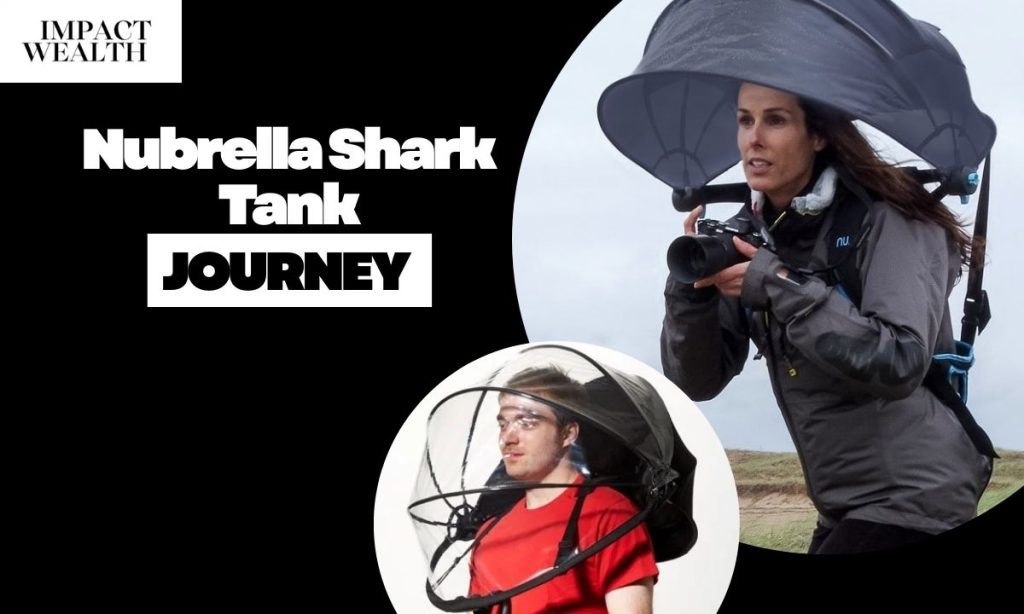
The bubble umbrella design looks like a transparent protective dome structure. It sits comfortably on your shoulders using a lightweight adjustable harness. Both hands stay completely free during terrible weather conditions and storms. The transparent canopy protects the head and shoulders from rain today.
Kaufman owned several wireless retail stores in busy Manhattan shopping districts. Drenched customers entered his shops every single rainy day with problems. They struggled with broken umbrellas, wet phones, and heavy shopping bags. This daily observation sparked his creative thinking process naturally and permanently.
Don’t Miss: Brianna Lyman
Nubrella Shark Tank Journey
Alan Kaufman walked onto Shark Tank Season One Episode Fourteen nervously. He asked for two hundred thousand dollars for twenty-five per cent equity. The pitch called it the world’s first truly hands-free umbrella. Sharks immediately wanted to try this unusual wearable rain protection device.
The Original Pitch and Investor Reactions
Daymond John and Robert Herjavec tried the umbrella on camera immediately. They bumped into each other playfully during the demonstration, creating entertainment. But beneath the laughter, serious business questions emerged from all investors. Kaufman revealed he’d already sold three thousand units through word-of-mouth.
Manufacturing costs totalled fourteen dollars per unit with retail pricing at thirty. The unit economics looked promising suggesting healthy profit potential for investors. Barbara Corcoran questioned the weight, learning it was two and half pounds. Kevin Harrington pressed hard on sales figures and distribution channel plans.
- The product demonstrated genuine hands-free operation during the pitch presentation successfully.
- Sharks found the design visually unusual but functionally impressive overall.
- Initial sales numbers showed real consumer interest and market validation
- Profit margins appeared healthy suggesting strong business potential ahead
- Distribution challenges became apparent during the investor questioning and discussion
Did Nubrella Shark Tank Secure a Deal?
Daymond John and Kevin Harrington partnered to offer two hundred thousand dollars. They demanded fifty-one per cent equity giving them majority control of the company. Kaufman initially resisted giving up control, countering with fifty per cent ownership. He ultimately accepted when Daymond promised continued financial support for growth.
The on-air deal seemed perfect with two experienced retail sharks backing it. What could go wrong with such powerful business partners aboard? Everything collapsed as it turned out after the cameras stopped filming completely. The sharks walked away without even conducting proper due diligence reviews.
- Kevin Harrington realized price point didn’t fit his infomercial business model.
- Daymond John couldn’t secure the retail distribution channels he had promised.
- Post-show negotiations revealed fundamental misalignments between all parties involved.
- Kaufman didn’t take the rejection quietly and pursued legal action later
- The failed deal became one of the early Shark Tank controversies
The Nubrella Shark Tank Effect on Business
Despite the collapsed investment agreement, television exposure proved incredibly valuable immediately. Orders flooded in so rapidly that the company website crashed completely. Media outlets, including Good Morning America and Ellen, featured this invention. International distributors from Europe and Asia contacted Kaufman seeking partnership opportunities.
Explosive growth followed the broadcast showing strong consumer interest in innovation. Thousands of units sold within just months, demonstrating market demand. The Nubrella Shark Tank Net Worth benefited tremendously from free publicity.
However, initial success created its own unique operational challenges and problems.
- Website traffic overwhelmed servers causing temporary shutdown and lost sales.
- Manufacturing couldn’t keep pace with the sudden demand spike from exposure.
- Quality control issues emerged during rapid production scaling attempts
- Public fascination with novelty began fading faster than expected, unfortunately
The Idea Behind Nubrella
Working in retail gave Kaufman unique insights into everyday customer problems. He watched people fight with umbrellas during storms repeatedly every day. A better solution seemed obvious but nobody had created it. The need for hands-free weather protection became crystal clear immediately.
Traditional umbrellas force users to sacrifice one hand for rain protection. They invert in strong winds, leaving users soaked and frustrated constantly. Limited coverage leaves shoulders and belongings exposed to rain and storms. Mobility restrictions make cycling or carrying groceries nearly impossible with them.
His goal combined comfort, function, and unconventional innovation thinking boldly together. Building a wearable shelter concept allowed users to move freely naturally. The concept challenged traditional umbrella design spanning three millennia of history. Innovation requires questioning why things always work a certain way.
How Nubrella Works?

The transparent dome design rests comfortably on the shoulders, feeling balanced always. When the rain stops, it folds back smoothly like a hood. During active movement, the structure locks securely in place. A wind-resistant polycarbonate shell absorbs strong gusts without flipping inside out.
Full transparency provides clear visibility even during heavy rainstorms and downpours. You can see everything around you without obstruction or blind spots. The structure eliminates inversion problems common with regular traditional umbrellas. Patented technology protects these unique features and specialised manufacturing methods permanently.
Step-by-Step Operation Process
- Step 1: Place the harness over your shoulders adjusting the straps for comfortable, secure fit
- Step 2: Fasten the waist belt using the hook-and-loop closure system firmly
- Step 3: Pull the canopy forward over your head, activating the spring-loaded deployment mechanism
- Step 4: Lock the canopy in place, ensuring stable protection from weather elements
- Step 5: Move freely with both hands available for any activity needed
- Step 6: Push the canopy backward when the rain stops, collapsing it like hood
- Step 7: Remove the harness and store it compactly until the next use is required
From Shark Tank to the World Stage
National television exposure from Shark Tank brought tremendous benefits despite the deal failure. Thousands of units were sold within just a few months afterwards. International distributors from multiple continents requested partnership opportunities immediately. Media coverage from CNN and Ellen drove massive sales surge.
The collapsed post-show deal didn’t stop the brand’s momentum at all. Kaufman proved that television exposure alone could launch a product successfully nationwide. Sales reached into eighty-six different countries worldwide, demonstrating global appeal. The hands-free umbrella concept resonated with diverse international audiences everywhere.
Public reaction is split between genius innovation and strange appearance consistently though. Critics mocked the bubble design while users praised its functionality highly. Kaufman accepted criticism and improved the design based on feedback received. Memorable product status brought ongoing media attention for several years.
Don’t Miss: Kristy Greenberg
Nubrella’s Evolution Over Time
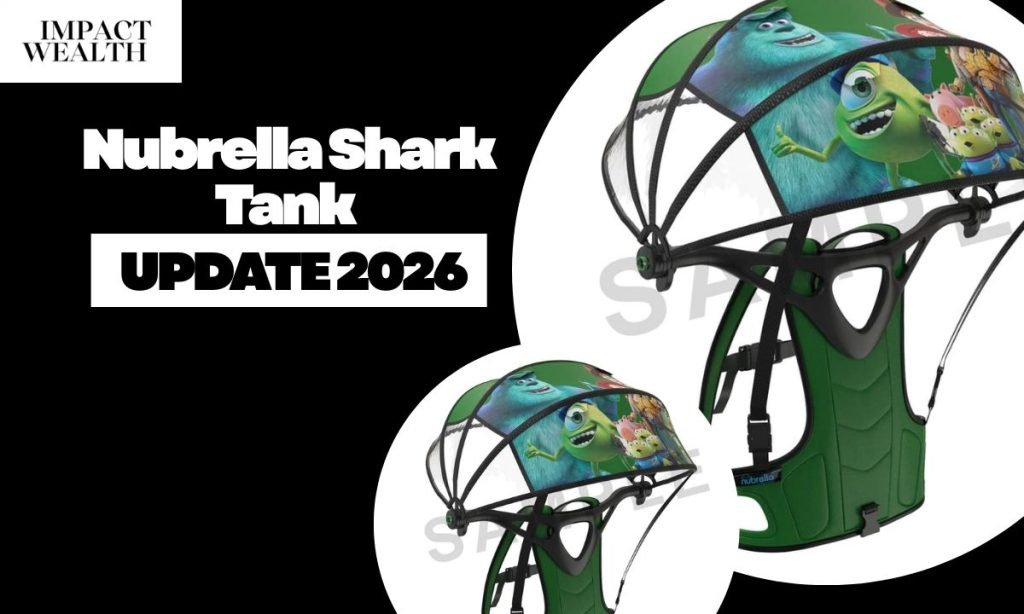
Kaufman refined the wearable umbrella concept several times after television appearance. Later versions became lighter, sleeker, and more user-friendly for consumers. Marketing expanded beyond rain to include sun protection benefits. He even considered a complete rebranding as Canope, eventually in 2020.
Retail momentum slowed down after a few years of initial sales. High production and distribution costs remained stubbornly problematic throughout the manufacturing years. Consumer adoption proved challenging despite the obvious functional benefits clearly demonstrated repeatedly. The company kept patent value active and protected legally throughout.
| Year | Major Development | Impact on Business |
| 2010 | Original Shark Tank pitch aired nationally | Massive media coverage and initial sales surge |
| 2011-2015 | Product evolution and design improvements | Enhanced user experience and reduced complaints |
| 2016 | Lawsuit against Sony Pictures settled | $20,000 settlement received from producers |
| 2020 | Rebranding to Canope with new marketing | Continued online sales with fresh positioning |
| 2022 | Alan Kaufman passed away unexpectedly | Business ceased all operations permanently |
Nubrella’s Market Impact
Nubrella never became a household name like major umbrella brands. But it influenced wearable outdoor technology and gear development significantly. The design inspired similar ideas across multiple industries worldwide. Sportswear, portable shade, and protective equipment borrowed concepts from this innovation.
Independent inventors rarely challenged the traditional umbrella design, unchanged for millennia before. Kaufman proved that innovation can come from unexpected sources successfully. His courage to think differently created a lasting industry influence permanently. The brand symbolizes creative entrepreneurship story at its finest level.
Success isn’t only measured in sales numbers or quarterly profits alone. Legacy beyond revenue numbers matters just as much long-term historically. The story inspires inventors to challenge conventional wisdom boldly today. Sometimes cultural impact of innovation matters more than financial reports.
Alan Kaufman Personal Life
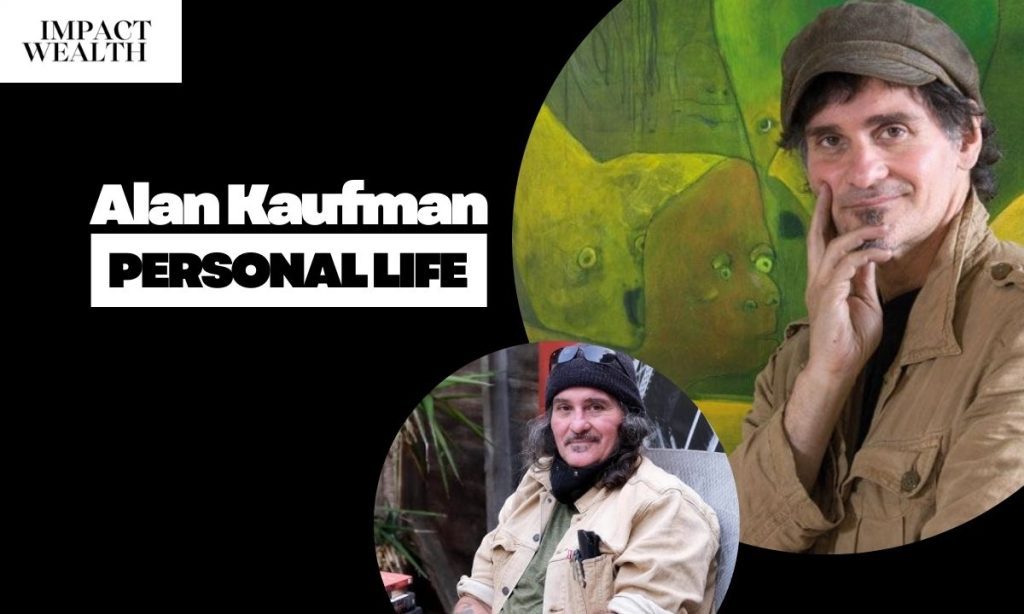
Alan Kaufman entrepreneur preferred keeping his personal life very private always. His product gained worldwide fame but he stayed quiet personally. Media attention focused on Nubrella rather than personal details exclusively. He managed retail stores before becoming an inventor full-time.
Unlike modern founders, he didn’t market his brand personality publicly. The focus remained on product design rather than celebrity status. This inventor-led innovation journey is centred on solving problems, not seeking fame. Entrepreneurial risk and investment defined his entire business philosophy completely.
Tragically, Alan Kaufman passed away in November 2022 unexpectedly and suddenly. The business shut down without succession plans in place, unfortunately. No heirs or associates continued operations after his passing away. The intellectual property remains dormant but is legally protected today.
Alan Kaufman Biography
| Personal Detail | Information |
| Full Name | Alan Kaufman |
| Birth Year | Early 1960s (estimated) |
| Previous Career | Professional tennis player, retail store owner |
| Company Founded | Harvard Cellular Communications, Nubrella |
| Stores Owned | Multiple Cingular Wireless locations in Manhattan |
| Personal Investment | $900,000 in Nubrella development |
| Shark Tank Appearance | Season 1, Episode 14 (2010) |
| Marital Status | Not publicly disclosed |
| Children | No verified public information |
| Residences | New York and Florida |
| Death Date | November 2022 |
| Age at Death | Early 60s |
Alan Kaufman Early Life and Nubrella Highlights
Every invention starts with a simple observation in daily life. Alan Kaufman’s breakthrough came from watching retail customers suffer repeatedly. His journey explains how the Nubrella Shark Tank Net Worth came together. Retail management taught him to spot problems and solutions naturally.
Kaufman invested over nine hundred thousand dollars personally in the project. This massive entrepreneurial risk showed his strong belief in the vision. He risked everything to bring his innovation to life successfully. Few inventors commit so much of their own personal money.
From Retail to Rain Gear
Cingular Wireless stores gave Kaufman daily customer experience insights and observations. He noticed people entering, completely soaked from the rain outside regularly. They juggled phones, bags, and broken umbrellas constantly every day. This repetitive problem triggered innovative thinking naturally and permanently for him.
The thought emerged that a better solution must exist somewhere. No one had challenged the traditional umbrella design seriously in centuries. Kaufman decided to create what the market desperately needed immediately. His retail background informed practical design decisions throughout the development process completely.
- Daily customer interactions provided valuable insights into real weather protection needs.
- Retail experience taught the importance of practical functionality over aesthetic appearance.
- Understanding consumer behaviour drove every single design choice made throughout.
- Personal investment demonstratedan extraordinary commitment to solving the problem identified
Version 1 Launch and Media Storm
Prototypes entered distribution in the United States and abroad simultaneously in 2010. Sales quickly reached thirteen thousand units in multiple countries worldwide. Real interest came from cyclists, delivery workers, and busy professionals. The target market appreciated practical benefits over fashion concerns entirely.
Public reaction is split between genius innovation and strange appearance consistently. Critics mocked the bubble design while users praised its functionality highly. Kaufman accepted criticism and improved the design based on feedback received. Memorable product status brought massive media attention everywhere, nationally and internationally.
- Good Morning America featured Nubrella prominently on a morning television broadcast.
- Ellen DeGeneres discussed it on her popular talk show segment
- National newspapers and magazines wrote detailed feature articles extensively
- CNN coverage drove additional sales and established brand recognition nationwide
- Exposure created opportunities for international expansion rapidly across continents
Challenges and Slowdown
Initial excitement eventually gave way to harsh business reality, unfortunately. Production costs remained stubbornly high throughout the entire manufacturing process. Supply chain management proved more difficult than originally anticipated. Consumer hesitation toward new designs persisted despite obvious functional benefits.
Convincing everyday users to wear a shoulder-mounted system proved difficult constantly. The concept worked technically but marketing faced uphill battles daily. Retail partnerships faded as limited operational growth became apparent gradually. By mid-2010s, direct sales had decreased significantly from peak levels.
- High manufacturing costs limited pricing flexibility and profit margin improvement.
- The social embarrassment factor prevented mainstream consumer adoption rates from growing.
- Communication interference and vision impairment complaints emerged from some users.
- Market resistance proved stronger than anticipated initially by the founder.
- Limited capital prevented sustained advertising campaigns needed for long-term success.
Don’t Miss: Benny Blanco
Future Plans and Goals
Nubrella licensing potential offers opportunities with established outdoor gear brands today. Larger companies could adapt the technology under licensing agreements profitably. Brand relaunch remains possible with fresh marketing and positioning strategies. Associates or heirs might revive Nubrella under different names eventually.
New product extensions could use hands-free design concepts creatively now. Jackets, canopies, or hybrid designs might reach new markets successfully. Collaboration with existing umbrella companies seems logical strategically going forward. Co-branding deals could introduce technology to wider audiences than before.
- License patented umbrella technology to major outdoor manufacturers for revenue
- Partner with wearable tech companies for modern redesigns and improvements
- Develop new product lines using hands-free weather protection concepts
- Create co-branded versions with established umbrella companies for distribution
- Explore drone-umbrella hybrid designs for unique applications and markets
- Target corporate sales to delivery services and outdoor workers
- Focus on B2B opportunities with theme parks and entertainment venues
- Expand into the sun protection market beyond rain gear exclusively
- Develop lighter materials to reduce weight and improve comfort
- Create fashion-forward designs to overcome aesthetic objections from consumers
- Build strategic partnerships with sports equipment manufacturers for specialised versions
- Pursue international markets where weather protection needs differ significantly
Nubrella Shark Tank Update
The failed investment deal collapsed despite an initial on-air agreement. Kevin Harrington found the price point wrong for the infomercial sales model. Daymond John tried securing distribution, but efforts ultimately failed, unfortunately. Both sharks exited leaving Kaufman to continue alone after filming.
Kaufman filed a lawsuit against Sony Pictures in 2016 seeking compensation. He sought payment for lost opportunities and revenue sharing deals. The case settled for twenty thousand dollars after negotiations concluded. A second federal lawsuit was dismissed without financial settlement.
- Deal with sharks fell through completely after the due diligence period
- 2016 lawsuit against Sony Pictures was settled for $20,000 payment
- Nubrella rebranded to Canope in 2020 with website sales continuing
- Reached $1 million annual revenue in 2021 before shutdown
- Alan Kaufman died in November 2022 and the business closed permanently
- No succession plans existed to continue operations after death
Last Words
Nubrella Shark Tank Net Worth stands between one and two million. Alan Kaufman’s invention reshaped thinking about wearable umbrella design permanently. Mass market success eluded him but his legacy remains strong. The brand symbolises creativity, persistence, and entrepreneurial courage today.
Challenges never stopped Kaufman from pursuing his vision completely throughout the years. Shark Tank fame brought attention even though deals collapsed afterwards. Patent value and brand recognition maintain worth years later today. Future licensing deals could increase valuation significantly over time going forward.
Frequently Asked Questions
What is the current Nubrella Shark Tank Net Worth?
The Nubrella Shark Tank Net Worth in 2026 is estimated between $1 million and $2 million, primarily from intellectual property and patent value rather than active sales.
Did Nubrella actually get a deal on Shark Tank?
No, the on-air deal with Daymond John and Kevin Harrington fell through after filming. Both sharks walked away during the due diligence phase.
How much did Alan Kaufman invest in Nubrella?
Alan Kaufman personally invested approximately $900,000 of his own money into developing and launching the Nubrella hands-free umbrella product.
Is Nubrella still selling products in 2026?
No, Nubrella ceased all operations in November 2022 after founder Alan Kaufman’s death. No new products are being manufactured or sold currently.
What made Nubrella different from regular umbrellas?
Nubrella offered hands-free operation with a shoulder-mounted design, wind resistance up to 40 mph, 360-degree protection, and transparent visibility during use.
Where can I buy a Nubrella umbrella today?
You might find remaining inventory on secondary markets like eBay or Amazon through third-party sellers, but no official new production exists.
Why did the Shark Tank deal fall through?
Kevin Harrington found the price point didn’t fit his infomercial model, and Daymond John couldn’t secure the retail distribution he promised.
How many Nubrella units were sold total?
Approximately 13,000 units were sold across 86 countries worldwide during the product’s active sales period from 2010 to 2022.
What happened to Nubrella after Alan Kaufman died?
The business shut down completely without succession plans. The intellectual property and patents remain dormant but are legally protected by his estate.
Could Nubrella come back in the future?
Potentially yes, if someone licenses the patents or acquires the intellectual property from Kaufman’s estate to relaunch the brand with new marketing.