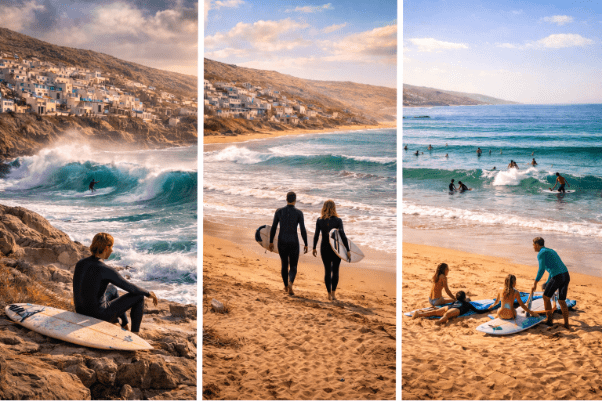
Morocco’s Atlantic coastline delivers rideable waves every single month, yet conditions vary dramatically between seasons. A winter swell at Anchor Point bears little resemblance to a summer session at Panoramas Beach. Understanding these seasonal patterns transforms a decent surf trip into an exceptional one, matching wave conditions to your current abilities whilst avoiding unnecessary crowds or challenging weather.
The Taghazout Bay region operates year-round precisely because different times suit different surfers. Winter attracts advanced riders chasing legendary point breaks, whilst summer welcomes beginners to gentle beach breaks. Experienced operations like the best surf camp in Morocco adjust their teaching locations and approaches based on monthly swell patterns, water temperatures and prevailing wind directions. This seasonal expertise ensures students surf optimal conditions regardless of booking dates.
Understanding Morocco’s Surf Seasons
Morocco’s position on Africa’s northwest shoulder places it directly in the path of North Atlantic low-pressure systems generating powerful groundswells. The intensity and frequency of these swells follow predictable annual cycles, creating four distinct surf periods.
Winter (December-February) delivers the most powerful swells, with wave faces reaching 6-12 feet at exposed points. Spring (March-May) sees swell energy decrease whilst maintaining consistency. Summer (June-August) produces gentlest conditions with 1-4 foot waves ideal for learning. Autumn (September-November) bridges summer’s calm and winter’s power, offering balanced intermediate conditions.
Water temperature swings from 16°C in February to 23°C in August, affecting wetsuit requirements and comfort levels. Crowd density peaks during European summer holidays, rising again for winter’s legendary point break sessions. Wind patterns favour early mornings year-round, typically shifting onshore by afternoon.
The Taghazout region’s diverse breaks mean multiple spots work simultaneously under various conditions. When Anchor Point demands advanced skills during winter, sheltered beaches like Panoramas or Devil’s Rock provide gentler alternatives. This versatility allows quality camps to find appropriate conditions for all ability levels throughout the year.
Winter Surf Season: December Through February
Winter transforms Morocco’s point breaks into world-class waves that originally put Taghazout on the international surf map. Powerful North Atlantic storms generate consistent groundswells with significant wave heights reaching 8-10 feet, occasionally exceeding 12 feet. Wave periods typically range 12-16 seconds, producing long, organized lines.
Advanced surfers flock to Morocco during these months for point break sessions. Anchor Point, Killer Point and Boilers all come alive under winter swells, offering extended rides with barrel sections. These waves demand solid paddling fitness and confident wave selection.
Winter advantages and considerations:
- Wave Quality: Long-period groundswells create clean, organized waves with extended rides
- Consistency: Swells arrive regularly, providing reliable conditions
- Crowd Management: Busier than spring but manageable compared to European destinations
- Weather Variability: Some days bring wind and rain; flexibility helps
- Water Temperature: 16-18°C requires 3/2mm wetsuits, many add booties for mornings
Air temperatures range 15-20°C during winter. According to International Surfing Association (ISA) guidelines, winter conditions demand higher skill levels and enhanced safety awareness.
Beginners shouldn’t write off Morocco during winter. Sheltered beach breaks consistently offer smaller waves suitable for learning, whilst reduced summer crowds mean more practice space.
Spring and Autumn: The Shoulder Season Sweet Spots
March through May and September through November represent Morocco’s most balanced surf periods. Swell consistency remains high whilst wave heights moderate to 3-6 feet—challenging enough for progression yet manageable for intermediates. Water temperatures climb to comfortable 18-21°C, reducing wetsuit thickness needs whilst still providing cooling relief during sessions.
Shoulder seasons attract intermediates because conditions favour skill development. Wave faces provide enough power to practice manoeuvres—cutbacks, bottom turns, speed generation—without intimidating size. The predictable nature of shoulder season waves allows surfers to attempt new techniques with manageable consequences. Crowd levels drop significantly compared to summer, with line-ups thinning at popular spots and providing more wave opportunities per session.
Ideal shoulder season conditions:
- Moderate swell consistency with predictable patterns
- Comfortable water temperatures maintaining energy during sessions
- Pleasant 18-25°C air temperatures for activities
- Offshore morning winds creating clean wave faces
- Lower accommodation prices versus peak season
Weather stabilizes during shoulder months, with spring offering increasingly sunny days and autumn maintaining summer’s pleasant temperatures without extreme heat. Rain remains infrequent, though spring occasionally sees brief showers. These periods particularly suit surfers transitioning from beginner to intermediate levels, providing the next progression step without overwhelming newcomers.
Summer Sessions: June Through August
Summer transforms Morocco’s Atlantic coast into an extensive beginner-friendly beach break playground. Swell energy decreases significantly, with wave heights typically 1-4 feet. Shorter swell periods generate softer, forgiving waves rolling gently into sandy beaches.
Water temperature peaks at 21-23°C, creating the year’s most comfortable conditions. Air temperatures reach 25-30°C, with coastal breezes moderating heat.
Summer’s gentle conditions make this Morocco’s premier learn-to-surf period. Beach breaks across Taghazout Bay produce consistent white water and small green waves perfect for mastering fundamentals. Forgiving sandy bottoms eliminate reef concerns, allowing beginners to focus entirely on technique.
Crowd levels reach annual peaks during July-August as European families utilize summer holidays for surf trips. According to Morocco World News, improved infrastructure has enhanced coastal access, providing additional options beyond immediate Taghazout.
Essential summer planning considerations:
- Book accommodations well in advance for July-August
- Schedule sessions for early morning when winds remain offshore
- Expect warm, sunny weather with minimal rainfall
- Budget for peak season pricing
- Consider June or early September for fewer crowds
Summer Morocco suits first-time surfers, families introducing children to surfing, and anyone prioritizing comfortable water temperatures over wave power.
Making Your Seasonal Choice
Select your Morocco surf trip timing by matching seasonal conditions to your abilities and goals. Advanced surfers chasing legendary point breaks target December-March. Intermediates seeking progression-friendly waves choose shoulder seasons. Beginners learning fundamentals opt for June-August’s gentle conditions.
Consider also your tolerance for weather variability, crowd levels and water temperature. Winter delivers the best waves but requires warmer wetsuits and acceptance of occasional stormy periods. Summer guarantees pleasant weather but brings larger crowds. Shoulder seasons balance these factors, offering moderate waves, crowds, weather and prices throughout.