Most people desire a nice yard that is a reflection of their style and creativity. That said, creating your own outdoor areas without the assistance of a pro can bring unforeseen difficulties. However, understanding where things typically go wrong can make all the difference.
Avoiding common mistakes can impact both aesthetic and enduring use. Learning more about these traps allows you to create a better-looking, more functional yard with the help of a landscape architect near me. It helps homeowners avoid common pitfalls so that their project will go as smoothly as possible. Let’s explore the most frequent mistakes and how to steer clear of them.
Overlooking Soil Quality and Preparation
Any successful garden begins with proper soil preparation. Most property owners start planting without testing or adjusting their soil. This step is often overlooked and results in unhealthy plants and wasted time. Soil testing helps in determining the availability and deficiency of nutrients. Preparing the earth before planting with a little attention to detail can save you time and money in the future.
Ignoring Sunlight and Shade Patterns
Different zones of a yard get different amounts of sunlight throughout the day. Ignoring these patterns may lead to plants struggling or even dying. Certain flowers might thrive in bright sunlight, while others might prefer some shade or at least partial sunlight. Watching the yard at different times of day shows where the best places for the various types of plants are. Plant placement according to natural light ensures good growth and blooming, healthy blooms, and bright colors.
Choosing Incompatible Plants
A garden that thrives hinges on choosing vegetation that is adapted to the local conditions. Most homeowners choose plants by their looks and not by their climatic or soil compatibility. The result commonly leads to stunted growth, disease, and the need for more care. Researching which species do well in the area simply helps increase survival and decrease frustrations. You can refer to gardening books or consult local professionals for guidance on which plants are best.
Neglecting Spacing Requirements
Plants that are crowded have to compete with their neighbors for sunlight and water, taking longer to grow and making them more vulnerable to pests. Shrubs and trees can get quite large, and most people underestimate how big they’ll grow. If they are not given enough room, they need constant pruning or even removal. Reading labels or inquiring about eventual sizes keeps things from getting overcrowded. Proper spacing allows for easier maintenance and improved airflow, according to horticulture experts at Cornell University.
Overcomplicating the Design
While ambitious plans may be enticing, a convoluted design can bog down both the designer and the space. Adding a lot of features like ponds, flower beds, and pathways may make it look messy. Less is often more elegant and less cumbersome. By keeping a few elements as statement or focal pieces, each section of the yard is free to shine on its own. Homeowners who focus on quality, instead of quantity, experience better overall and visually pleasing results.
Neglecting Proper Irrigation Planning
While watering is obviously one of the key things to keep plants healthy, not every yard has an efficient irrigation system. Inconsistent hand-watering leads to a lot of wasted water and uneven growth. Soaker hoses, drip systems, or sprinklers will save time and promote even watering, so plan ahead. Another way to reduce resource use is to group plants with similar needs. Well-planned irrigation enables a green, sustainable garden with minimal effort.
Disregarding Pathways and Accessibility
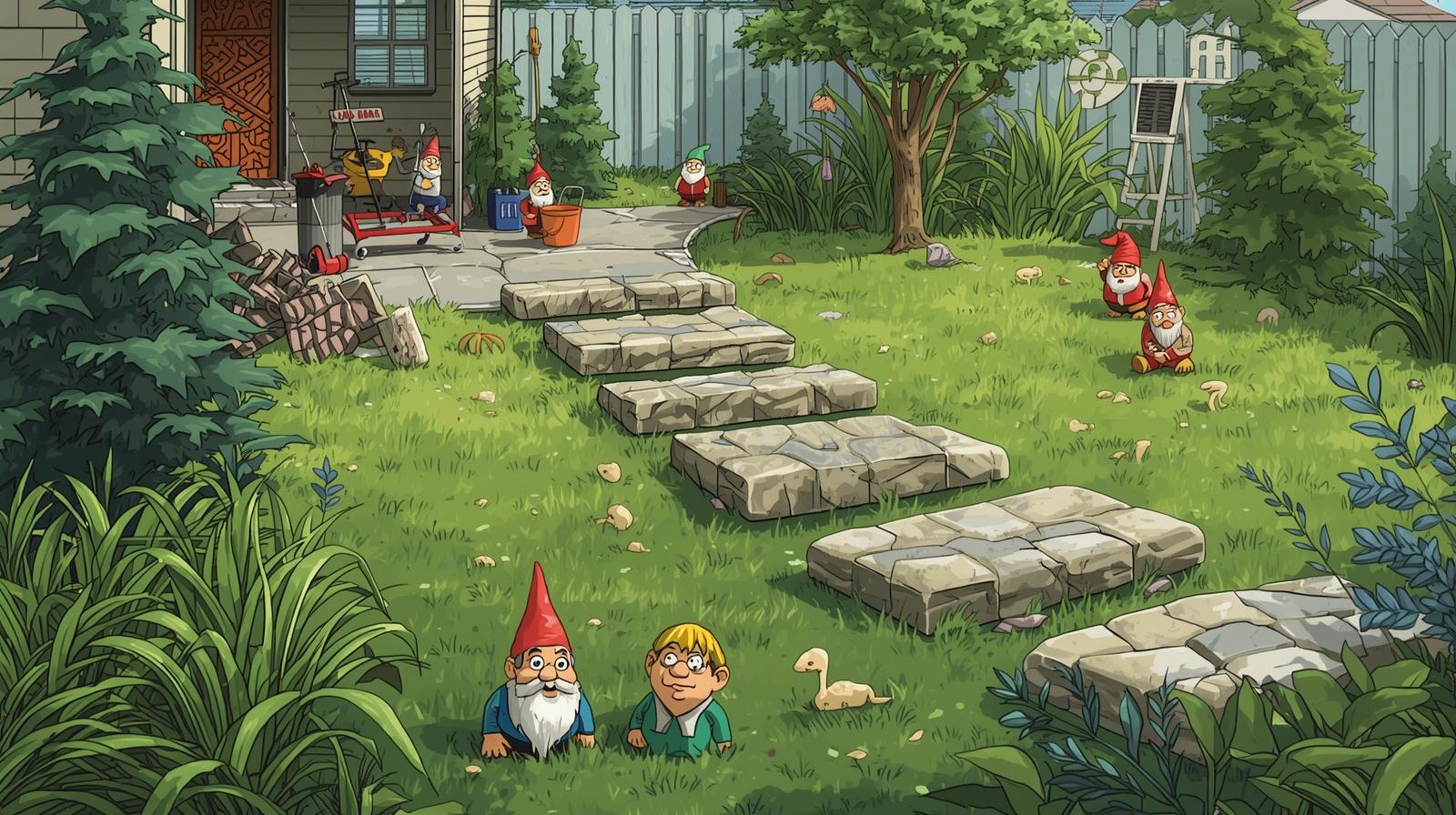
Pathways provide structure and make outdoor spaces more accessible. But if you skip this step, then you are left with worn grass patches and trampled flower beds. With well-placed paths, it is easier to move around, and it better protects delicate vegetation from foot traffic. Gravel, stone, or wood are common materials that are both functional and charming. Moreover, clear walkways make maintenance less hazardous and more convenient.
Overlooking Budget Limitations
Spending for designing a yard can spiral quickly if one does not keep a close eye on expenses. Potentially expensive purchases that double or triple the project scope can get swept away in the excitement over new features. A realistic budget right from the beginning will help you contain costs. It prevents spending shock by prioritizing more important things first. With a little foresight, however, it is possible to develop aesthetics that work without blowing the budget.
Conclusion
You can create a beautiful yard without hiring an expert, though this is a challenge. Awareness of the greatest mistakes is the first step to avoiding disappointment. Good planning, intelligent plant choices, and sensible layout decisions pay long-term dividends. Gardeners who consider these factors tend to be rewarded with more delightful outcomes. And, if you learn from these mistakes, you can own an inviting outdoor escape.