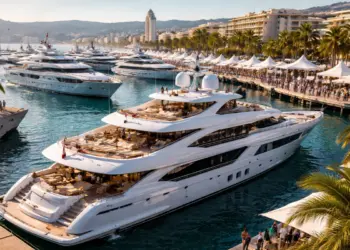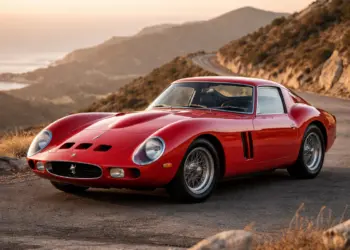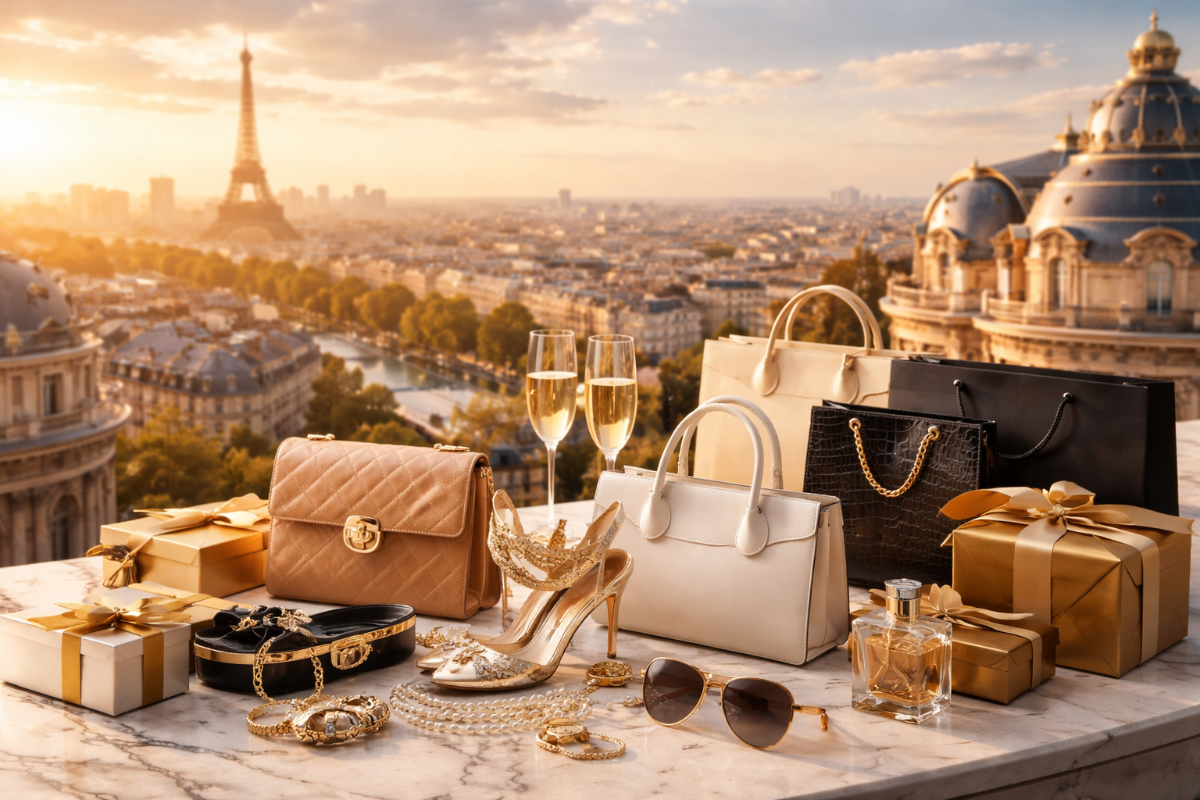
The Luxury Market 2026 is entering a new phase. After several years of uncertainty, the global luxury industry is finally stabilizing. Economic shifts, digital transformation, and changing consumer expectations have pushed brands to rethink how they operate. Today, luxury is no longer just about expensive products. Instead, it is about experience, authenticity, innovation, and value.
In the Luxury Market 2026, brands are focusing more on meaningful connections with customers. Younger buyers, especially Millennials and Gen Z, are shaping how luxury companies design, market, and sell their products. These consumers want transparency, sustainability, and personalized experiences. Therefore, luxury brands are adjusting their strategies to meet these expectations while protecting their heritage and exclusivity.
Moreover, technology is playing a major role in the Luxury Market 2026. Digital commerce, AI-driven personalization, and immersive online shopping experiences are changing how luxury goods reach consumers. As a result, brands that once relied heavily on physical stores are now combining physical and digital channels to create a seamless luxury experience.
Consequently, the global luxury industry is preparing for a new era. Stabilization in 2026 is not just a recovery phase; it is the foundation for future growth and transformation.
Overview of the Luxury Market Trends in 2026
The Luxury Market 2026 shows clear signs of maturity and strategic growth. While earlier years were affected by inflation, supply chain disruptions, and global uncertainty, the industry has adapted.
Several important trends are shaping the luxury sector today:
-
Rise of experiential luxury
-
Increased focus on sustainability
-
Strong digital retail growth
-
Growing influence of younger consumers
-
Expansion in emerging markets
Moreover, luxury brands are investing in innovation while maintaining their traditional brand identity. This balance between heritage and modernization defines the Luxury Market 2026.
Consumers now expect more than a premium price tag. They want a story behind the product, responsible sourcing, and a strong brand purpose.
Stabilization Factors and Economic Influences
The stability of the Luxury Market 2026 did not happen overnight. Multiple economic and industry factors contributed to the recovery.
1. Inflation Adjustment
During previous years, inflation affected consumer spending worldwide. However, high-income consumers remained resilient. Luxury brands adjusted pricing strategies while protecting brand value.
2. Supply Chain Improvements
Luxury companies improved supply chain transparency and efficiency. Consequently, production delays decreased and inventory management improved.
3. Tourism Recovery
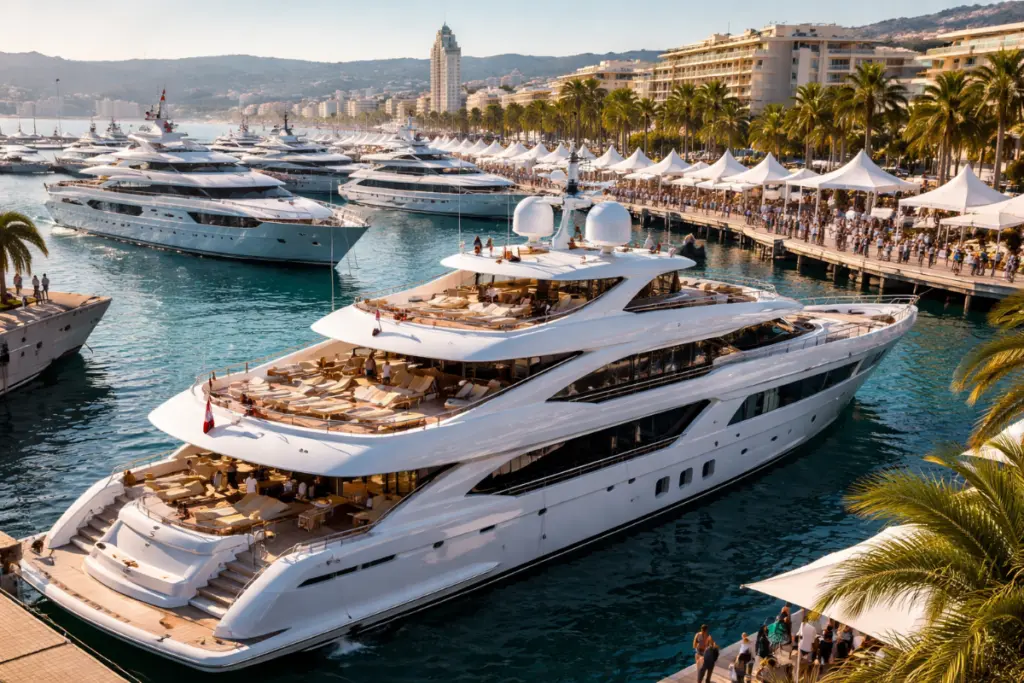
International travel has returned strongly in 2026. Since luxury shopping often happens during travel, tourism recovery has significantly boosted luxury retail.
4. Currency Stabilization
Exchange rate volatility previously impacted global luxury sales. However, improved currency stability has made cross-border luxury shopping easier.
Therefore, these economic improvements created a strong base for the Luxury Market 2026 to grow sustainably.
Shifts in Consumer Behavior and Expectations
Consumer expectations in the Luxury Market 2026 have evolved dramatically.
Today’s luxury consumer values:
-
Authenticity
-
Sustainability
-
Personalization
-
Digital convenience
-
Brand ethics
Moreover, younger buyers are driving these changes. Gen Z and Millennials now represent a major portion of luxury spending.
Key Behavioral Changes
| Traditional Luxury Buyer | Modern Luxury Buyer (2026) |
|---|---|
| Focus on status symbols | Focus on identity and values |
| Prefers in-store shopping | Comfortable with digital luxury purchases |
| Limited brand switching | More open to new brands |
| Product ownership | Experience-driven spending |
Consequently, brands must adapt their storytelling, product design, and marketing strategies.
Luxury is no longer only about exclusivity; it is about relevance and emotional connection.
Emerging Sectors and Product Categories
The Luxury Market 2026 is expanding into new categories beyond traditional fashion and accessories.
Several sectors are growing rapidly.
Luxury Wellness
High-end wellness retreats, premium skincare, and health-focused luxury products are gaining popularity.
Consumers increasingly link luxury with well-being and lifestyle improvement.
Sustainable Luxury
Eco-conscious luxury products are rising fast. Brands now emphasize:
-
Ethical sourcing
-
Carbon-neutral production
-
Recycled materials
Luxury Technology
Smart luxury devices are entering the market. Examples include premium smartwatches, designer tech accessories, and AI-powered lifestyle products.
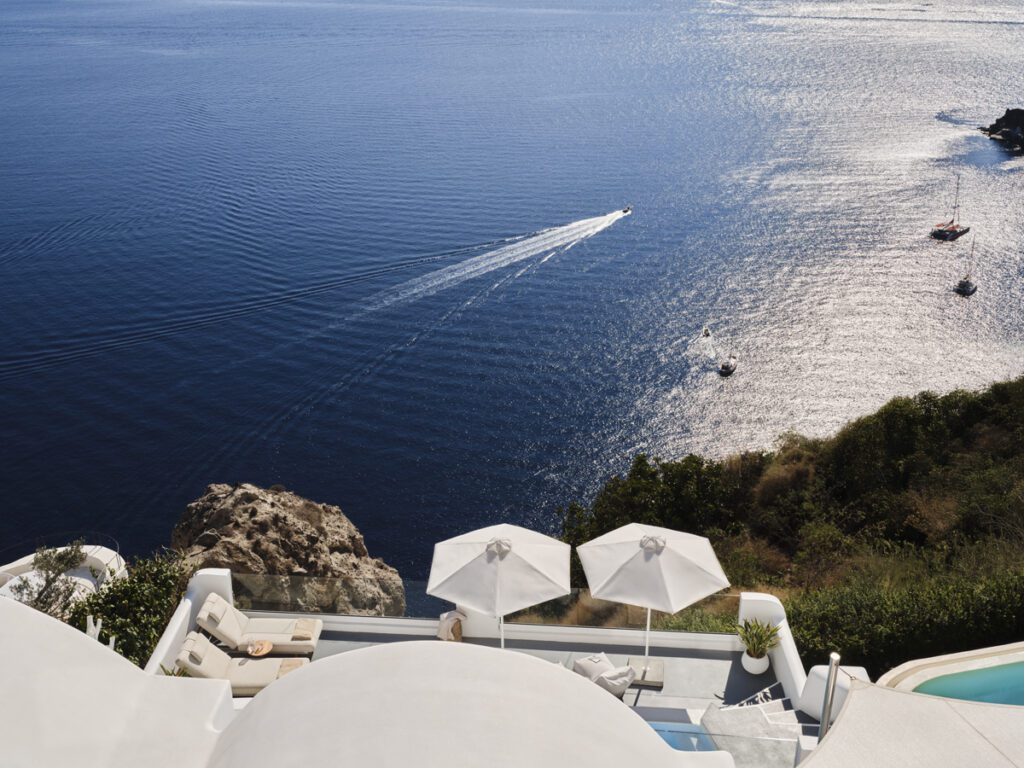
Luxury Hospitality and Experiences
Luxury travel, private experiences, and exclusive memberships are expanding quickly.
Therefore, the Luxury Market 2026 is evolving from product-focused to experience-driven luxury.
Digital Transformation and E-Commerce Impact
Digital transformation is one of the biggest drivers of the Luxury Market 2026.
Luxury brands once relied almost entirely on physical boutiques. However, digital commerce now plays a crucial role.
Growth of Online Luxury Retail
E-commerce luxury sales have grown steadily because consumers now trust online platforms for high-value purchases.
Moreover, digital shopping experiences have improved through:
-
Virtual showrooms
-
Augmented reality try-ons
-
AI product recommendations
-
Exclusive online launches
Omnichannel Retail Strategy
Luxury brands are combining physical stores with digital platforms.
| Retail Model | Key Features | Impact on Luxury |
|---|---|---|
| Traditional Retail | In-store purchases only | Limited reach |
| E-Commerce Retail | Online-only platforms | Global accessibility |
| Omnichannel Retail | Integrated online and offline experience | Best customer engagement |
Consequently, the Luxury Market 2026 depends heavily on technology-driven customer journeys.
Global vs Regional Luxury Growth
While luxury demand is global, growth patterns differ by region in the Luxury Market 2026.
Asia-Pacific
Asia remains the fastest-growing luxury region. China, South Korea, and Southeast Asia continue to drive demand.
Young digital-native consumers dominate luxury purchases in this region.
Europe
Europe remains the heart of luxury heritage brands. Tourism recovery has boosted luxury retail in cities such as Paris, Milan, and London.
North America
The United States continues to be a strong luxury market due to high consumer purchasing power and strong e-commerce adoption.
Middle East
Luxury demand in the Middle East is increasing rapidly due to:
-
High disposable incomes
-
Luxury tourism
-
Premium lifestyle culture
Therefore, the Luxury Market 2026 shows both global expansion and regional specialization.
Brand Strategies and Innovation Examples
To succeed in the Luxury Market 2026, brands are using innovative strategies.
1. Personalization Through AI
Luxury brands are using artificial intelligence to provide customized recommendations and shopping experiences.
2. Limited Edition Drops
Scarcity remains a powerful luxury strategy. Limited releases create excitement and exclusivity.
3. Sustainability Leadership
Brands investing in sustainable production gain strong consumer trust.
4. Digital Luxury Communities
Many brands are building digital communities through apps, private memberships, and loyalty ecosystems.
Consequently, innovation now defines the competitive advantage in the Luxury Market 2026.
Luxury brands that combine heritage, technology, and sustainability are likely to dominate the next decade.
The Future Outlook of the Luxury Market
Looking ahead, the Luxury Market 2026 appears ready for long-term growth.
Several factors support this positive outlook:
-
Growing wealth in emerging markets
-
Expanding digital luxury ecosystems
-
Increased demand for premium experiences
-
Strong brand innovation
However, competition will also increase. New luxury startups and digital-first brands are entering the market rapidly.
Therefore, established luxury houses must continue evolving while preserving their identity.
The next era of luxury will focus on experience, technology, personalization, and sustainability.
Frequently Asked Questions
What is the Luxury Market 2026?
The Luxury Market 2026 refers to the global luxury industry landscape in 2026, including fashion, accessories, experiences, and premium lifestyle products.
Why is the luxury market stabilizing in 2026?
Economic recovery, improved supply chains, tourism growth, and digital transformation have helped stabilize the luxury industry.
Who are the main consumers in the Luxury Market 2026?
Millennials and Gen Z are becoming the dominant luxury buyers, influencing trends, sustainability expectations, and digital shopping behavior.
How important is e-commerce for luxury brands in 2026?
E-commerce plays a crucial role. Many luxury brands now use omnichannel strategies that combine physical stores with digital platforms.
Which regions are driving luxury growth?
Asia-Pacific leads luxury growth, followed by North America, Europe, and the Middle East.