Have you ever felt that your body changed without permission and your mind never got the time to catch up? It starts to feel like that one year you’re moving through your days without much thought and the next you’re questioning sleep, energy and most importantly: patience. Your midlife isn’t going to ask for permission; it’ll arrive without consent, silently. That said, the good news is that health in every age responds to the choices you make every day.
In this blog, we’re going to share practical and applicable strategies that help you stay strong and prepared for midlife and beyond.
Hormonal Changes and Smart Medical Decisions
When estrogen levels start to fluctuate and gradually decline, your body tends to respond in invisible and visible ways. Your sleep starts becoming patchy, you gain weight in new places, your joints feel stiff in the morning, and your mood can also shift without warning. Several women describe this as feeling uncomfortable or unfamiliar in their own skin.
Ignoring these changes rarely helps. Dismissing them as a “midlife crisis” often leads to years of low-grade suffering that most people aren’t prepared for. Today, more women are seeking educated opinions rather than relying solely on guesswork. This includes symptom tracking, lab testing and informed conversations with clinicians who understand midlife physiology. This is where menopause treatment plays an important role when symptoms start to interfere with daily life. The goal isn’t to restore youth. It’s rather about restoring stability so that focus, sleep and physical comfort improve.
For some women this support can be short term, while for others it’s part of a longer plan that is reviewed regularly. In this case, a customized approach works better than assumptions. Apart from hormones midlife is also when you should examine thyroid function, inflammatory markers, cholesterol and blood sugar levels. Small imbalances that used to cause few problems can now have wider effects. When you take a proactive approach, you replace uncertainty with data and also reduce long-term risk.
The Cultural Shift Around Women’s Aging
The current generation of women are living longer than any generation that came before them. That sounds good until you realize that much of the healthcare industry is still trying to understand what that implies. For years, aging in women has been framed as a defeat. It was something every female had to manage quietly, but now things are changing. Public conversations around topics like bone density, hormonal shifts and heart health have started to become more common. This makes sense, especially since heart disease causes about 1 in 5 deaths among women, making it the leading cause of death for women in the U.S. This is partly due to the fact that women in their 40s, 50s and 60s are still leading stellar companies, shaping public life, and raising good families (sometimes simultaneously).
At the same time, the wellness industry has grown in size. Now, social media promises youth in a jar and tech companies are marketing products that can track your heartbeat. It’s easy to get swept up by the noise but the real work continues to stay steady and unglamorous. It’s essential to know that long-term wellness depends more on daily habits that protect muscle, brain, bone and cardiovascular health rather than trends.
Your midlife doesn’t have to be a breakdown. It can be about recalibration too. It’s a time when recovery takes longer, metabolism slows down and hormones shift – this isn’t personal failure – it’s biology. The women who thrive in this phase of life aren’t the ones chasing perfection or infinite youth. It’s the ones who have clear eyes, realistic goals and are willing to accept themselves as who they are.
Strength and Mobility as Non-Negotiables
One strategy that consistently leads to better outcomes in the later decades of life is strength training. Your body’s muscle ratio isn’t just for appearance. Muscles regulate your body’s blood sugar, stabilize posture, protect joints, and also support balance. After 40, women lose muscle mass fast if they don’t put up a good fight.
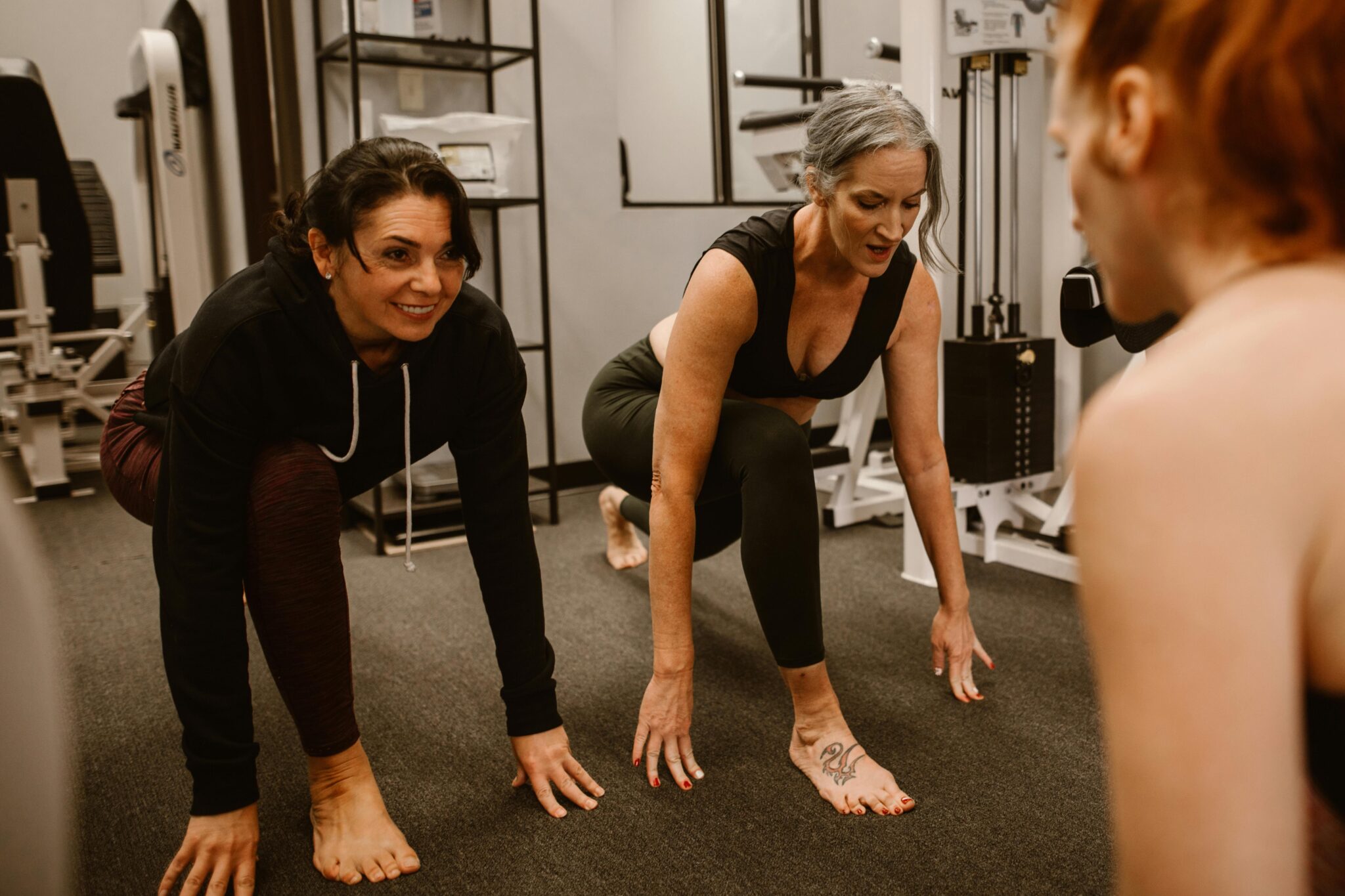
With two to three sessions every week, you can slow that decline. The goal should be progressive overload, during which you consistently increase the strain you put on your muscles. Dumbbells, resistance bands, movements and machines all can do wonders when used with intention. Form matters more than weight or speed.
You also shouldn’t ignore mobility. Your thoracic spine, shoulders and hips all tend to stiffen with desk work and age. Try incorporating simple routines that introduce joint mobility exercises and stretching into your workouts. Women who consistently work on maintaining mobility also successfully beat chronic pains that many think are inevitable.
The second half of your life will reward foresight. Preventive screenings can help catch issues before they escalate and turn into something serious. Regular cholesterol checks, mammograms, cervical screenings, blood pressure monitoring and blood sugar testing all provide measurable insight into the way your body works.
Remember: long-term wellness isn’t about resisting age. It’s about building capacity for leading a life without pain. A life in which you can sleep deeply, think clearly and maintain independence.