Have you ever wondered why some neighborhoods feel alive while others feel silent? Two streets can look similar on paper. Yet one buzzes with activity while the other feels distant. The difference often lies beyond square footage and price. It lives in shared spaces, thoughtful design, and daily convenience. In fast-growing areas like Katy, Texas, families are not just buying houses – they are choosing environments that shape everyday routines. In this blog, we will share how lifestyle amenities elevate community living and why they influence connection, value, and long-term satisfaction.
Parks and Green Space That Invite Real Use
Green space is no longer a bonus feature. It has become a priority. After years of remote work and indoor living, people crave fresh air. Public parks encourage spontaneous activity. Walking trails support both exercise and conversation. Playgrounds bring children together without formal invitations.
Recent health studies show rising stress levels across age groups. Access to outdoor areas helps reduce that strain. Therefore, neighborhoods with shaded paths and open lawns offer more than beauty. They offer daily relief. Residents are more likely to take evening walks when trails are nearby.
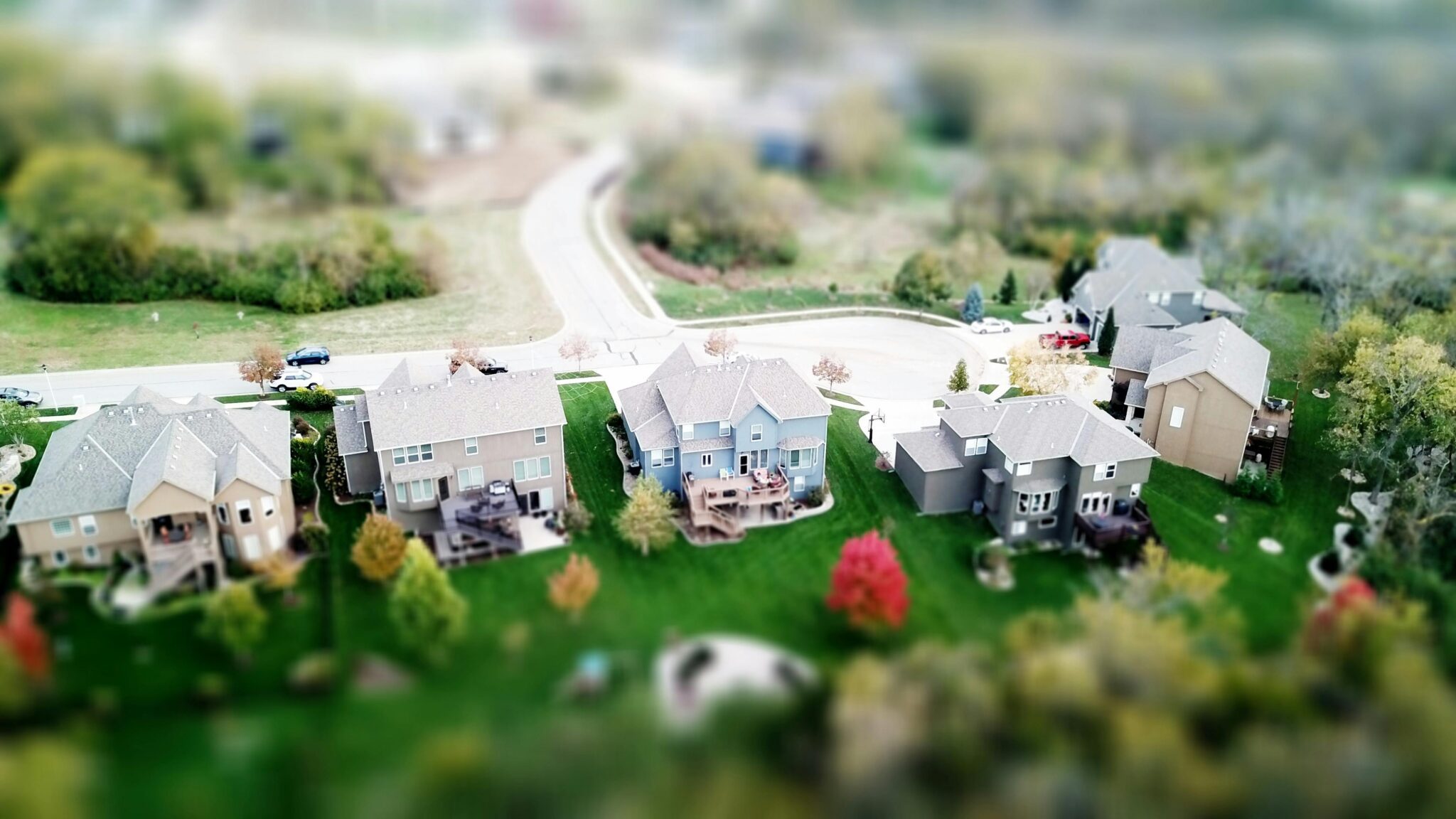
In communities designed around lifestyle, proximity matters. If you are a Katy resident, you must check out new homes for sale in Grange because the community is intentionally planned with connected green space, walkable streets, and shared gathering areas that support daily interaction. Parks are positioned within easy reach of homes, so outdoor time becomes part of a normal routine rather than a special trip. Trails link neighborhoods to open lawns and shaded seating areas, which encourages both movement and conversation.
Green space works quietly. It rarely demands attention. Yet it changes how people live.
Community Pools and Shared Recreation
Swimming pools once symbolized luxury. Today, they represent shared leisure. A community pool reduces individual maintenance while expanding access. Children learn to swim together. Parents connect during summer afternoons. Casual conversations begin in the shallow end.
Fitness centers within neighborhoods reflect changing work habits. Many residents now work from home. Therefore, convenient exercise spaces eliminate long commutes to gyms. Morning workouts become realistic before school drop-offs. Evening routines feel easier without traffic delays.
Basketball courts and pickleball courts have grown in popularity. Social media trends have revived interest in simple sports. Friendly competition builds familiarity among neighbors. Laughter carries across open spaces.
Amenities like these encourage movement and interaction. They shift leisure from isolated screens to shared environments. That shift supports mental and physical health in subtle ways.
Walkability and Daily Convenience
Walkable neighborhoods feel different from car-dependent ones. Sidewalks connect homes to gathering spots. Street lighting improves safety after sunset. Benches provide rest for older residents. These details influence daily behavior.
Local coffee shops within walking distance increase spontaneous meetings. Small retail spaces reduce travel time for errands. Therefore, daily tasks feel less burdensome. Convenience supports consistency in social interaction.
National surveys show younger buyers prioritize walkability. They value proximity to essentials over large private yards. This reflects broader cultural shifts toward sustainability. Reduced car use lowers emissions. Shorter trips save time.
Walkability also increases property appeal. Homes in accessible neighborhoods often maintain value longer. Infrastructure influences lifestyle choices more than brochures suggest.
Event Spaces That Create Shared Identity
Communities with event lawns or clubhouses host gatherings year-round. Holiday markets bring residents together. Outdoor movie nights attract families with lawn chairs. Seasonal festivals encourage participation across generations.
After periods of social distancing in recent years, people recognize the value of gathering. Shared events rebuild familiarity. Therefore, thoughtfully designed event spaces serve practical social needs. They become anchors for tradition.
A clubhouse can function as a meeting hall. It can host birthday parties or fitness classes. Flexible design allows for changing interests over time. This adaptability keeps amenities relevant.
Neighborhood identity grows stronger when residents share experiences. That identity increases pride and engagement. Pride supports maintenance and mutual respect.
Thoughtful Design That Encourages Interaction
Street layout influences social behavior. Front porches facing sidewalks invite conversation. Narrower streets slow traffic naturally. Pocket parks create smaller gathering zones.
Developers have studied how design shapes connection. Wide open lawns look appealing in renderings. Yet smaller shared spaces often produce more interaction. Therefore, scale matters.
Mail kiosks placed centrally encourage brief exchanges. Dog parks provide common ground for pet owners. Even playground placement affects community flow. When amenities are integrated rather than isolated, activity spreads evenly.
Design decisions may appear minor. They shape habits for decades.
Technology That Enhances Community
Digital tools now support neighborhood communication. Apps notify residents about events. Online portals simplify maintenance requests. Security features improve safety.
Smart lighting systems increase visibility after dark. Gated access can offer controlled entry points. Therefore, safety concerns are addressed without sacrificing openness.
Technology also supports sustainability. Irrigation systems can adjust automatically based on weather patterns. Energy-efficient lighting reduces long-term costs. These features align with broader environmental awareness.
Modern buyers expect connectivity. They want high-speed internet infrastructure. They also want spaces that feel grounded. Balancing technology with warmth remains essential.
Long-Term Value Beyond the Home
Lifestyle amenities influence more than daily comfort. They affect long-term property value. Buyers consider school access, recreation options, and community engagement. These factors shape resale potential.
Economic uncertainty has influenced housing decisions nationwide. Buyers seek stability and return on investment. Therefore, communities offering comprehensive amenities stand out. They provide tangible benefits that extend beyond walls.
Amenities also support aging in place. Walking trails accommodate different mobility levels. Community centers offer classes for varied interests. Inclusive design benefits every generation.
Homes exist within ecosystems. Streets, parks, and gathering spaces contribute equally to satisfaction.
The Human Element Behind the Amenities
Amenities alone do not create belonging. People activate spaces. A park remains empty without participation. A clubhouse feels silent without events. Residents shape atmosphere.
Communities that foster involvement tend to thrive. Volunteer committees plan celebrations. Neighbors introduce newcomers. Informal traditions emerge naturally.
Connection requires opportunity. Amenities provide the setting. Residents supply the energy.
Shared experiences build trust. Trust builds stronger neighborhoods.
Bringing It All Together
Lifestyle amenities elevate community living by blending convenience with connection. Parks reduce stress. Pools encourage recreation. Walkability simplifies daily routines. Event spaces create shared identity. Technology enhances safety and sustainability.
These elements work together.
Communities built around thoughtful amenities offer more than shelter. They provide structure for relationships. They create environments where routine interactions feel meaningful. In an era shaped by rapid change and digital overload, spaces designed for real-life engagement support stability, well-being, and long-term value, reminding residents that where they live shapes how they live every single day.