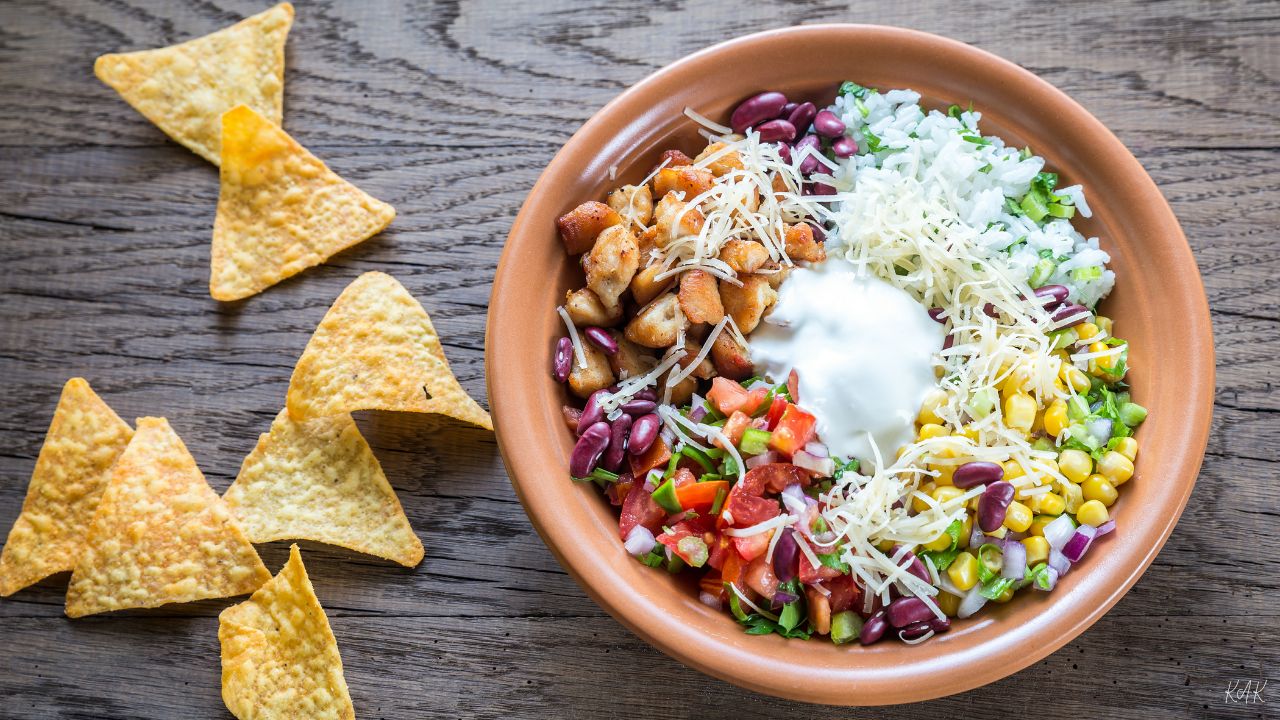
In an age where wellness and convenience must coexist, few restaurant chains have mastered that balance like Chipotle Mexican Grill. With its farm-to-table branding and customizable bowls, Chipotle has become a go-to for professionals, fitness enthusiasts, and families looking for a quick yet conscious meal.
But as the question continues to trend online — is Chipotle healthy? — the answer requires more than a simple yes or no. The truth, like its famous burrito bowl, depends entirely on what you put inside.
A Fast-Casual Revolution: Chipotle’s Promise of Freshness
When Chipotle first emerged in the early 2000s, it disrupted traditional fast food with an elevated model: ingredients you could see, meals you could customize, and portions that felt substantial without the guilt.
At its core, Chipotle promotes whole, real ingredients — grilled meats, beans, vegetables, and salsas made fresh daily. Unlike many quick-service chains, there are no fryers, no artificial flavorings, and no microwaved shortcuts.
This foundation alone makes it potentially healthy. The problem isn’t what Chipotle offers — it’s how we order it.
When Chipotle Is Healthy — and When It Isn’t
Chipotle can absolutely be part of a balanced lifestyle. Here’s where it shines:
-
Custom control — You decide what goes into your meal, giving you direct control over calories and macros.
-
Whole foods — Beans, brown rice, veggies, lean proteins, and fresh salsas deliver nutrients and fiber.
-
Plant-based options — From sofritas to vegetarian bowls, the brand has expanded its appeal to health-conscious eaters.
-
Lifestyle bowls — Whether you’re keto, paleo, or vegan, Chipotle offers pre-curated combinations aligned with modern diets.
However, even the healthiest base can become a nutritional minefield if you overload it with calorie-heavy toppings.
A single burrito can top 1,000 calories, and that’s before adding guacamole, cheese, and sour cream. The tortilla alone can pack 300 calories, while chips and queso can double your sodium and fat intake in one sitting.
How to Make Chipotle a Smart, Healthy Choice
The key to turning Chipotle into a wellness-friendly meal lies in strategic ordering — small tweaks with big payoffs.
1. Start With the Right Base
-
Choose brown rice or greens instead of a full flour tortilla.
-
Go half-rice, half-greens for a balanced bowl.
-
Skip rice entirely if you’re cutting carbs — extra fajita veggies will add volume without calories.
2. Pick Lean Proteins
-
Grilled chicken or sofritas (tofu-based) are among the best picks.
-
Carnitas or barbacoa taste amazing, but their higher fat content makes them an occasional choice.
3. Load Up on Veggies
-
Fajita peppers, lettuce, and tomato salsa bulk up your meal while keeping it light.
-
Double the veggies for extra fiber and nutrients.
4. Use Healthy Fats Wisely
-
Guacamole offers heart-healthy monounsaturated fats — but moderation matters.
-
Cheese, sour cream, and queso should be treated as flavor accents, not staples.
5. Be Mindful of Add-Ons
-
Chips, tortillas, and queso turn your bowl into a calorie bomb.
-
A side of fresh salsa or a splash of vinaigrette keeps it flavorful without excess fat.
6. Hydrate Smarter
-
Skip sugary drinks and pair your bowl with sparkling water or unsweetened iced tea.
Sample “Impact Approved” Chipotle Orders
If you’re seeking balance — or inspiration — try one of these editor-approved builds:
The Performance Bowl:
Brown rice, grilled chicken, black beans, fajita veggies, tomato salsa, and a spoon of guacamole. High in protein, moderate in carbs, and full of color.
The Wellness Bowl:
Romaine base, sofritas, fresh tomato salsa, fajita veggies, and lettuce. Entirely plant-based and rich in fiber.
The Executive Power Bowl:
Half brown rice, half greens, double chicken, pico de gallo, and light cheese. Balanced for energy and satiety — perfect for the lunch-hour meeting.
Also read: A Diet That Defends: Experts Reveal the Best Foods to Lower Prostate Cancer Risk
The Hidden Health Hazards
Even when made fresh, Chipotle isn’t immune to the pitfalls of modern dining.
-
Sodium: Some bowls pack up to 2,000 mg of sodium — nearly your full daily intake.
-
Portion size: Oversized servings can turn an otherwise healthy meal into two in disguise.
-
Refined carbs: Flour tortillas, chips, and white rice spike blood sugar more quickly than you’d expect.
Balance, not elimination, is the key. Splitting portions or saving half for later is a simple way to manage intake without losing satisfaction.
So — Is Chipotle Healthy?
The verdict: Chipotle is as healthy as you make it.
With fresh ingredients and full transparency, it offers a foundation for mindful eating. But when indulgent toppings and portions creep in, your “healthy fast food” becomes just another caloric splurge.
Think of it this way — Chipotle gives you the raw materials of wellness. Your choices determine whether it becomes a nourishing meal or a nutritional trap.
The Impact Wealth Perspective
For busy professionals and high-performance individuals, health often begins with convenience. Chipotle’s model — fast, fresh, customizable — aligns with a lifestyle that values time without compromising quality.
But like any investment, returns depend on strategy.
Your body is your portfolio, and what you put into it affects performance, longevity, and energy.
So, next time you step up to that stainless-steel counter, order with intention. Build your bowl like you build your business: balanced, mindful, and built for long-term gain.
Final Bite: The Bottom Line
Yes, Chipotle can absolutely be healthy — if you want it to be.
It’s not about perfection; it’s about awareness. Because in the world of fast-casual dining, the most powerful ingredient on the menu is always your choice.
Also read: Optimizing Meal Times: How Eating at the Right Hour Can Boost Energy and Prevent Chronic Disease