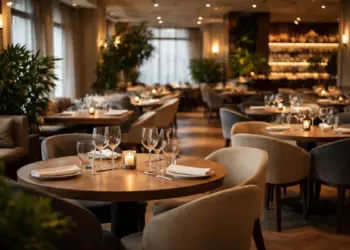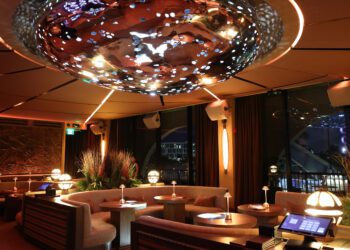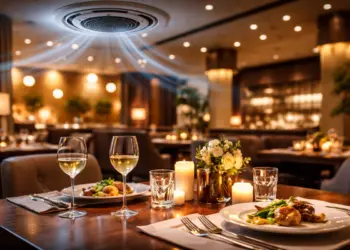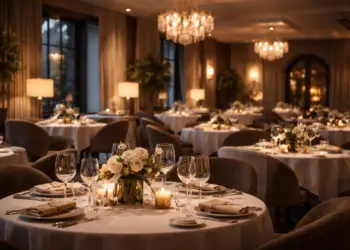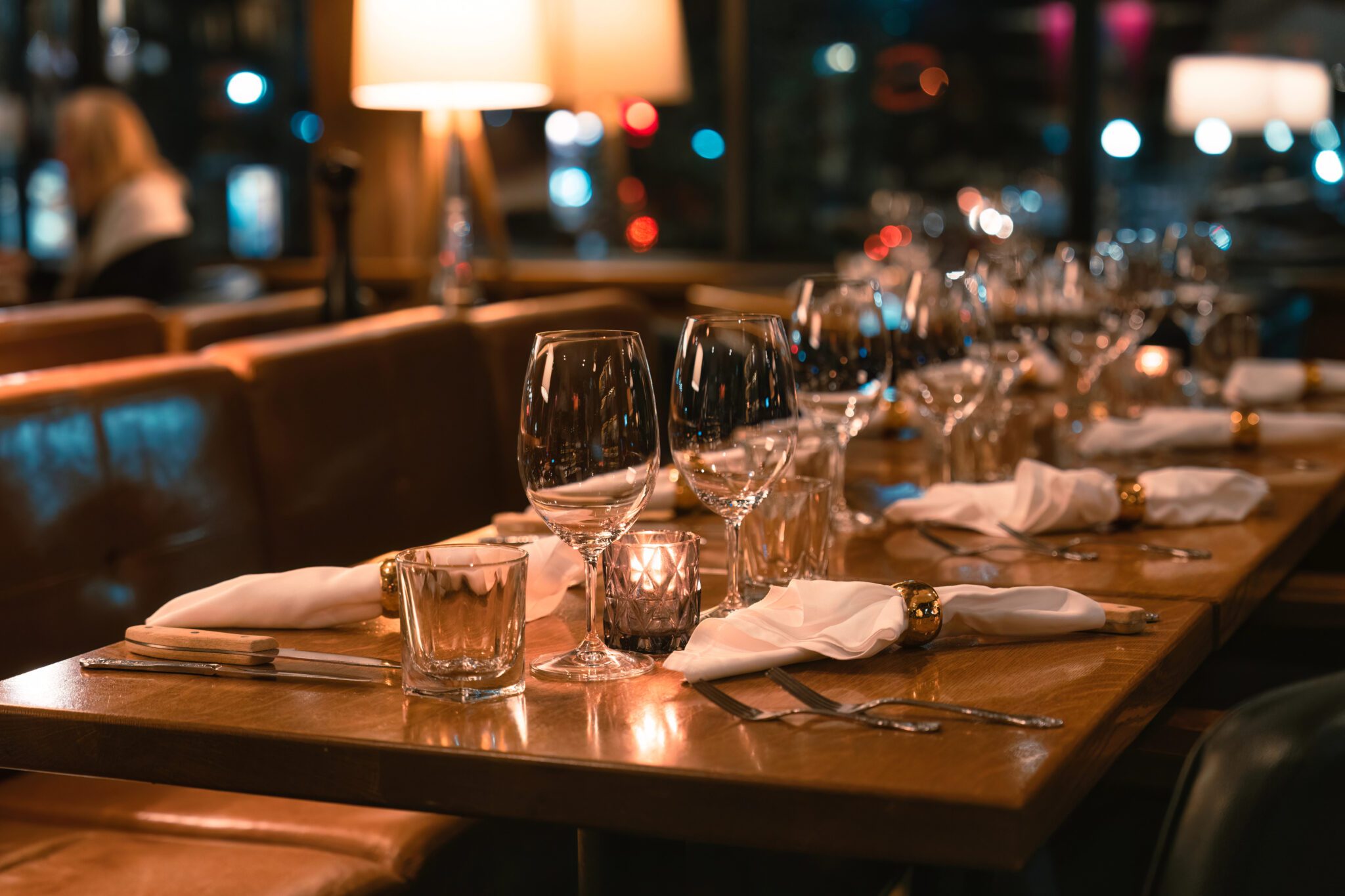
Step into a high-end restaurant today, and something subtle happens before the first bite ever reaches the table. The lighting feels intentional, the spacing feels balanced, and the chair you sit in quietly sets expectations. It is not just about comfort. It is about signaling quality, confidence, and attention to detail in a way that guests feel immediately.
That shift is not accidental. Across the hospitality industry, operators are rethinking where their budgets go. While food and labor still dominate costs, a growing number of upscale restaurants are directing more capital toward furniture, especially seating. Premium restaurant chairs are no longer viewed as an aesthetic upgrade. They are being treated as a strategic investment tied directly to guest satisfaction, brand perception, and long-term profitability.
The Experience Economy Is Reshaping Spending Priorities
Dining out has changed. Guests are no longer just paying for a meal; they are paying for an experience that feels worth their time and money. This is especially true in the upscale segment, where expectations are higher, and competition is intense.
Recent industry data shows that more than 70 percent of diners say ambiance plays a major role in their decision to return to a restaurant. That includes elements like layout, lighting, and seating. Chairs, in particular, influence how long guests stay, how relaxed they feel, and how they perceive the overall value of the experience.
Restaurants that understand this are adjusting their budgets accordingly. Instead of cutting corners on seating, they are investing in pieces that elevate the entire room.
Premium Chairs as a Revenue Strategy
It may seem counterintuitive to spend more on chairs, but the financial logic is becoming clearer. Premium seating supports higher check averages and longer dwell times, both of which directly impact revenue.
Consider how guest behavior changes in a comfortable environment. When seating feels supportive and well designed, guests are more likely to order another drink, stay for dessert, or extend their visit. Over time, those small increases compound into meaningful revenue gains.
- Longer average table times can increase total spend per guest
- Comfortable seating reduces turnover stress and improves service flow
- Elevated design justifies premium pricing across the menu
Operators are beginning to view chairs not as a cost to minimize, but as a tool to maximize revenue potential.
Durability and Lifecycle Value Matter More Than Ever
Upscale restaurants operate in high-traffic environments where furniture is used constantly. A chair might be occupied for hours every day, moved dozens of times, and exposed to spills, cleaning chemicals, and wear.
Lower-quality seating often needs to be replaced within a few years. Premium chairs, on the other hand, are built for commercial use with reinforced frames, higher-grade materials, and finishes designed to withstand daily use.
The long-term math becomes clear when lifecycle costs are considered. A chair that lasts twice as long and requires fewer repairs often ends up being the more economical choice.
This shift toward lifecycle thinking is especially important in a market where margins are tight. With average restaurant profit margins hovering between 3 and 5 percent, reducing replacement cycles can make a noticeable difference.
Design as Brand Communication
In upscale dining, every visual element communicates something about the brand. Chairs play a larger role in that message than many operators realize.
A well-chosen chair can reinforce a restaurant’s identity, whether that is modern minimalism, classic elegance, or industrial sophistication. The shape, material, and finish all contribute to how guests interpret the space.
Premium chairs often offer more customization options, allowing restaurants to align seating with their overall design concept. That level of control helps create a cohesive environment that feels intentional rather than pieced together.
When guests walk into a space that feels curated, they are more likely to associate the restaurant with quality and professionalism.
Comfort Is Directly Linked to Guest Satisfaction
Comfort is not just a nice feature; it is a measurable driver of customer satisfaction. Guests who feel physically at ease are more likely to enjoy their meal, engage with their companions, and leave positive reviews.
Seating that is too rigid, too low, or poorly balanced can create subtle discomfort that affects the entire experience. Guests may not always articulate the issue, but it influences how they rate the restaurant.
Upscale operators are paying closer attention to ergonomics, seat padding, back support, and overall proportions. Premium chairs are designed with these factors in mind, offering a level of comfort that supports longer and more enjoyable visits.
The Role of Social Media and Visual Impact
The rise of social media has added another layer to the importance of design. Restaurants are no longer just physical spaces; they are visual content platforms where guests share their experiences.
Chairs contribute to how a space looks in photos and videos. Distinctive seating can become part of a restaurant’s visual identity, making it more recognizable and shareable.
A well-designed chair can enhance the overall composition of a dining room, helping it stand out in a crowded digital landscape. For upscale restaurants, that visibility translates into free marketing and increased brand awareness.
Strategic Allocation of Budget
Allocating more budget to premium chairs does not mean overspending without a plan. Successful operators approach this decision strategically, balancing upfront costs with long-term benefits.
They consider factors such as expected traffic, maintenance requirements, and the role of seating in the overall design concept. The goal is to invest where it matters most, rather than spreading resources too thin.
- Focus on high-impact areas such as main dining rooms and bar seating
- Choose materials that align with both design and durability needs
- Prioritize comfort without compromising visual appeal
This targeted approach ensures that every dollar spent contributes to a stronger overall experience.
Looking Ahead: The Future of Hospitality Seating
The trend toward premium seating is likely to continue as the hospitality industry evolves. Guests are becoming more discerning, and restaurants are under pressure to deliver experiences that feel worth the price.
Design innovation is also playing a role. New materials, improved manufacturing techniques, and increased customization options are making it easier for operators to find seating that meets both aesthetic and functional needs.
In the coming years, seating will become even more integrated into the broader strategy of restaurant design. It will not just support the experience, it will help define it.
A Smarter Investment in Guest Experience
At its core, the shift toward premium chairs reflects a broader change in how restaurants think about value. It is no longer just about minimizing costs; it is about maximizing impact.
When seating is treated as an investment rather than an expense, it becomes a powerful tool for shaping guest perception, improving satisfaction, and driving revenue. Upscale restaurants that recognize this are positioning themselves for long-term success.
The chair may seem like a small detail, but in a competitive market, small details often make the biggest difference.