Inside the World’s Quickest Machines, speed meets precision. From blistering top speeds to near-perfect handling, today’s fastest cars are feats of engineering that push the boundaries of what’s possible on four wheels. Each hypercar or supercar is a synthesis of design, technology, and relentless innovation, where milliseconds matter and aerodynamics are as critical as horsepower.
Today’s Fastest Cars are not just about raw power; they embody the seamless integration of lightweight materials, tire performance, and drivetrain optimization. Engineers carefully balance performance with safety, ensuring these machines remain controllable even at velocities exceeding 250 mph. For automotive enthusiasts and engineers alike, understanding how these cars are built reveals a world where science and adrenaline coexist.
Moreover, the pursuit of speed drives constant innovation. Manufacturers like Bugatti, Koenigsegg, Ferrari, and McLaren compete not just on numbers but on engineering artistry. Inside the World’s Quickest Machines, we explore how these companies achieve record-breaking performance, from engine architecture to aerodynamic mastery, revealing the secret behind speed demons that dominate tracks and roads worldwide.
Engine Performance: The Heart of Speed
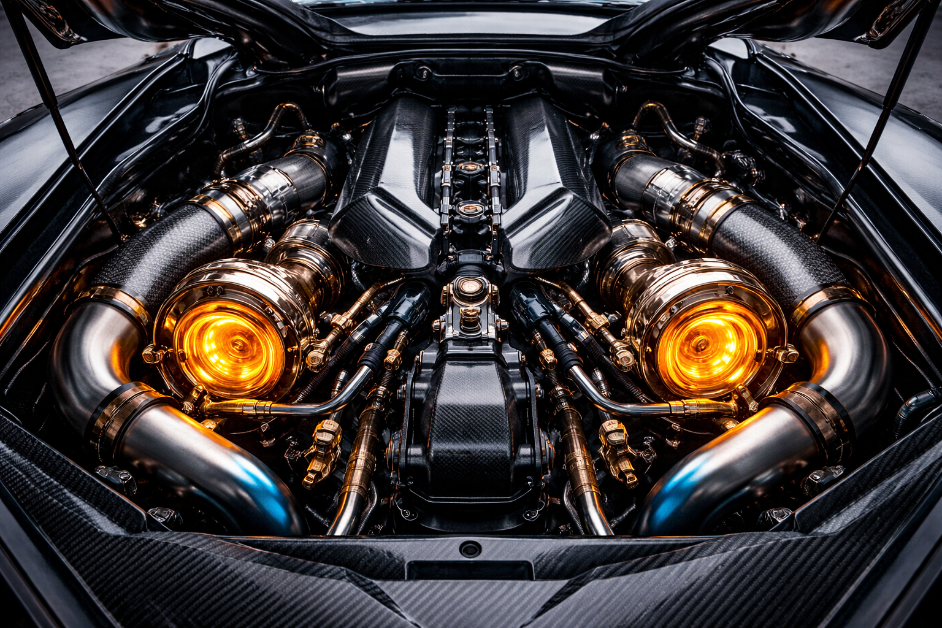
Inside the World’s Quickest Machines, the engine is the core that powers every hypercar and supercar. It’s not just about raw horsepower; it’s about how carefully engineers combine power, precision, and reliability to deliver extreme acceleration and top speed. From the quad-turbo W16 in a Bugatti Chiron to the twin-turbo V8 in a Koenigsegg Jesko, these engines are designed to perform under incredible stress while staying controllable.
Key features of these engines include:
-
Turbocharging and Supercharging: Compressing air allows more fuel to burn efficiently, creating massive power without making the engine bigger. This is essential for quick acceleration and high top speeds.
-
Lightweight Parts: Titanium valves, forged pistons, and carbon fiber components reduce engine weight, helping the car rev faster and respond instantly to the driver’s input.
-
Cooling Systems: Powerful engines produce extreme heat. Advanced cooling systems, including radiators, intercoolers, and specialized oil circuits, keep temperatures in check for reliable performance.
-
Precise Engine Control: Modern hypercars use electronic systems to adjust fuel, ignition, and turbo pressure in real time. This ensures the engine always delivers maximum performance safely.
-
Hybrid Assistance: Some of today’s fastest cars use electric motors to provide extra torque and smoother power delivery. This helps achieve quicker 0–60 times while improving overall efficiency.
Every element of the engine is tuned for balance. The goal is not just speed, but smooth, controlled power that allows Inside the World’s Quickest Machines to perform flawlessly on the track or road. It’s this combination of engineering skill and innovative technology that sets these cars apart as true speed demons.
Aerodynamics: Cutting Through the Air
Inside the World’s Quickest Machines, aerodynamics plays a crucial role in achieving extreme speed. It determines how these cars slice through air resistance while remaining stable and controllable at high velocities. Designers rely on computational fluid dynamics (CFD) and wind tunnel testing to shape bodies that reduce drag and increase downforce.
Key innovations include:
-
Active Aerodynamics: Adjustable rear wings, front splitters, and flaps adapt in real time to speed and cornering needs.
-
Underbody Diffusers: Create ground-effect downforce without adding drag, improving stability at high speeds.
-
Smooth Panel Integration: Reduces turbulence and ensures air flows cleanly over the car, enhancing top-speed control and efficiency.
As a result, aerodynamic optimization allows record-breaking cars to stay stable, accelerate faster, and maintain fuel efficiency, making Inside the World’s Quickest Machines not just fast, but precise and controllable.
Top Supercars by Speed, Acceleration, Horsepower, and Price
| Car Model | Top Speed (mph) | 0–60 mph (s) | Horsepower | Price ($M) |
|---|---|---|---|---|
| Bugatti Chiron Super Sport 300+ | 304 | 2.3 | 1,577 | 3.9 |
| Koenigsegg Jesko Absolut | 330+ (estimated) | 2.5 | 1,600 | 3.0 |
| Hennessey Venom F5 | 311 | 2.0 | 1,817 | 2.1 |
| Ferrari SF90 Stradale | 211 | 2.5 | 986 | 0.55 |
| McLaren Speedtail | 250 | 2.9 | 1,035 | 2.25 |
This comparison highlights how engineering decisions translate to measurable performance, from acceleration to top speed.
Weight Reduction: Less is More
Lightweight construction is crucial in Today’s Fastest Cars. Manufacturers reduce mass without compromising rigidity through:
-
Carbon fiber monocoques and body panels.
-
Magnesium and aluminum alloys in structural components.
-
3D-printed titanium parts in suspension and drivetrain components.
Lower mass improves acceleration, braking, and cornering, allowing drivers to extract maximum performance from the engine and tires.
Tire Technology and Drivetrain Design
High-performance tires are engineered for extreme loads and heat, maintaining grip even during rapid acceleration or high-speed cornering. Advanced tread compounds, multi-layered sidewalls, and aerodynamic tire profiles contribute to stability at high speeds.
Drivetrain design, including all-wheel-drive systems, torque vectoring, and dual-clutch transmissions, ensures power is efficiently delivered to the road. Consequently, precision engineering in both tires and drivetrain is essential to achieving record-breaking performance.
Engineering Innovations and Materials in Today’s Fastest Cars
| Feature | Material / Technology | Performance Contribution |
|---|---|---|
| Carbon Fiber Monocoque | High-strength, lightweight composite | Reduces mass, improves rigidity |
| Active Aerodynamics | Adjustable wings & flaps | Enhanced downforce and stability |
| Titanium Valves & Pistons | Lightweight metal alloys | Higher RPM tolerance, reduced inertia |
| Adaptive Suspension | Magnetorheological dampers | Improved handling and ride comfort |
| Dual-Clutch Transmission | Automated gear shifting | Faster acceleration, torque efficiency |
These innovations illustrate how Inside the World’s Quickest Machines, every detail contributes to extreme performance.
Notable Manufacturers Driving Innovation
Bugatti
Renowned for W16 engines and top-speed dominance, Bugatti continues to push the envelope in hypercar engineering. Aerodynamic engineering, quad-turbo powertrains, and precision chassis tuning define its flagship models like the Chiron and Bolide. The brand also explores hybrid concepts for future sustainable speed milestones.
Koenigsegg
Koenigsegg focuses on lightweight design and cutting-edge hybrid powertrains. Innovations such as Freevalve camless engine technology, carbon fiber monocoques, and advanced aerodynamics improve efficiency, responsiveness, and extreme acceleration. Models like the Jesko Absolut and Gemera exemplify this balance of performance and technology.
Ferrari
Ferrari blends supercar agility with hybrid-assisted performance. Advanced electronics, torque vectoring, and hybrid drivetrain integration deliver race-inspired performance in models like the SF90 Stradale. The company is exploring AI-assisted aerodynamics and predictive vehicle dynamics to maintain competitiveness in a post-hybrid hypercar era.
McLaren
McLaren pioneers carbon fiber structures and active aerodynamics. The Speedtail and McLaren P1 showcase how luxury, comfort, and top-speed performance coexist seamlessly. The brand continues to innovate in suspension systems, energy recovery, and driver-assist technologies to refine its high-speed experience.
Pagani
Pagani combines extreme artistry with high-performance engineering. Using bespoke carbon-titanium composites and hand-crafted powertrains, models like the Huayra achieve both lightweight construction and aerodynamic sophistication. Pagani’s approach demonstrates that bespoke engineering and record-breaking performance can coexist.
Rimac Automobili
Rimac represents the forefront of electric hypercars. Their all-electric C_Two delivers 1,914 horsepower with zero emissions, showcasing how electric powertrains can compete with traditional internal combustion engines in speed and acceleration. Rimac is also a technology partner for many legacy manufacturers, pushing battery and motor innovation.
Lotus
Lotus has returned to the high-performance scene with lightweight, electrified hypercars. Models like the Evija emphasize weight reduction, aerodynamics, and electric propulsion, setting new benchmarks for energy-efficient speed while remaining track-focused.
Emerging Trends and Future Technologies
Looking ahead, Today’s Fastest Cars will integrate:
-
Hybrid-electric and fully electric powertrains for additional torque, efficiency, and environmental sustainability.
-
Advanced driver-assistance systems (ADAS) for safer high-speed operation and track optimization.
-
Next-gen aerodynamics using adaptive surfaces, AI-controlled airflow, and active drag reduction.
-
Smart materials and 3D-printed components to reduce mass while increasing strength.
-
Vehicle-to-infrastructure connectivity for enhanced real-time performance monitoring.
Consequently, future speed demons will combine sustainable engineering with record-breaking performance. Both established hypercar brands and emerging players will shape a landscape where electrification, AI, and lightweight innovation coexist with traditional performance values, setting new standards for the world’s quickest machines.
Conclusion: The Future of Ultra-Fast Cars
Inside the World’s Quickest Machines, engineering excellence drives performance. Today’s fastest cars combine power, precision, and innovation to achieve record-breaking acceleration and top speeds. Lightweight materials, aerodynamics, tire technology, and advanced drivetrains all converge to create vehicles that redefine speed.
As technology advances, hybrid-electric systems, AI-assisted aerodynamics, and adaptive electronics will shape the next generation of hypercars. For car enthusiasts, engineers, and high-performance vehicle investors, the future promises even faster, safer, and more advanced machines, ensuring the pursuit of speed continues at the cutting edge of automotive innovation.
People Also Ask (FAQ)
What is the fastest production car today?
The Bugatti Chiron Super Sport 300+ currently holds a verified top speed of 304 mph.
How do engineers achieve extreme acceleration?
Through high-output engines, lightweight materials, advanced aerodynamics, and optimized drivetrain systems.
Are these cars street-legal?
Many hypercars are street-legal, but some track-focused models are limited to private circuits.
Do hybrid powertrains impact top speed?
Hybrid systems provide additional torque without significantly compromising top speed; some enhance both acceleration and efficiency.